Hamas receives new Gaza truce plan amid mediation by Qatar and Egypt
Cairo: A Palestinian official confirmed Monday that Hamas negotiators in Cairo have received a fresh proposal aimed at securing a ceasefire in Gaza. The development comes as international mediators, led by Egypt and Qatar with support from the United States, intensify efforts to end the nearly two-year-long war that has devastated the Gaza Strip.
According to the official, who spoke to AFP on condition of anonymity, the new plan represents “a framework agreement to launch negotiations on a permanent ceasefire.” It reportedly calls for an initial 60-day truce during which hostages would be released in two phases. The first stage includes the release of 10 Israeli hostages alive, along with the transfer of several bodies, while the second phase would see negotiations for the release of the remaining captives.
A source from Islamic Jihad, which has been fighting alongside Hamas, said the proposal has broad support from all Palestinian factions involved in the conflict. “The deal envisions a 60-day pause in fighting with international guarantees, after which discussions will continue for a broader and permanent end to the war,” the source told AFP.
Of the 251 hostages taken during Hamas’s attack on Israel in October 2023, 49 remain in Gaza, including 27 that the Israeli military has declared dead. The hostage issue has remained one of the most contentious stumbling blocks in past negotiations, with both sides accusing the other of delaying progress.
The diplomatic push gained further momentum on Monday with the arrival of Qatar’s Prime Minister, Sheikh Mohammed bin Abdulrahman Al Thani, in Cairo. Egyptian Foreign Minister Badr Abdelatty, speaking from the Rafah border crossing with Gaza, said his country and Qatar were working “to apply maximum pressure on the two sides to reach a deal as soon as possible.”
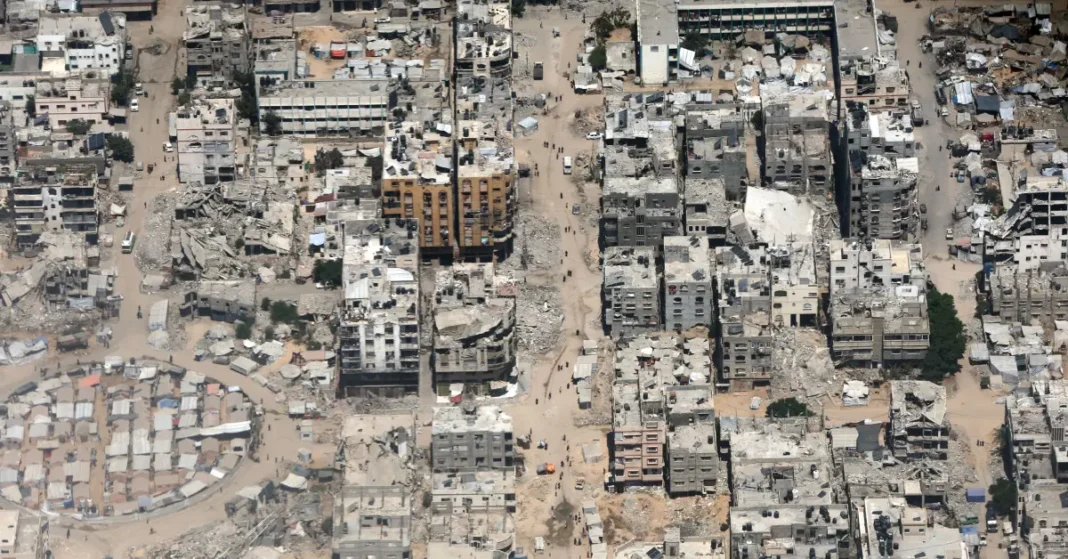
Abdelatty also underscored the dire humanitarian toll of the war, describing conditions in Gaza as “beyond imagination.” International aid groups and the United Nations have repeatedly warned of famine and the collapse of basic services for the more than two million residents trapped in the besieged enclave.
Despite multiple rounds of talks, a lasting truce has so far remained elusive. However, mediators hope that the latest framework — which combines immediate humanitarian relief with phased negotiations toward a permanent ceasefire — could provide a realistic pathway to peace.