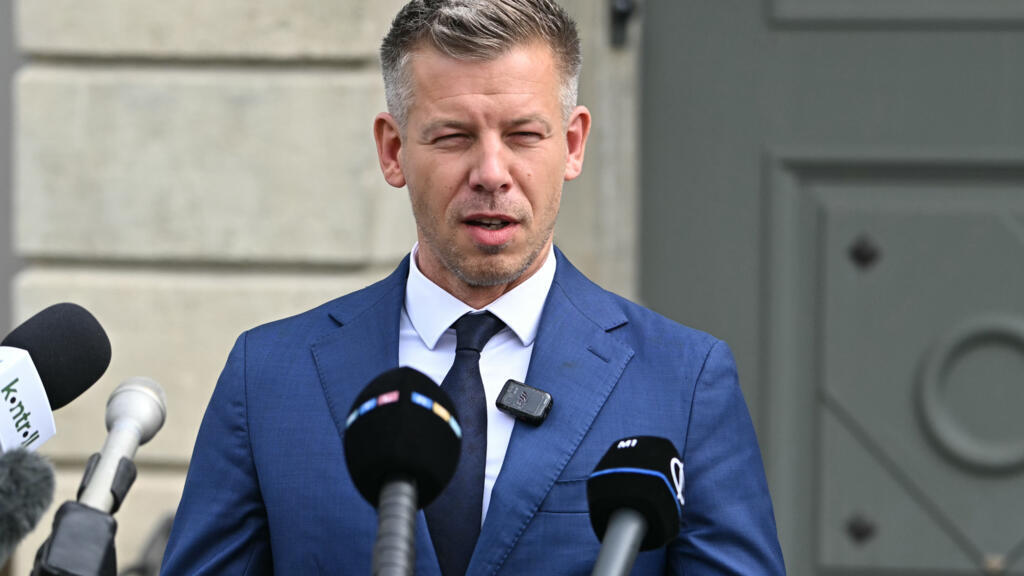
Hungary’s Prime Minister-elect Peter Magyar has stated that his government would detain Israeli Prime Minister Benjamin Netanyahu if he entered Hungarian territory, in compliance with an arrest warrant issued by the International Criminal Court.
Speaking to reporters, Magyar emphasized that Hungary, as a member of the ICC, is obligated to act on such warrants. “If a country is a member of the ICC and a person who is wanted by the ICC enters our territory, then that person must be taken into custody,” he said.
The statement marks a significant departure from the stance of former prime minister Viktor Orbán, who led Hungary for over 16 years. Under Orbán, Hungary declined to act on the ICC warrant during Netanyahu’s visit in April 2025.
Magyar, who secured a decisive election victory last week, has pledged to realign Hungary with international legal commitments. He also announced plans to halt the country’s intended withdrawal from the ICC, a move that had been expected to take effect in June.
Hungary’s leadership change is already influencing dynamics within the European Union. Under Orbán, Budapest had frequently blocked key decisions, including financial support for Ukraine and sanctions targeting Israeli settlers.
With Magyar signaling a more cooperative approach, EU officials anticipate progress on several stalled initiatives. These include a proposed €90 billion financial package for Ukraine, considered crucial for Kyiv’s ongoing war efforts.
Diplomats suggest that Hungary’s shift could also reopen discussions on EU-Israel relations and potential measures concerning Israeli settlements.
In parallel developments, Türkiye has reportedly prepared an indictment against 35 individuals, including Netanyahu, in connection with an armed intervention involving the Global Sumud Flotilla, which was carrying humanitarian aid to Gaza.
The charges outlined in the indictment include serious allegations such as crimes against humanity, genocide, torture, and obstruction of transport, with prosecutors seeking severe penalties.
Analysts view Magyar’s stance as a potential turning point in Hungary’s foreign policy, positioning the country as a more aligned and cooperative partner within the EU.
The shift could not only reshape Budapest’s diplomatic posture but also influence broader European responses to ongoing geopolitical and legal challenges involving Israel.