APS Peshawar attack: Pakistan remembers school massacre 10 years on
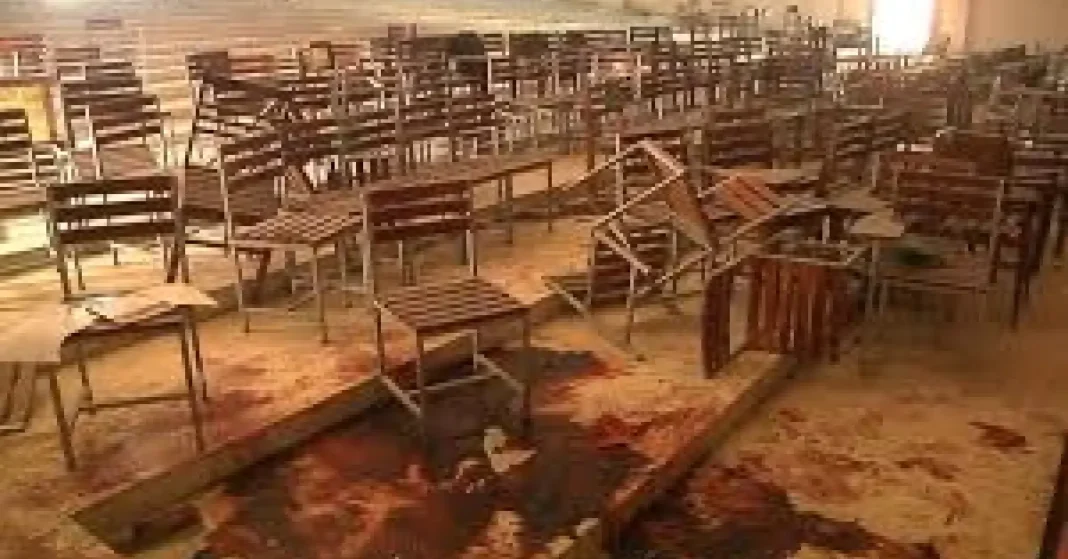
ISLAMABAD: Pakistan is marking the APS Peshawar attack anniversary on December 16, ten years after one of the deadliest terrorist assaults in the country’s history, when militants stormed the Army Public School in Peshawar and killed 147 people, including 122 schoolchildren.
The attack, carried out in 2014 by militants of the banned Tehreek-e-Taliban Pakistan (TTP), shocked the nation and drew global condemnation. The school, located near a military installation, primarily catered to the children of army personnel.
According to official accounts, the attackers scaled the school’s walls and opened indiscriminate fire inside classrooms, targeting students and teachers alike. Security forces responded swiftly, killing all six terrorists during the operation, while nine security personnel, including two officers, sustained injuries.
Among the victims was Khaula, the youngest casualty and the only female student killed in the attack. She had arrived at the school to enroll in Montessori on the morning of the massacre.
In the days following the attack, a nationwide crackdown was launched. Authorities arrested 12 individuals involved in planning the assault. Six key perpetrators were awarded death sentences, five of which were carried out, while others faced prolonged detention and investigation.
Beyond the immediate loss of life, the APS tragedy left lasting psychological scars. A study published in the Pakistan Journal of Medical Sciences revealed that more than half of the surviving students later developed symptoms of post-traumatic stress disorder (PTSD), despite undergoing months of counselling and rehabilitation.
The study found that PTSD affected multiple aspects of survivors’ lives, including academic performance, social relationships, family interactions, emotional wellbeing, and religious practices.
A judicial commission formed to investigate the incident criticised the school’s security arrangements, noting a lack of adequate guards and poor deployment despite credible threats. The commission also revealed that some local residents had assisted the attackers.
Following the APS massacre, Pakistan’s civil and military leadership announced the 20-point National Action Plan (NAP), a decisive counterterrorism framework that included the formation of military courts for swift trials of terrorists and the removal of the moratorium on the death penalty.
Ten years on, the APS Peshawar attack anniversary remains a powerful reminder of the human cost of extremism. As the country honours the memory of the victims, the tragedy continues to shape Pakistan’s national resolve against terrorism and violent extremism.