The Commission of the European Union (EU) has recently announced its plans to strengthen the monitoring of visa-free travel regimes within the bloc. This decision comes in response to the growing need to address challenges related to migration and security concerns. The Commission aims to enhance oversight and present a comprehensive report that will serve as a basis for a legislative proposal amending the visa suspension mechanism.
Recognizing the Benefits and Challenges of Visa-Free Travel
The Commission acknowledges that visa-free travel provides significant social, economic, and cultural benefits to both EU Member States and third countries. However, recent years have shown that such arrangements can also give rise to migration and security challenges. Insufficient alignment with the EU’s visa policy has the potential to turn visa-free countries into transit hubs for irregular entries into the bloc.
Addressing Irregular Arrivals and Security Risks
The Western Balkans region has experienced a high number of arrivals from nationals of countries that do not require a visa, resulting in an increase in irregular entries into the EU. The Commission has engaged in extensive discussions with Western Balkan partners, identifying investor citizenship schemes operated by visa-free non-EU countries as a source of security risks. In light of these challenges, the Commission aims to reassess existing rules governing the monitoring of visa-free regimes and the suspension of visa exemptions.
Revising the Visa Suspension Mechanism
To effectively address these challenges and mitigate risks, the Commission plans to revise the current rules regarding the monitoring of visa-free regimes and the visa exemption suspension. This may involve introducing new grounds for suspension to address emerging risks and adjusting thresholds for triggering the mechanism. Additionally, the Commission aims to strengthen monitoring and reporting provisions and enhance the flexibility of the suspension procedure.
Building a Strong United Partnership
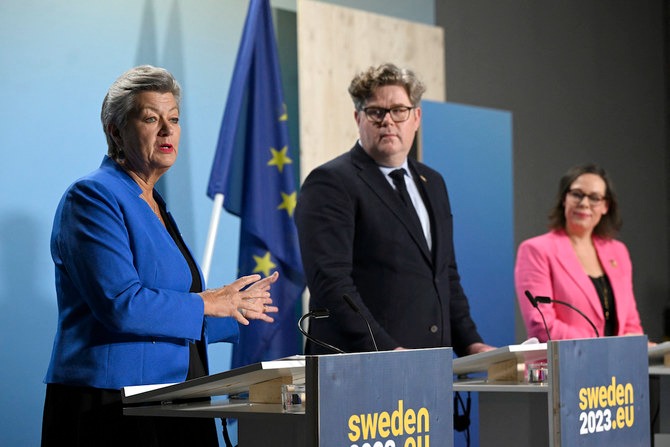
The EU views its visa policy as closely intertwined with its migration management. Commissioner for Home Affairs Ylva Johansson emphasizes that aligning visa-free policies with neighboring countries is essential for fostering a strong united partnership with these countries. By improving the visa policy, the EU aims to positively impact its migration management and create a foundation for robust cooperation with neighboring regions.
Future Steps and Proposal Presentation
The Commission will engage in discussions with the European Parliament and the Council of the EU to strengthen the visa policy toolbox through a revised Visa Suspension Mechanism. It plans to present a proposal outlining the revision in the autumn of this year. The proposed changes aim to address emerging risks, reinforce monitoring and reporting provisions, and provide greater flexibility in the visa exemption suspension process.
Current State of Visa-Free Regimes
Currently, the EU has visa-free travel arrangements with a total of 61 non-EU countries. Of these, 25 countries have visa waiver agreements, while eight countries have obtained visa exemptions through successful completion of visa liberalization dialogues. Additionally, the EU has recently granted visa exemption to Kosovo. This decision comes in response to the growing need to address challenges related to migration and security concerns.
Read more: 8 Affordable European Vacation Destinations
Recognizing the need to address migration and security concerns, the EU Commission has taken significant steps to strengthen the monitoring of visa-free travel regimes within the bloc. By reassessing existing rules and proposing revisions to the Visa Suspension Mechanism, the EU aims to enhance oversight and mitigate risks associated with visa-free arrangements. This initiative aligns with the EU’s goal of fostering a strong united partnership with neighboring countries and improving migration management. As discussions progress and a proposal is presented, the EU strives to create a more secure and efficient visa policy framework for the benefit of all member states.