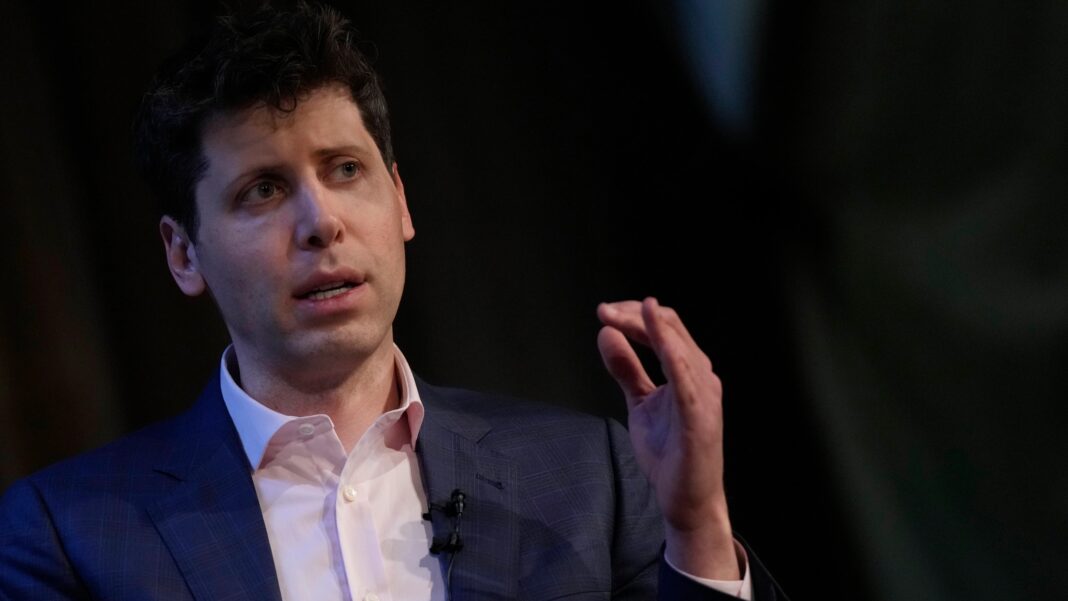
OpenAI’s CEO, Sam Altman, has recently taken steps to alleviate concerns about job losses resulting from advancements in artificial intelligence (AI). With the rise of AI technologies, there has been speculation about the potential displacement of human workers and the future of the job market. Altman seeks to reassure the public that AI will not lead to the wholesale destruction of employment sectors through automation. In his efforts to calm fears and provide clarity, Altman emphasizes the role of AI as a tool rather than a threat to human employment.
Addressing the Concerns
Altman firmly believes that the idea of AI progressing to a point where humans are rendered purposeless or unemployed does not resonate with him. He dismisses the notion that AI will completely replace human workers and highlights the potential for AI technologies, such as OpenAI’s ChatGPT bot, to augment human capabilities. Rather than eliminating jobs, Altman compares ChatGPT’s integration into the media industry to providing journalists with a multitude of assistants to aid them in research and idea generation.
The Success of OpenAI
OpenAI’s ChatGPT has gained significant attention for its ability to generate essays, poems, and conversations from minimal prompts. The technology’s versatility has attracted investments from prominent companies like Microsoft, which now incorporates OpenAI’s technology into its products. Altman acknowledges the success and impact of ChatGPT, noting its utilization by politicians for speechwriting and its capability to pass challenging exams. However, he also expresses the exhaustion that comes with such widespread attention and hopes for a more tranquil future.
Altman’s Global Influence
As an emerging star in Silicon Valley, Altman has been welcomed by leaders worldwide. His global tour to engage with national leaders and influential figures has allowed him to address concerns, showcase OpenAI’s capabilities, and build relationships. However, Altman faced criticism and controversy when his remarks about OpenAI potentially leaving the European Union due to excessive regulations led to annoyance within the EU. Altman clarified that the headlines misinterpreted his statements, reiterating OpenAI’s commitment to remaining in the EU and expressing the possibility of opening an office in Europe in the future.
The Mission of OpenAI
Amidst controversies and debates, Altman emphasizes the mission of OpenAI: to maximize the benefits of AI and Artificial General Intelligence (AGI) for society. AGI refers to the future state where machines can perform a wide range of tasks rather than being limited to a specific function. While definitions of AGI vary, Altman proposes that AGI is achieved when machines can make significant scientific breakthroughs, such as solving fundamental theories of physics. This focus on societal benefits and scientific progress drives OpenAI’s endeavors.
Addressing Transparency Concerns
OpenAI has faced criticism for not publishing the sources used to train its models. Altman acknowledges this concern but emphasizes that the critical factor is whether the models exhibit racial bias. He believes that the focus should be on evaluating the model’s performance on racial bias tests rather than disclosing the sources. Altman points out that the latest model, GPT-4, has shown surprising non-bias in its results, underscoring OpenAI’s commitment to addressing biases and ensuring fairness.
Read more: OpenAI provides $100,000 grants to solicit proposals on the governance of AI
Looking Ahead
Altman’s efforts to allay fears about job losses resulting from AI technology and his emphasis on AI as a tool to enhance human capabilities aim to provide reassurance and clarity. As AI continues to advance, Altman strives to ensure that it is harnessed for the betterment of society without causing unnecessary disruptions to the workforce. OpenAI’s mission, driven by societal benefits and scientific progress, will guide their future endeavors as they continue to develop and refine AI technologies.