India Cuts Utilities for Pakistan Diplomats Amid Escalating Bilateral Tensions
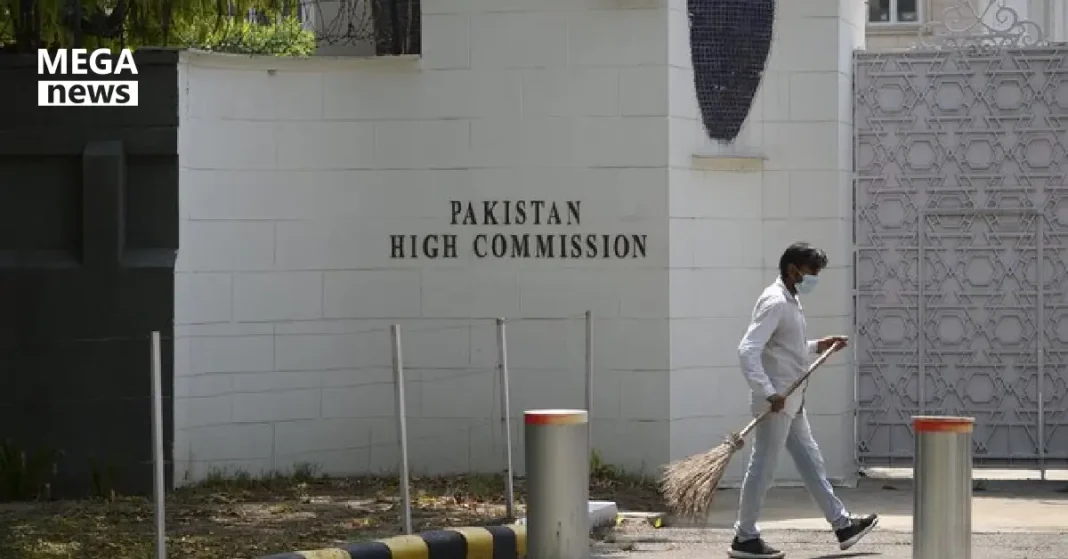
NEW DELHI – The already strained diplomatic relations between India and Pakistan have taken a new turn after Indian authorities reportedly cut electricity, water, and gas supplies to Pakistani diplomats and their families stationed in New Delhi. The move, which has been described by Islamabad as a clear violation of international norms, has drawn swift condemnation and heightened fears of a fresh diplomatic standoff between the two nuclear-armed nations.
Reports indicate that the utility disruptions began late on Sunday, affecting both the Pakistan High Commission and the residential quarters of senior Pakistani diplomats. While India’s Ministry of External Affairs has not issued an official statement, sources within New Delhi suggest the decision was linked to growing dissatisfaction with what they describe as “non-cooperative behavior” and “activities beyond diplomatic norms” by Pakistani officials.
This is not the first time diplomatic facilities between the two nations have been targeted. Similar tensions have been seen in the past, particularly during periods of political or military escalation. However, the current situation comes at a time when relations are already tense over cross-border issues, the situation in Kashmir, and competing regional alliances. The move is being viewed as a calculated measure to apply pressure on Pakistan, with some suggesting it may also be a response to unconfirmed reports of similar disruptions faced by Indian diplomats in Islamabad earlier this month.
Islamabad has reacted strongly to the development. Pakistan’s Ministry of Foreign Affairs summoned India’s acting envoy in Islamabad and lodged a formal protest, calling the utility cuts a blatant violation of the Vienna Convention on Diplomatic Relations (1961), which guarantees the protection and functioning of diplomatic missions. The statement from the Ministry warned that Pakistan reserves the right to take proportionate countermeasures, signaling that reciprocal action could follow.
International reaction has been swift. China, a strategic partner of Pakistan, has urged both sides to maintain mutual respect and adhere to international law. The United States has called for restraint and encouraged dialogue, while United Nations diplomats have expressed concern that such actions could further damage already fragile communication channels between the two countries.
Experts believe the incident could have significant implications. The halting of basic utilities for diplomats is more than an inconvenience; it is a symbolic message that underlines the deep mistrust between India and Pakistan. Analysts warn that the move could lead to retaliatory measures, potentially freezing any ongoing backchannel talks and undermining prospects for future cooperation. With both countries facing internal and external political pressures, the standoff over diplomatic facilities could quickly spiral into a larger confrontation.
Public opinion remains deeply divided. Many in India have supported the move as a justified response to Pakistan’s alleged provocations, while in Pakistan, the decision has been met with outrage, with commentators accusing India of resorting to undiplomatic and coercive tactics. On social media, the incident has sparked intense debate, with hashtags calling for either strong retaliation or renewed diplomatic engagement.
The next steps in this developing story will likely hinge on whether behind-the-scenes negotiations can restore the disrupted services and prevent further escalation. If no resolution is reached, the diplomatic fallout could be severe, potentially triggering new rounds of restrictions and sanctions that would further strain the already fragile ties between the two neighbors. For now, the cutting of utilities to Pakistani diplomats stands as a stark reminder of how fragile India-Pakistan relations remain, and how quickly symbolic acts can escalate into serious diplomatic disputes.
READ MORE: Pakistan Issues Cybersecurity Advisory Amid Surge in Cyberattacks Targeting Key Institutions