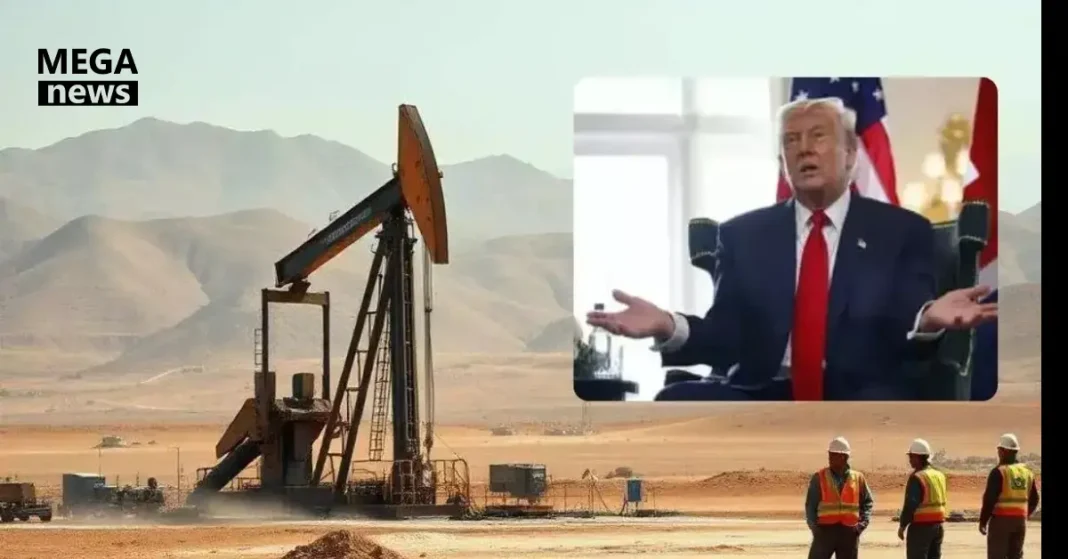
What if Pakistan becomes a major oil power?
ISLAMABAD: Imagine waking up to headlines declaring “Pakistan Discovers 50 Billion Barrels of Oil”. In an instant, the nation’s economic narrative would shift from debt crises and IMF bailouts to the possibility of energy-fueled prosperity. The question “What if Pakistan becomes a major oil power?” has long lingered in policy circles, but recent Pakistan massive oil reserves reports have made it a hotter topic than ever.
The Economic Transformation
If Pakistan controlled reserves on par with global oil giants, the GDP could skyrocket. Economists project that a 2–3 million barrel per day production capacity could bring in over $100 billion annually. This influx could slash the trade deficit, stabilize the rupee, and eliminate reliance on foreign loans. The energy import bill — one of the biggest drains on Pakistan’s economy — would vanish overnight.
Such wealth could fund infrastructure projects rivaling China’s Belt and Road investments, modernize ports like Gwadar, and dramatically improve public services. A sovereign wealth fund, modeled after Norway or the UAE, could secure future generations against market volatility.
The Geopolitical Shift
Becoming an oil power would not just change Pakistan’s economy — it would rewrite its role in global politics. Major oil powers like Saudi Arabia and Qatar have used energy leverage to gain diplomatic influence, mediate conflicts, and attract strategic alliances. Pakistan could find itself courted by energy-hungry nations, while also attracting competition and pressure from regional powers like India and Iran.
This shift could mirror scenarios already seen in global oil politics and Pakistan’s role, where control over resources draws both investment and political tension. Pakistan might join OPEC or form new energy alliances, giving it a stronger voice on the world stage.
READ MORE: Pakistan massive oil reserves: Game-changer or just another dream?
The Risks and the “Resource Curse”
History shows that oil wealth can be a double-edged sword. Countries like Nigeria and Venezuela offer cautionary tales of corruption, inequality, and economic collapse when resource management fails. Without strong institutions, Pakistan could fall victim to the “resource curse” — where sudden wealth undermines governance, fuels elite capture, and erodes democratic accountability.
Already, energy experts warn that Pakistan’s refining and export infrastructure would need billions in immediate investment. Mismanagement here could leave oil wealth untapped or sold at unfavorable terms, just as seen in past energy security challenges in Pakistan.
Environmental & Climate Pressures
The timing of such a discovery would also be critical. The world is moving toward renewable energy, with the EU and major economies setting deadlines to phase out fossil fuels. Pakistan, while enjoying a short-term economic windfall, could face global criticism for expanding oil production. Climate advocates may push for limits, while international financiers could hesitate to back fossil fuel projects.
Balancing oil wealth with renewable investments — perhaps dedicating a portion of revenues to solar, wind, and hydro projects — could shield Pakistan from future energy shocks.
Winners and Losers
If oil wealth is well-managed, winners could include the general population, exporters, and the manufacturing sector, as cheaper energy reduces costs. Losers could include traditional exporters like textiles if the rupee appreciates sharply, making other exports less competitive — a phenomenon known as “Dutch Disease.”
The Final Question
Ultimately, the outcome of what if Pakistan becomes a major oil power depends not on the volume of reserves, but on whether Pakistan’s leadership can ensure transparency, invest in infrastructure, and shield the economy from overdependence on oil. Done right, the nation could transition from a struggling borrower to a regional powerhouse. Done wrong, it could become just another cautionary tale in the annals of resource-rich nations.