Punjab to introduce new local government system
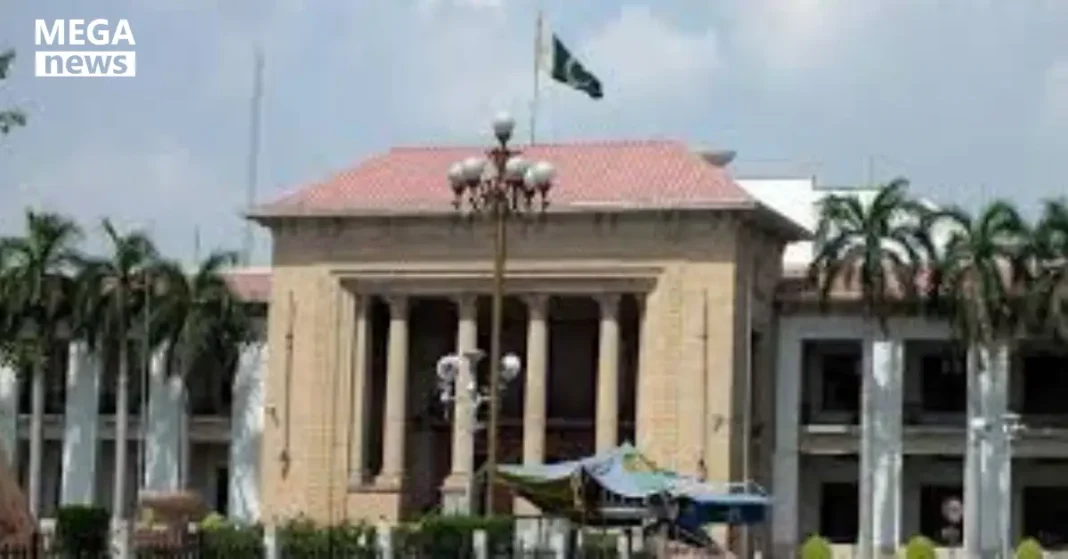
LAHORE: The Punjab Assembly’s Standing Committee on Local Government has approved the Local Government Bill 2025, setting the stage for a major transformation in the province’s governance structure, ARY News reported. The new system will redraw constituency boundaries for the upcoming local government elections, expected in December 2025, with Deputy Commissioners working alongside the Election Commission to carry out the delimitation process.
The Local Government Bill 2025 proposes a comprehensive governance model, introducing Union Councils, Tehsil Councils, Town Councils, Municipal Corporations, and Municipal Committees. These newly structured bodies will have powers to collect local taxes, initiate development schemes, and improve essential public services. The legislation also calls for the creation of district-level authorities tasked with overseeing critical services such as sewage systems and clean drinking water facilities, alongside the establishment of a Finance Commission to ensure the fair distribution of resources.
One of the most notable changes in the bill involves leadership at the district committee level. While the initial draft suggested Deputy Commissioners as heads, the amended version now places elected representatives in the lead role, with DCs serving as co-chairpersons. The bill has undergone clause-by-clause scrutiny in the committee and will soon be presented in the Punjab Assembly for final passage before receiving the Governor’s approval.
Separately, a treasury member, Amjad Ali Javed, has tabled legislation aimed at making mother tongue education compulsory across Punjab. The proposed law seeks to include Punjabi, Seraiki, and other local languages as core subjects at the primary level in schools and Madaris to preserve cultural heritage. It further suggests that the language spoken in a specific district be officially designated through a gazette notification. Lawmakers say this initiative will help ensure that the next generation maintains a strong connection with their linguistic and cultural roots.
READ MORE: Pakistan Iran Trade to Hit $10 Billion: A New Era of Economic Cooperation