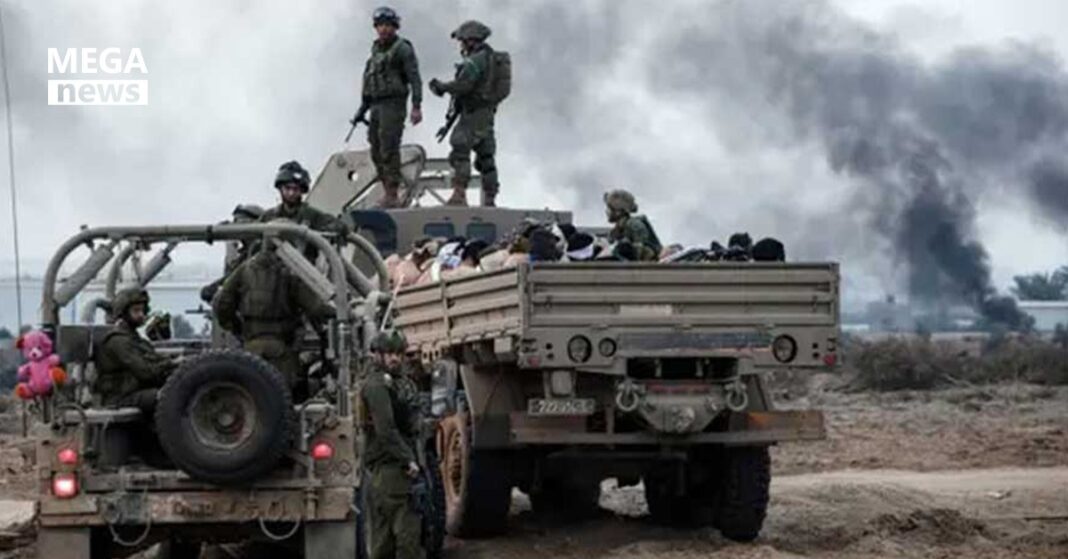
Hamas Seeks Ceasefire Guarantees as Israel Intensifies Gaza Attacks
In the midst of relentless Israeli bombardment, Hamas is now demanding concrete guarantees that any proposed U.S.-backed ceasefire would culminate in the complete end of the war, not merely a temporary truce. The group’s leadership relayed this stance to mediators, warning that they will not agree without assurances that the ceasefire leads to efforts to terminate hostilities permanently .
On Thursday, Gaza’s health authorities reported at least 59 Palestinians killed in a single day, including victims struck in a school sheltering displaced civilians and others near aid distribution centers—underscoring the devastating human cost even as negotiations intensify .
This diplomatic push has gained momentum following President Trump’s announcement that Israel had accepted conditions for a 60-day ceasefire proposal, crafted with the help of Qatar and Egypt. The proposal includes a phased hostage-prisoner exchange, with ten living Israeli hostages and 18 remains exchanged for Palestinian detainees—while immediate humanitarian aid and a path toward a permanent ceasefire would follow .
Israeli officials have confirmed progress and stated they expect a formal Hamas response by Friday. If it’s favorable, indirect talks involving Israeli delegates will proceed in Cairo or Doha.
Yet a significant obstacle remains: while Hamas is open to the truce, it insists the deal must go hand-in-hand with a permanent cessation of war and Israeli withdrawal—whereas Israel maintains the conflict cannot truly end while Hamas remains armed and in control of Gaza.
Why This Is a Critical Moment
- Humanitarian Impact: More than 57,000 Palestinians have been killed, with civilian infrastructure obliterated and the majority of Gaza’s population displaced.
- Hostage Dynamics: The deal hinges on a hostage exchange, a key sticking point. Around 50 Israeli hostages remain in Gaza, with about 20 known to be alive. Hamas has shown willingness to release hostages only if the war ends .
- International Diplomacy: Egypt and Qatar are working to secure U.S. and global guarantees of continued ceasefire talks leading to peace. Meanwhile, the U.S. and Israel are moving quickly—likely influenced by Netanyahu’s planned meeting with Trump in Washington.
- Ground Reality: Despite ceasefire momentum, Israeli airstrikes continue indiscriminately—undermining any mood for peace. Medical facilities and aid points are still under attack .
What Happens Next
- Hamas’s Response: Their reply is expected by Friday. Acceptance could pave the way for hostage negotiators, indirect diplomatic meetings, and a gradual humanitarian pause.
- Israeli Operations: Escalation may resume if Hamas refuses. Israeli leadership has vowed to “bring Hamas to an end” and warned of more extensive military operations if talks remain blocked .
- Global Pressure: The international community—including UN officials and human rights advocates—continues pushing for ceasefire, with rising calls for accountability amid mounting civilian casualties .
Final Analysis
Hamas’s insistence on clear guarantees that a ceasefire leads to ending the war brings crucial clarity—and tension—to current negotiations. The plans for a hostage exchange and temporary truce risk collapse unless both sides agree on what happens afterward. With lives at stake and a catastrophic humanitarian crisis unfolding, the next 48 hours—marked by Hamas’s response and U.S.-mediated diplomacy—could be decisive for Gaza’s fate.