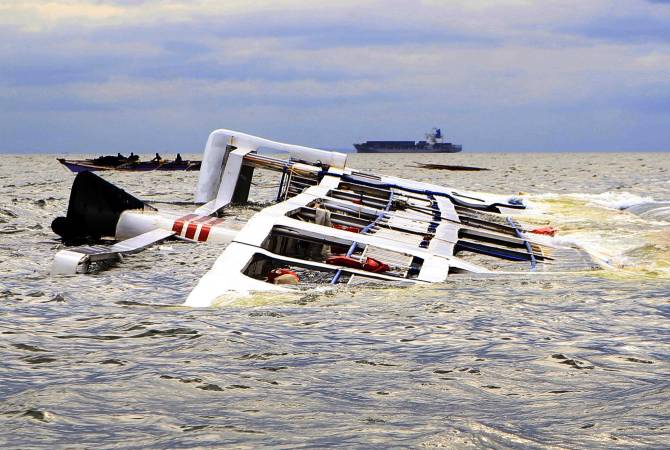
In a devastating incident, a boat carrying residents returning from a wedding ceremony capsized on the Niger River in northern Nigeria. The tragedy resulted in the loss of approximately 100 lives, as authorities and local residents intensified efforts to search for survivors. The incident took place in the state of Kwara, near Niger state, leaving the nation in mourning and prompting a closer examination of the safety measures surrounding water transportation.
A Fateful Journey Ends in Disaster
The ill-fated boat capsized during the early hours of Monday, according to police spokesman Okasanmi Ajayi. The passengers aboard the vessel were mostly women and children who had attended an overnight wedding ceremony in the village of Egboti in Niger state. Tragically, it remains uncertain whether any survivors were able to escape the sinking boat. Usman Ibrahim, a resident familiar with the incident, revealed that the passengers were meant to disembark and continue their journey back home via bicycles upon reaching their respective communities.
The Grim Toll of the Accident
The timing of the boat’s capsizing played a significant role in the high number of casualties. As the incident occurred around 3 a.m., the victims, unaware of the disaster, faced a greater challenge in finding help or raising an alarm. Consequently, many of the passengers drowned before assistance could reach them. Despite ongoing search efforts, some bodies still remain unaccounted for. The Niger River, one of Nigeria’s largest waterways, continues to be scoured by officials and local residents in the hope of recovering any missing victims.

Safety Challenges in Nigeria’s Water Transport
River transport and market trade are prevalent in Nigeria, primarily due to the inadequate road infrastructure in certain regions. The Niger River, serving as a crucial local trade route, witnesses significant boat activity. However, accidents like the recent capsizing highlight the urgent need for enhanced safety measures in water transportation. In Nigeria’s remote communities, where locally constructed boats are commonly used for travel, incidents of overloading and the use of poorly maintained vessels contribute to the majority of accidents.
Recurring Tragedies
Tragically, the boat capsizing in northern Nigeria is not an isolated incident but rather part of a distressing pattern. Last month, a boat accident in Sokoto state claimed the lives of 15 children after their vessel capsized in a river. Similarly, in 2022, 76 individuals lost their lives when a boat overturned in a flood-swollen river in Anambra state. These incidents underscore the pressing need for comprehensive safety regulations and heightened awareness to prevent such tragedies from recurring.
Lessons for the Future
The boat accident in northern Nigeria serves as a somber reminder of the importance of prioritizing safety in water transport. To prevent similar incidents in the future, authorities must enforce strict regulations regarding boat capacity and maintenance. Furthermore, education and awareness campaigns can play a crucial role in educating communities about safe travel practices, including the importance of life jackets and adhering to recommended passenger limits.
Read more: Dolphin Police Officer in Lahore Killed by PUBG Addict
The boat capsizing in northern Nigeria has plunged the nation into mourning as approximately 100 lives were tragically lost. The incident serves as a wake-up call for authorities to reassess and strengthen safety measures in water transportation. By addressing issues such as overloading and poorly maintained boats, and by educating communities on safe travel practices, Nigeria can strive towards a future where such devastating accidents become a thing of the past. The collective efforts of government agencies, local communities, and relevant stakeholders are needed to ensure the safety and well-being of those who rely on water transport in the nation.