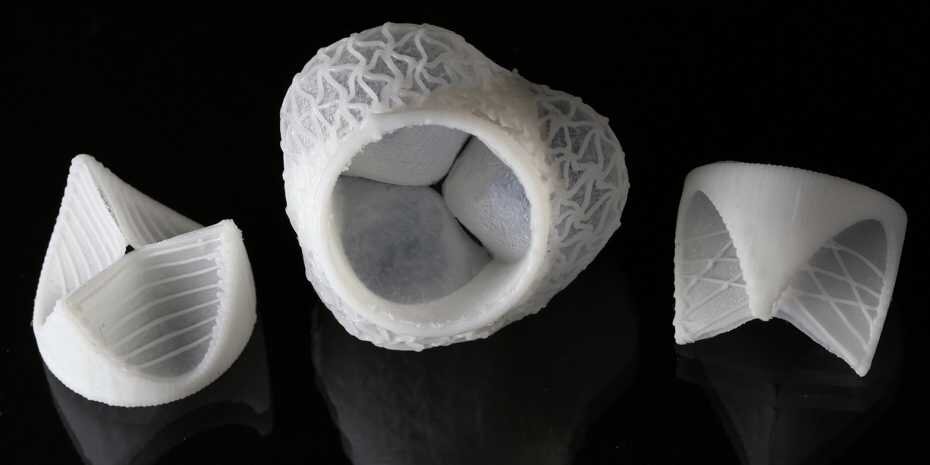
Cambridge, MA – In a remarkable breakthrough that could transform the field of heart valve technology, researchers at Harvard University have successfully created a synthetic heart valve using 3D printing. This groundbreaking innovation allows for the production of a fully functional valve in less than 10 minutes, a process that previously took months. With promising results from experiments conducted on sheep, this revolutionary valve has the potential to revolutionize the production of heart valves, particularly benefiting pediatric patients who often require multiple surgeries.
Unprecedented Speed and Efficiency:
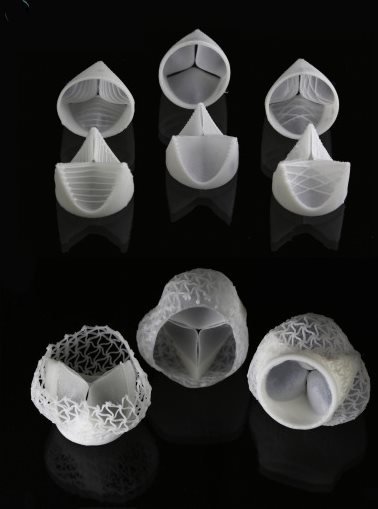
Traditional methods of producing synthetic heart valves involve time-consuming and complex manufacturing processes. However, this newly developed valve, created through 3D printing, has dramatically reduced the production time to under 10 minutes. By utilizing advanced techniques known as focused rotary jet spinning, the valve is constructed with a network of nanofibers that closely mimic the growth patterns observed in natural heart valves. This breakthrough in speed and efficiency holds great promise for patients in need of timely interventions.
Promising Experimental Results:
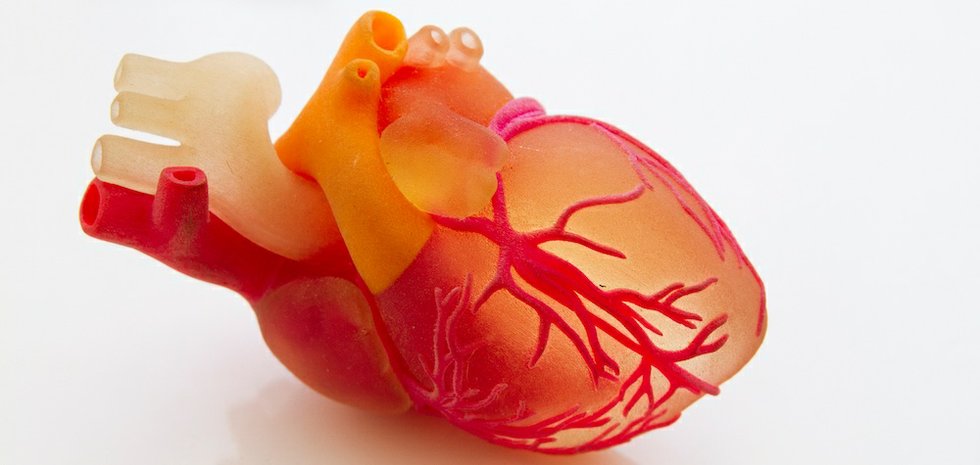
To test the functionality and reliability of the synthetic heart valve, researchers conducted experiments on sheep. The prototype valve proved highly successful in regulating blood flow for a period of one hour. This accomplishment is an important milestone towards the eventual implementation of this innovative technology in clinical settings. The positive outcomes observed in animal trials give hope to researchers and clinicians that this novel approach to heart valve production will pave the way for improved patient outcomes in the future.
A Game-Changer for Pediatric Patients:
One particular group of patients set to benefit immensely from this groundbreaking development is pediatric patients. Children born with congenital heart defects often require multiple surgeries throughout their lives, with heart valve replacements being a common procedure. The ability to rapidly produce synthetic heart valves using 3D printing technology provides a much-needed solution for pediatric patients, who can now benefit from more adaptable options tailored to their specific needs. This advancement has the potential to significantly reduce the need for repeated surgeries and improve overall quality of life for these young patients.
Read More: Harvard University Offering Free Online Courses for Pakistani Students
Revolutionizing Heart Valve Production:
The creation of a synthetic heart valve through 3D printing marks a major milestone in the field of cardiovascular medicine. The rapid and efficient production process enables clinicians to respond promptly to patients’ needs, reducing wait times and potential complications. Additionally, the use of nanofibers that replicate the natural growth patterns of heart valves holds promise for improved biocompatibility and long-term durability. As this innovative technology progresses, it could revolutionize heart valve production, benefiting patients of all ages and leading to enhanced treatment options for a wide range of cardiovascular conditions.
Looking Ahead:
While the prototype synthetic heart valve developed by Harvard researchers has shown remarkable promise, further studies and clinical trials will be necessary to validate its safety and efficacy. The research team is optimistic about the future prospects of this groundbreaking technology and aims to refine the valve design, conduct additional animal testing, and ultimately move towards human trials. The potential impact of this innovation on patient care is significant, and the medical community eagerly awaits further advancements in this pioneering field of heart valve technology.