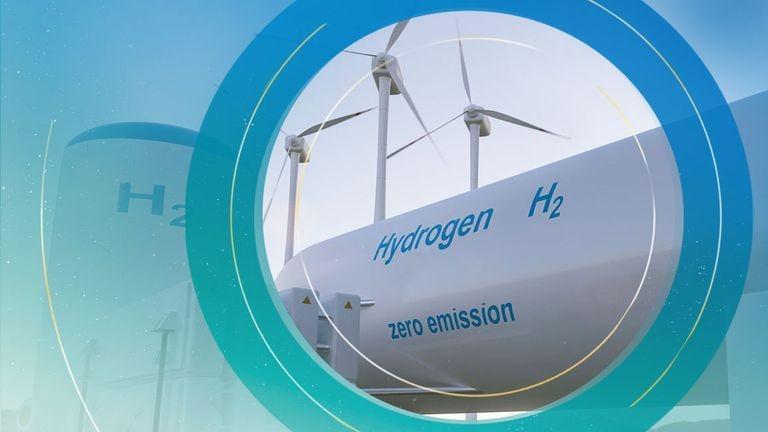
Govt of Pakistan is preparing a roadmap to introduce Green Hydrogen in the country to replace imported fossil fuels that cost billions of dollars in foreign reserves while contributing to Global Greenhouse Emissions. The Petroleum Division has shared a concept note in a letter to multiple organizations, including the World Bank, seeking support from relevant ministries to develop a strategy to identify key economic sectors suitable for hydrogen consumption, feasibility studies to assess the viability of hydrogen as an energy source, and the potential demand for it.
The adoption of Green Hydrogen in Pakistan can help the country in saving precious foreign reserves and fulfilling its Nationally Determined Contributions (NDCs) to the international community regarding climate change. However, it would require significant investment in R&D by the international community to develop hydrogen in Pakistan. The ministry has also proposed public-private partnerships for carrying out research and development by providing incentives to private stakeholders.
Pakistan is one of the most vulnerable countries in the world to volatile changes in climate, and the energy sector contributes more than 70 percent to Pakistan’s greenhouse gas emissions. The adoption of hydrogen can help Pakistan in solving multiple crises at once, but significant hurdles need to be overcome to achieve this.
Hydrogen is among one of the most innovative and environmentally reliable energy sources, already contributing 2.5 percent to global energy consumption. It has the potential to aid Pakistan in saving foreign reserves and fulfilling its climate commitments. However, it is essential to ensure the viability of hydrogen as an energy source, assess the cost of production and distribution, and identify potential demand for it.
The adoption of Green Hydrogen in Pakistan can also offer opportunities for public-private partnerships, which can carry out research and development while providing incentives to private stakeholders. Such partnerships can play a crucial role in developing hydrogen infrastructure, enabling the transition to a cleaner and more sustainable energy source.
Benefits of Green Hydrogen Fuel
- Clean and Environmentally Friendly: Green hydrogen fuel is produced by electrolyzing water using renewable energy sources like wind and solar power, resulting in zero greenhouse gas emissions. It is a clean and sustainable energy source that can reduce carbon footprint and help combat climate change.
- Cost-Effective: While the initial investment in hydrogen infrastructure can be high, the cost of producing green hydrogen is expected to decrease over time. Once the infrastructure is in place, the cost of producing and using hydrogen fuel can be competitive with fossil fuels, leading to long-term cost savings.
- Versatility: Green hydrogen can be used in a variety of applications, from powering vehicles to providing electricity for homes and businesses. It can also be used as a feedstock in industrial processes like chemical production and steelmaking.
- Energy Security: Countries that rely heavily on imported fossil fuels can benefit from green hydrogen as a domestic energy source. Producing green hydrogen locally reduces dependence on foreign oil and gas and improves energy security.
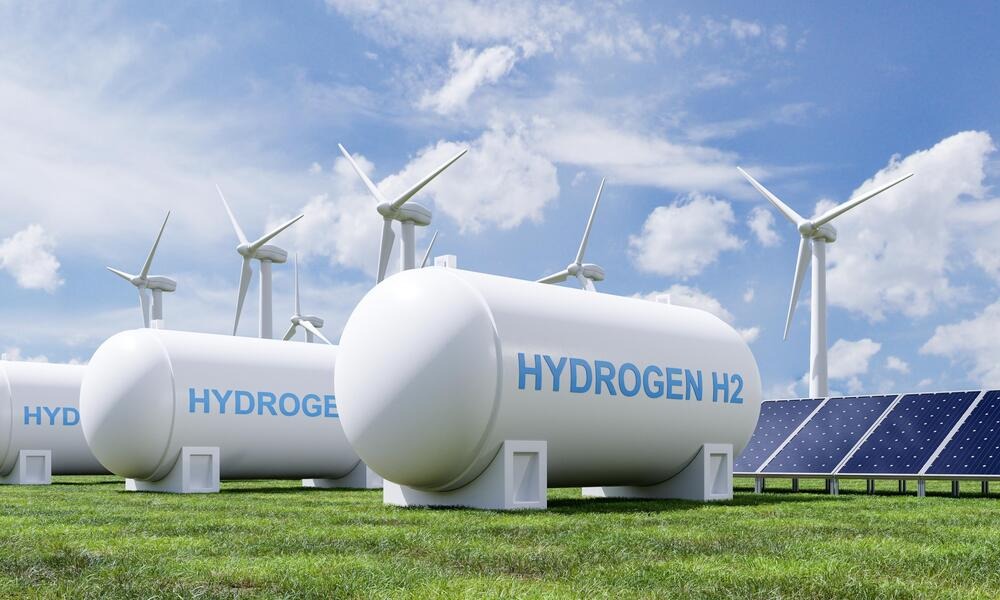
Green Hydrogen can also promote sustainable economic growth, job creation, and reduce dependency on imported fossil fuels. However, the successful adoption of hydrogen requires a supportive policy environment, enabling infrastructure, and investment in research and development. The government must work closely with relevant ministries, the private sector, and international organizations to overcome the hurdles and create a pathway towards a sustainable energy future.
Read more: Pakistani consumers turn to Iranian diesel as fuel prices skyrocket
In conclusion, the adoption of Green Hydrogen in Pakistan has the potential to address multiple crises, including reducing greenhouse gas emissions, saving foreign reserves, and promoting sustainable economic growth. However, it would require significant investment in research and development by the international community, identifying key economic sectors for hydrogen consumption, assessing the viability of hydrogen as an energy source, and public-private partnerships to develop hydrogen infrastructure.