Responsible of extinction
The extinction crisis that the world is facing today is a cause for concern for many scientists who fear that it may threaten life on Earth. The United Nations report in 2019 revealed that as many as one million plant and animal species are at risk of extinction. Humans are the leading cause of the decline in animal and plant life. Agricultural activities and human development are changing habitats of animals at unprecedented rates. Direct exploitation of organisms, climate change, pollution, and the spread of invasive organisms are also responsible for this loss.
United Nations report on extinction:
There are varying estimates of the number of animals that are going extinct every day. According to a United Nations report, the world is currently facing a dire situation with numerous species going extinct every day. The report estimates that by 2050, up to 50 percent of all species could be facing extinction. Harvard biologist, E.O. Wilson, warns that the rate of extinction is increasing at an alarming rate, with an estimated 30,000 species being driven to extinction each year, equivalent to 82 species per day.
This highlights the urgent need for action to be taken to preserve the biodiversity of our planet and prevent further loss of species. This is significantly higher than Earth’s normal rate of extinction prior to human activity.
Challenges in Measuring Extinction Rate
Pinpointing the exact rate of extinction is difficult because scientists have only catalogued a fraction of Earth’s flora and fauna. While over 2.161 million species were identified and listed in the IUCN Red List in 2022, scientists estimate that there are well over 8 million species alive today. The process of showing that a species has disappeared forever is costly, time-consuming, and labor-intensive. Scientists exercise caution in categorizing a species as “extinct” to avoid making premature conclusions.
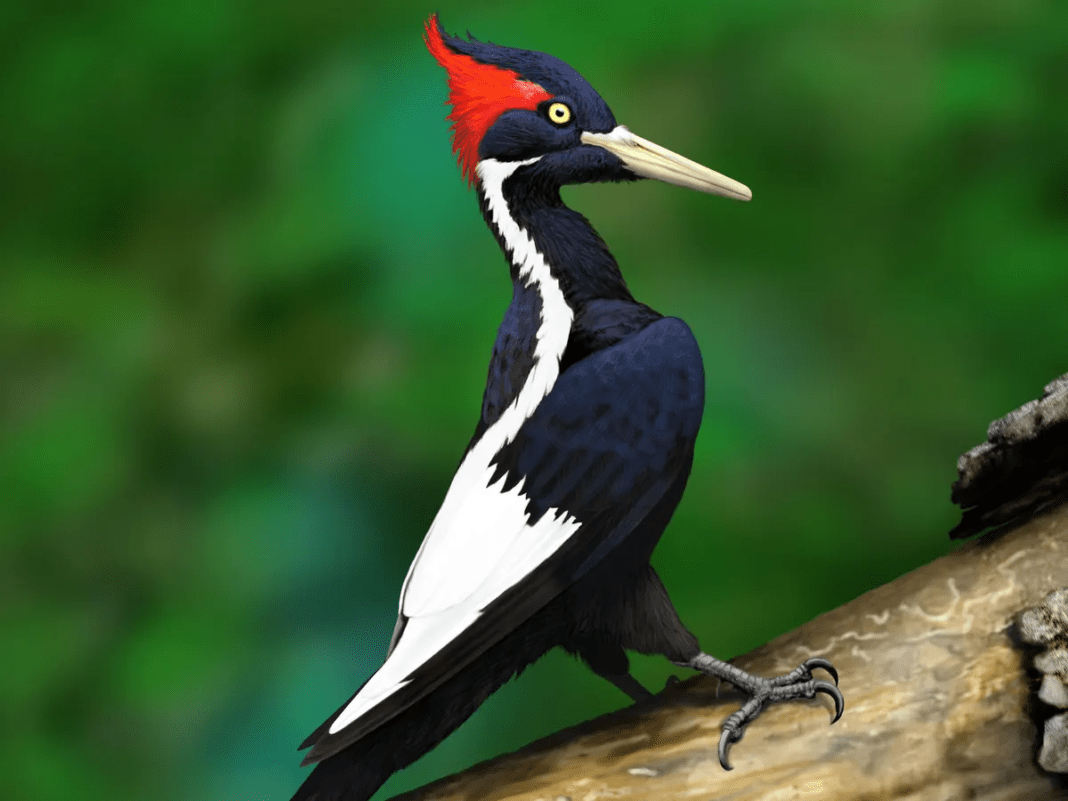
Ivory-billed Woodpecker, Scioto Madtom, and Freshwater Mussels’ Species near to Extinct
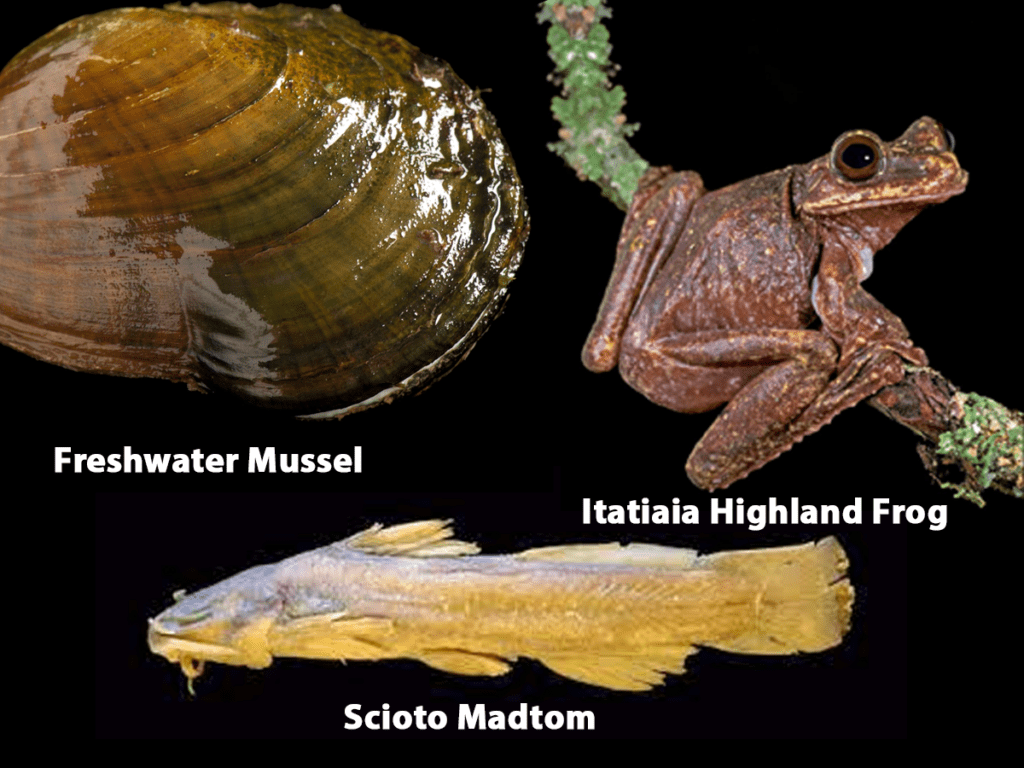
Several species have been declared extinct in recent years, such as the Itatiaia highland frog and the U.S. Fish and Wildlife Service’s 23 wildlife species. However, there are many animals close to extinction, such as the ivory-billed woodpecker, the Scioto madtom, and eight species of freshwater mussels.
With more than 500,000 land animals not having enough natural habitats to sustain their long-term survival, determining which animals are going extinct is a daunting task. More than 40% of the species of amphibians are at risk of becoming extinct.
It is difficult to determine what animals are going extinct because there is no standard process for categorizing extinct species. A species must be surveyed extensively before it can be classified as extinct. For example, the Itatiaia highland frog is listed as critically endangered, although it hasn’t been seen in the wild since 2004. However, it has not earned the “extinct” designation yet.
Read also: Exploring the Top Vegetarian Starters Options You Don’t Want to Miss
The oceans are facing a crisis, as the temperature of the world’s seas is increasing and marine life is suffering. Climate change is affecting the world’s oceans and impacting marine biodiversity. Overfishing, pollution, and habitat destruction are also contributing factors to the decline of marine life. The consequences of these issues are already being felt in terms of lost jobs and diminished economic growth, as well as damage to the overall health of the oceans.
The effects of climate change, including ocean acidification and warming, are exacerbating the challenges for marine life. Coral reefs, for example, are crucial habitats for many marine species, but they are under threat due to the combination of rising temperatures and ocean acidification.
Additionally, the oceans are facing a mass extinction event, with up to 30-50% of all species facing extinction by 2050. However, scientists caution that it is difficult to pinpoint the exact rate of extinction because many species remain undiscovered or uncatalogued. Despite the challenges, there are efforts underway to address the crisis, such as marine protected areas, sustainable fishing practices, and reducing carbon emissions. It is crucial that these efforts continue and that individuals and governments around the world take action to protect the world’s oceans and the life within them.