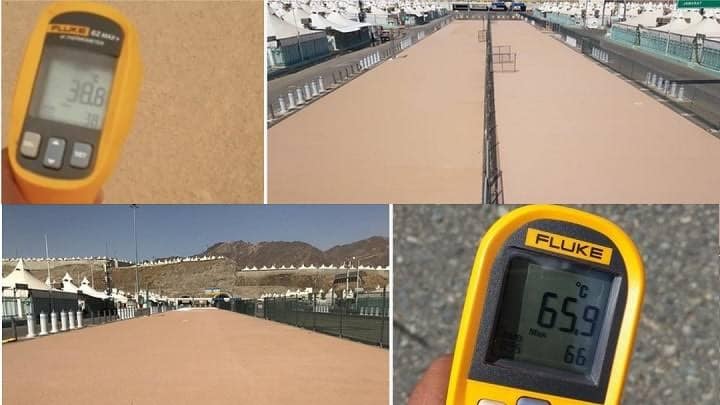
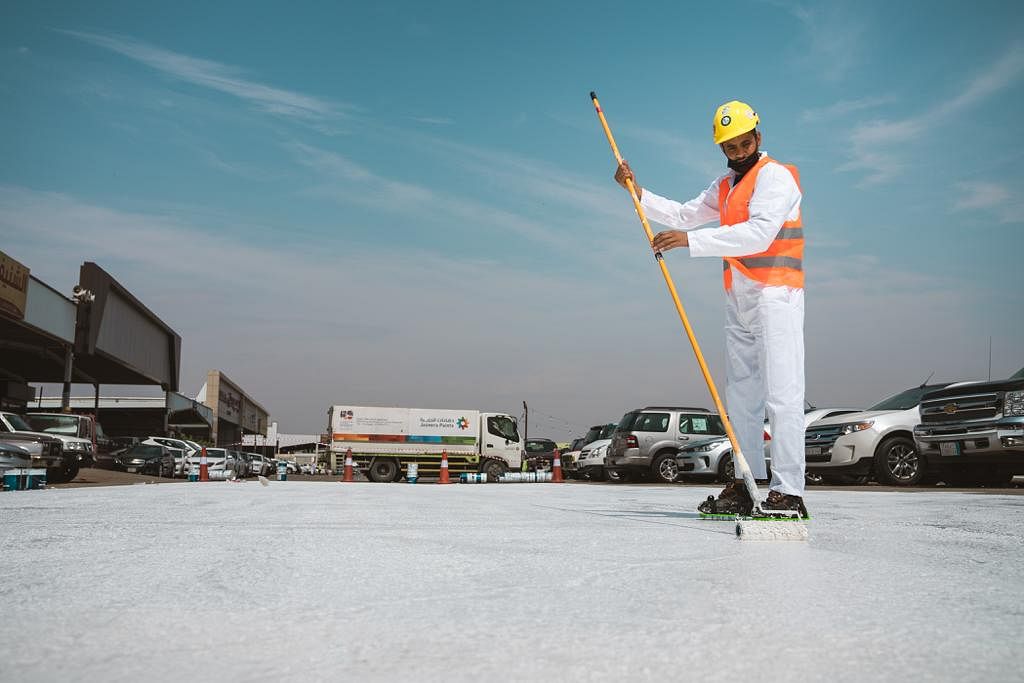
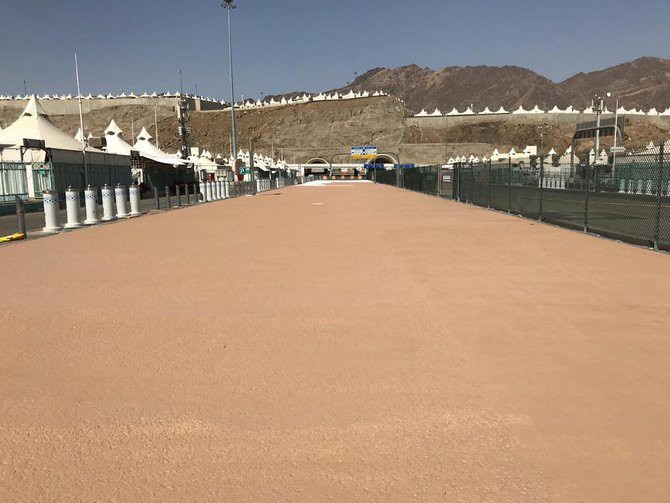
In a remarkable initiative to improve the experience of pilgrims visiting the holy sites in Makkah, Saudi Arabia is undertaking a groundbreaking project to apply a special heat-blocking coating. Inspired by a successful research study on cooling roads, authorities aim to mitigate the scorching temperatures that often prevail during the annual Hajj pilgrimage. Having previously tested the technology in the Riyadh region, the project is a collaborative effort led by the General Authority for Roads, the Ministry of Municipal, Rural Affairs and Housing, and other relevant organizations.
Beating the Heat: Cooling the Roads in Makkah’s Holy Sites
During the hot summer season, the holy sites in Makkah can become unbearably hot, with temperatures reaching up to a staggering 70 degrees Celsius. Furthermore, the roads, which are exposed to the scorching sun throughout the day, tend to retain and release this heat during the night, resulting in a phenomenon known as the “heat island” effect. This effect leads to heightened energy consumption, as well as increased air pollution, exacerbating the challenges faced by both residents and pilgrims.
Inspired by the successful implementation of a heat-reducing technology on roads in the Riyadh region, the authorities have embarked on a mission to tackle the heat island effect in Makkah’s holy sites. By employing innovative materials capable of absorbing less sunlight and maintaining lower surface temperatures compared to traditional roads, this ambitious project aims to create a more comfortable environment for both residents and pilgrims.
Enhancing the Pilgrims’ Experience:
With the primary focus on reducing temperatures in neighborhoods and residential areas, this heat-blocking coating project holds great potential to positively impact the lives of residents and visitors alike. By minimizing the surface temperature of roads and public areas, the authorities aim to lessen the energy required for cooling buildings, leading to a decrease in energy consumption and the associated carbon footprint.
Moreover, the implementation of this advanced technology seeks to mitigate the effects of climate change, fostering a more sustainable and resilient environment in the holy sites. The anticipated reduction in air pollution resulting from decreased energy consumption will contribute to cleaner air, benefiting both residents and pilgrims.
Paving the Way for a More Comfortable Environment:
One of the key objectives of the heat-blocking coating project is to create a more pleasant experience for pilgrims at the holy sites. Waiting areas and locations where people gather are expected to witness a significant improvement in comfort, thanks to the reduced surface temperatures. By utilizing materials specifically designed to absorb less sunlight and generate lower heat levels, the authorities aim to transform these areas into havens of respite from the intense heat.
Read More: Europe Emerges as the Fastest-Warming Continent Escalating Heat Extremes
A Cooler and Sustainable Future:
The visionary initiative undertaken by Saudi Arabia’s authorities to apply a special heat-blocking coating at the holy sites in Makkah demonstrates their commitment to enhancing the experience of pilgrims. By harnessing the findings from the successful road-cooling experiment, the project aims to create a more comfortable environment, reduce energy consumption, and combat the heat island effect. With its potential to lessen the impact of climate change, this innovative technology sets a remarkable precedent for creating sustainable and resilient urban areas.
As the project progresses, it holds the promise of not only offering relief from extreme temperatures during the annual Hajj pilgrimage but also providing lasting benefits to the residents and the environment in and around the holy sites.