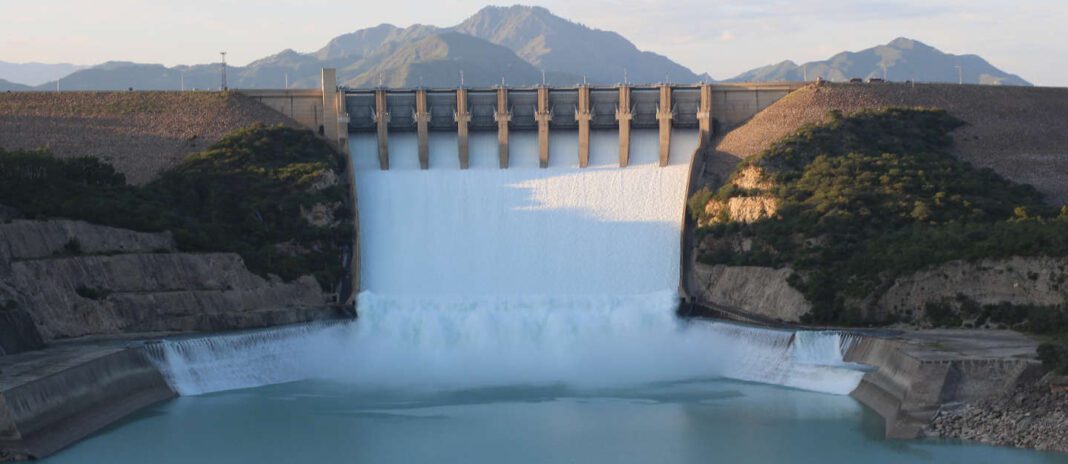
The Indus River basin, a sprawling region stretching from the majestic Himalaya Mountains to the coastal shores of the Arabian Sea in Pakistan, is home to the Tarbela Dam. As a crucial part of the Indus Basin Project, established by a water treaty between India and Pakistan in 1960, this dam plays a significant role in securing Pakistan’s access to water resources independently. While the Tarbela Dam has facilitated effective water storage for agricultural purposes, its construction has raised concerns about environmental impacts, particularly in the Indus river delta.
Unveiling the World’s Largest Earth and Rock Fill Dam:
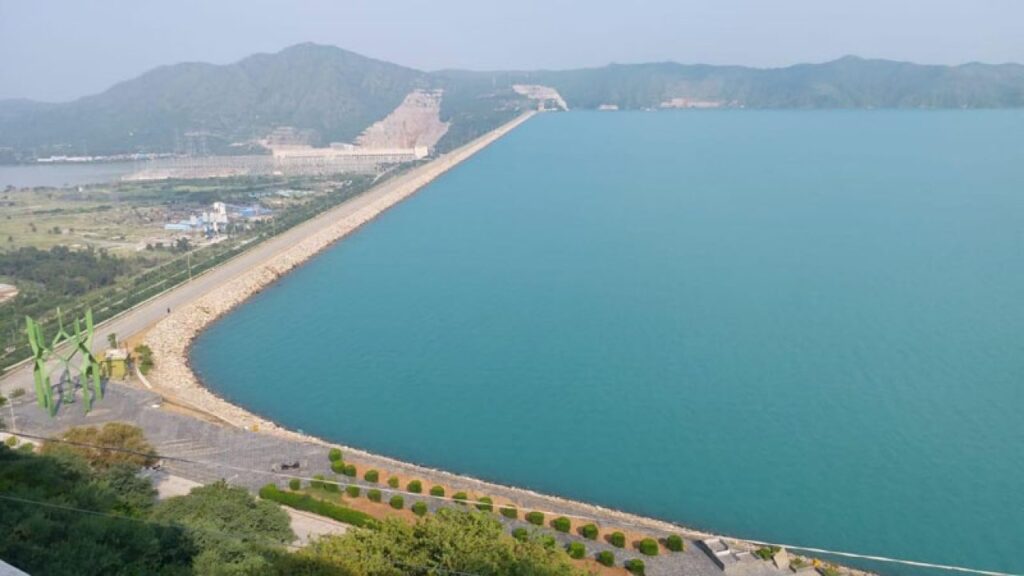
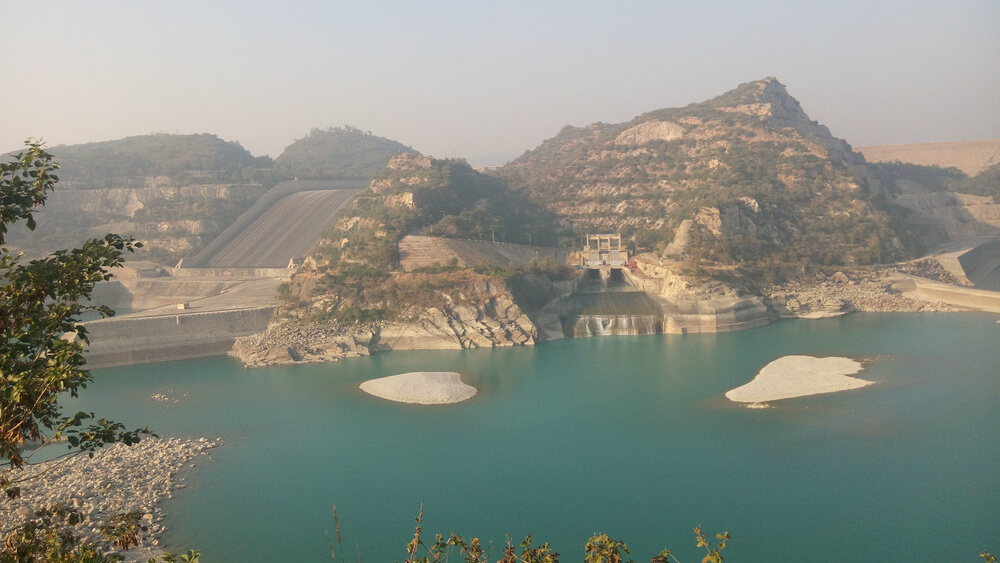
Completed in 1977, the Tarbela Dam stands tall as the world’s largest earth and rock fill dam. Towering 147 meters above the riverbed, it impressively harnesses the turquoise waters of the Indus River. The dam’s construction primarily aimed at water storage rather than power generation, and its massive volume signifies its capacity to hold substantial amounts of water.
A Mixed Blessing for Water Management:
The Tarbela Dam has proven to be an essential component of Pakistan’s water management system, enabling the effective utilization of water resources for agricultural and other purposes. By storing water, the dam supports irrigation projects, ensuring a steady supply of water for crops in the region. This aspect has contributed to increased agricultural productivity, benefiting the livelihoods of many people who depend on farming.
Environmental Concerns and Impacts on the Indus River Delta:
Despite its contributions to water management, the Tarbela Dam’s construction has had adverse effects on the delicate ecosystem of the Indus river delta. The dam’s regulation of water flow has led to reduced flooding and diminished water flow downstream. This alteration has caused significant changes in the delta’s ecological balance.
The loss of mangrove stands, which serve as vital coastal protection and habitats for numerous species, is one of the unfortunate consequences. The decreased water flow has negatively impacted the growth and survival of mangroves, leaving coastal areas vulnerable to erosion and diminishing the delta’s resilience to natural disasters.
Furthermore, the alteration in water flow patterns has also affected certain fish species in the region. Reduced water flow and changes in sedimentation have led to a decline in fish populations, impacting the local fishing industry and traditional fishing communities.
Read More: Sindh Government Lifts Ban on Beach Visits as Cyclone Threat Subsides
Balancing Development and Environmental Preservation:
The complex relationship between large-scale infrastructure projects like the Tarbela Dam and their environmental consequences highlights the need for careful planning and mitigation measures. While the dam has brought significant benefits to Pakistan’s water management system, the negative impacts on the Indus river delta’s ecosystem cannot be ignored.
To address these concerns, ongoing efforts are being made to minimize the environmental impact of the Tarbela Dam. Ecosystem restoration initiatives, including mangrove reforestation and the establishment of fish sanctuaries, are being implemented to restore the balance in the delta region.
The Tarbela Dam stands as a symbol of Pakistan’s commitment to effectively manage water resources and provide for its agricultural needs. However, its construction has demonstrated the need for a holistic approach that considers both development and environmental preservation. By striking a delicate balance, future infrastructure projects can aim to minimize adverse effects while maximizing benefits, ensuring sustainable progress for the nation and the environment it relies upon.