
In the world of public health and disease surveillance, scientists are constantly monitoring and analyzing flu seasons across the globe. One particular phenomenon that has caught the attention of US scientists in recent years is the Australian flu season. Despite the geographic distance between the United States and Australia, the patterns and characteristics observed during the Australian flu season provide valuable insights for US public health officials and researchers. This article explores why US scientists are closely watching episodes of the Australian flu season and the benefits it brings to their work.
Early Warning System
The Australian flu season typically occurs a few months before the flu season in the United States. As such, it acts as an early warning system, providing valuable information about the strains of flu viruses circulating in the population and their potential impact. By analyzing the Australian flu season, US scientists can anticipate which strains may dominate in the upcoming US flu season, allowing public health officials to make informed decisions regarding vaccine formulation and distribution.
Novel Strains and Mutations
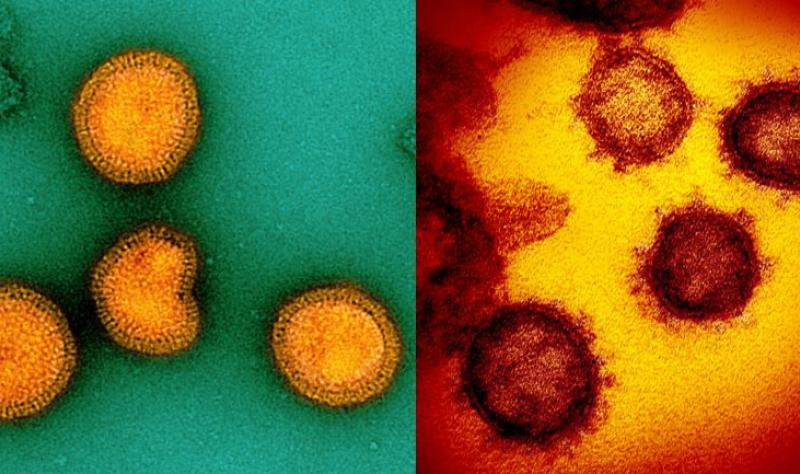
Flu viruses are notorious for their ability to mutate and evolve rapidly. By keeping a close eye on the Australian flu season, US scientists can identify any novel strains or mutations that may arise. This knowledge is crucial for vaccine manufacturers, as it helps them stay ahead of the ever-changing flu viruses. By understanding the characteristics of new strains, scientists can adapt vaccine formulations to ensure maximum effectiveness and protection against emerging threats.
Surveillance and Epidemiology
Flu surveillance is a critical component of public health efforts. Monitoring the Australian flu season helps US scientists assess the severity and impact of the flu on a global scale. By comparing the Australian data with their own, they can gain insights into the transmissibility and virulence of different flu strains. This information aids in the development of more accurate models for predicting the spread and impact of flu outbreaks, allowing for better preparedness and response strategies.
Lessons in Public Health Interventions
The Australian flu season also offers valuable lessons in public health interventions. By examining the strategies implemented by Australian authorities to mitigate the spread of the flu, US scientists can evaluate the effectiveness of various control measures, such as vaccination campaigns, public awareness initiatives, and social distancing measures. This knowledge helps refine and improve public health strategies in the United States, contributing to better preparedness for future flu seasons.

International Collaboration and Knowledge Sharing
Monitoring the Australian flu season facilitates international collaboration and knowledge sharing among scientists and public health officials. By actively engaging with their Australian counterparts, US scientists can exchange information, share research findings, and collaborate on studies related to flu prevention and control. This collaborative effort strengthens global surveillance networks and enhances the collective ability to respond to flu outbreaks effectively.
Read more: Quetta’s Government Hospitals Face Medication Shortages Amid Financial Crisis
The interest of US scientists in the Australian flu season is driven by the desire to stay one step ahead of the constantly evolving flu viruses. By closely monitoring the patterns, strains, and interventions observed in Australia, scientists in the United States gain valuable insights that help inform their public health strategies and preparations for the upcoming flu season. The global nature of infectious diseases necessitates international collaboration, and the monitoring of the Australian flu season serves as a prime example of how scientists work together to protect populations worldwide.