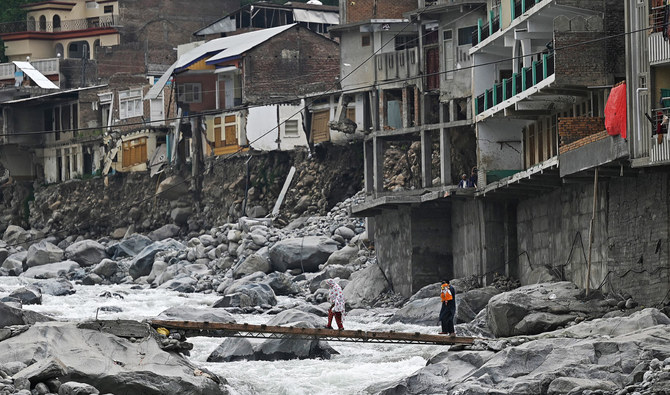
ISLAMABAD – In a significant move to strengthen state capacities and deliver essential services in Pakistan’s tribal districts, the World Bank’s Board of Executive Directors has approved a $200 million investment. The funds will be utilized to enhance climate-resilient rural infrastructure and provide basic services to the region. Additionally, the investment will aid in post-flood rehabilitation and reconstruction efforts following the devastating floods that struck the country in the summer of 2022. The initiative aligns with the Pakistani government’s commitment to building a climate-resilient Pakistan.
The Khyber Pakhtunkhwa Rural Investment and Institutional Support Project, representing the first phase of a multi-phase approach, aims to address development gaps in rural areas within the tribal districts of Khyber Pakhtunkhwa (KP). By bolstering state responsiveness and facilitating citizen-driven service delivery, this project intends to uplift the living standards of approximately 5.5 million people residing in some of the poorest regions of the country.
World Bank Country Director for Pakistan, Najy Benhassine, highlighted the project’s objectives, stating, “KPRIISP aims to extend public service delivery systems, invest in basic infrastructure such as water supply and sanitation, and boost agricultural productivity and livelihood opportunities. Additionally, it will support post-flood reconstruction and rehabilitation while strengthening resilience in KP’s newly-merged districts.” Benhassine emphasized the importance of addressing climate-related shocks and enhancing the region’s ability to resist the frequency and severity of extreme weather events, which are growing.
The investment will primarily focus on improving water supply and sanitation systems, rural roads, agriculture, and irrigation infrastructure. All developments will be designed to enhance climate resilience, ensuring sustainability in the face of environmental challenges. By investing in critical rural infrastructure, the project aims to uplift communities and provide them with better access to essential services.
Anna O’Donnell, the task team leader for the project, highlighted the community-centric approach adopted by the initiative. In addition to critical infrastructure investments, the project will allocate conditional grants to village councils. These funds will be utilized to address local infrastructure priorities based on community preferences and the specific needs of women. The project emphasizes participatory planning, budgeting, and monitoring, fostering social accountability systems within the communities. Furthermore, it aims to strengthen institutional capacity and provide necessary training to village councils, empowering them to better serve their communities.
The investment will bring significant benefits to the tribal districts, bridging the development gap and improving the overall quality of life. By extending public service delivery systems, rural households will have better access to basic amenities. The project’s investments in water supply and sanitation will contribute to improved health and hygiene, while investments in agriculture and irrigation will enhance productivity and create livelihood opportunities for rural communities.
The World Bank’s support in post-flood reconstruction and rehabilitation will enable the affected regions to recover and rebuild more resilient infrastructure. This approach acknowledges the importance of preparedness and adaptation in mitigating the impact of climate-related disasters. By strengthening the region’s ability to respond to such shocks, the project aims to minimize the long-term damage caused by extreme weather events.
Read More: Imran Khan Unveils Economic Plans to generate more dollars
The $200 million investment by the World Bank demonstrates its commitment to sustainable development in Pakistan. The project’s multi-phase approach ensures the continuity of efforts to uplift the tribal districts in Khyber Pakhtunkhwa. By prioritizing community involvement, the project fosters a sense of ownership and inclusivity, allowing local residents to actively participate in shaping their communities future.
As the Khyber Pakhtunkhwa Rural Investment and Institutional Support Project takes its initial steps, it holds the promise of a brighter, more resilient future for the tribal districts.
In conclusion, the World Bank’s approval of $200 million for climate-resilient infrastructure and basic services in the tribal districts of Khyber Pakhtunkhwa represents a significant step towards addressing development gaps in rural areas. The project will not only enhance access to essential services but also strengthen the region’s resilience to climate-related shocks. With a focus on community involvement, gender equality, and sustainability, the initiative holds the promise of improving the lives of millions and creating a more prosperous and resilient Pakistan.