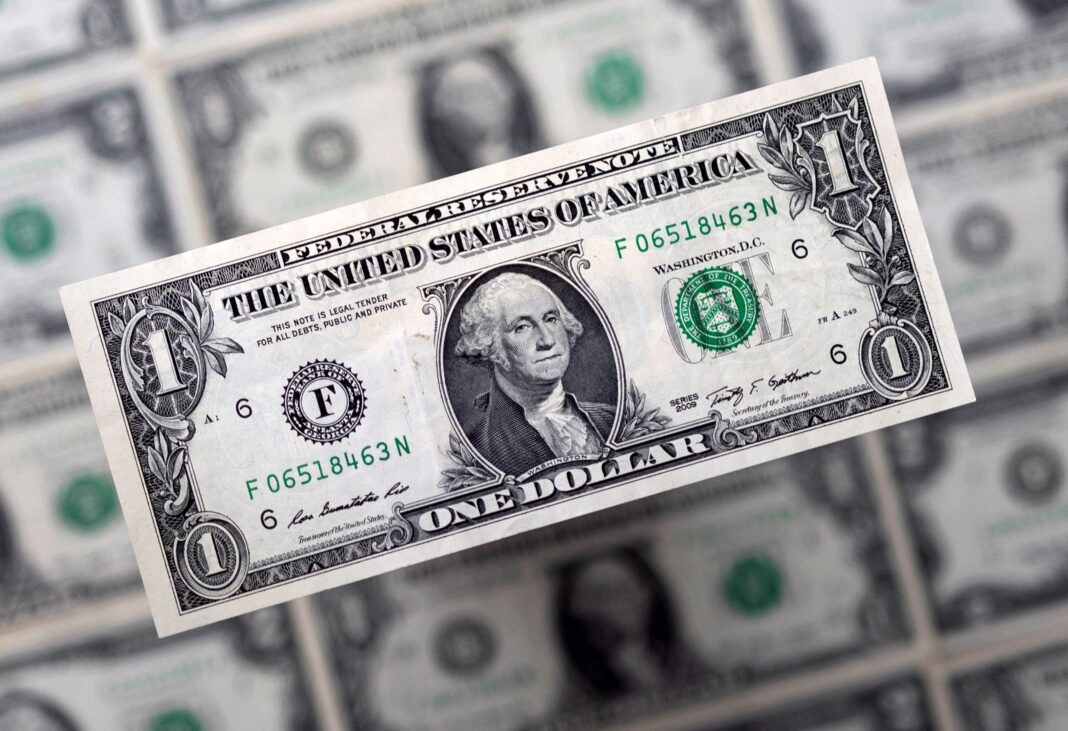
The USD to PKR exchange rate plays a crucial role in Pakistan’s economy, influencing various sectors such as trade, investments, and remittances. As of 13 June 2023, the interbank rate for the US Dollar to Pakistani Rupee stands at Rs. 287.97. This article will provide an overview of the current exchange rate and its implications for the Pakistani economy.
Interbank Rate vs. Open Market Rates
It is important to understand the distinction between the interbank rate and the open market rates. The interbank rate refers to the rate at which banks trade currencies with each other. On the other hand, open market rates are determined by banks or forex exchange companies and are slightly higher than the interbank rate.
Remittances and Exchange Rates
Remittances, which are a significant source of foreign currency inflows for Pakistan, are usually credited to customers’ accounts based on the interbank rate. This means that individuals receiving remittances from abroad will benefit from the favorable interbank exchange rate. However, it’s worth noting that outward transactions, such as buying foreign currency, are charged at open market rates. Banks typically buy foreign currency from customers at open market rates and sell it at interbank rates.
Implications for the Economy
The USD to PKR exchange rate has implications for various aspects of the Pakistani economy:
The exchange rate directly affects the cost of importing goods and services. A higher exchange rate can make imports more expensive, potentially leading to an increase in the prices of imported products. Conversely, a lower exchange rate can make exports more competitive, stimulating export-oriented industries.
Exchange rate fluctuations can impact inflation rates. If the value of the Pakistani Rupee depreciates significantly against the US Dollar, it can contribute to inflationary pressures as imported goods become costlier. This can potentially affect the purchasing power of consumers and overall price levels in the economy.
Exchange rate stability is crucial for attracting foreign direct investment (FDI). Investors consider exchange rate risks when making investment decisions. A stable exchange rate provides confidence to investors, while a volatile exchange rate can deter foreign investments.
Pakistan relies heavily on remittances from overseas Pakistanis. The exchange rate plays a vital role in determining the value of remittances in the local currency. A favorable exchange rate ensures that remittances contribute positively to the country’s foreign exchange reserves and support the economy.

Government Policies and Exchange Rate Management
The State Bank of Pakistan (SBP), as the country’s central bank, plays a key role in managing the exchange rate. It formulates and implements policies to ensure stability in the foreign exchange market. The SBP intervenes in the market by buying or selling foreign currency to influence the exchange rate.
Additionally, the government implements measures to promote exports and attract foreign investments, which indirectly impact the exchange rate. Policies aimed at improving the trade balance, such as export incentives or import restrictions, can influence the demand and supply of foreign currency, thus affecting the exchange rate.
Read more: Petroleum Tax Hike to Rs.60/liter Without Parliament Approval
The USD to PKR exchange rate is a crucial indicator of Pakistan’s economic health. As of 13 June 2023, the interbank rate stands at Rs. 287.97. While open market rates provided by banks or forex exchange companies may vary slightly, the interbank rate serves as a benchmark for incoming remittances. Understanding the dynamics of exchange rates and their implications for the economy is essential for businesses, investors, and policymakers alike. The government and the central bank play vital roles in managing the exchange rate to ensure stability and support the country’s economic growth.