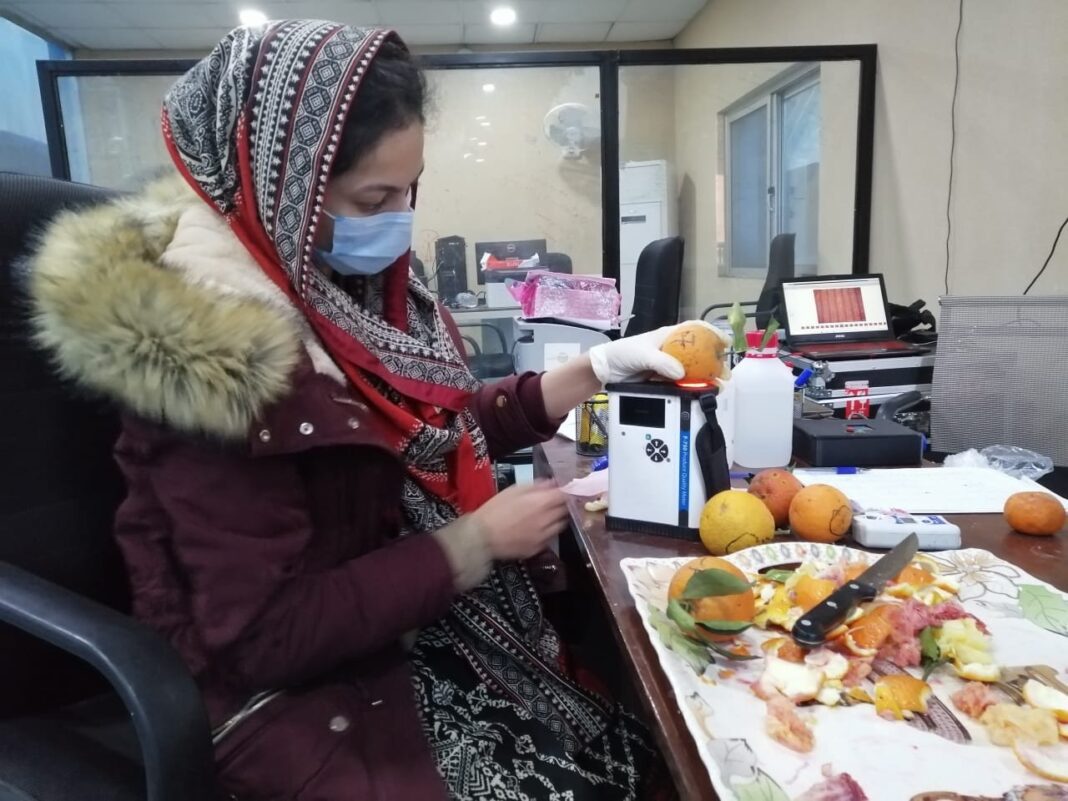
In a groundbreaking development, a team of Pakistani scientists has successfully developed an artificial intelligence(AI) method to accurately determine the sweetness of citrus fruits. This innovative approach has the potential to revolutionize the fruit industry by providing a reliable and efficient means of assessing fruit quality. The scientists’ work combines advanced machine learning techniques with a comprehensive dataset of fruit characteristics, enabling the AI model to predict sweetness levels with impressive accuracy. Let’s delve into the details of this remarkable achievement.
The Need for Sweetness Assessment in Citrus Fruits:
Citrus fruits, such as oranges, grapefruits, and lemons, are widely consumed and valued for their refreshing flavors. One of the key factors determining the quality of these fruits is their sweetness, which is primarily attributed to the sugar content. Traditionally, sweetness assessment has relied on manual tasting, which is subjective, time-consuming, and prone to errors. The development of an AI method for sweetness determination addresses these limitations and offers a more reliable and objective approach.
The Role of Artificial Intelligence:
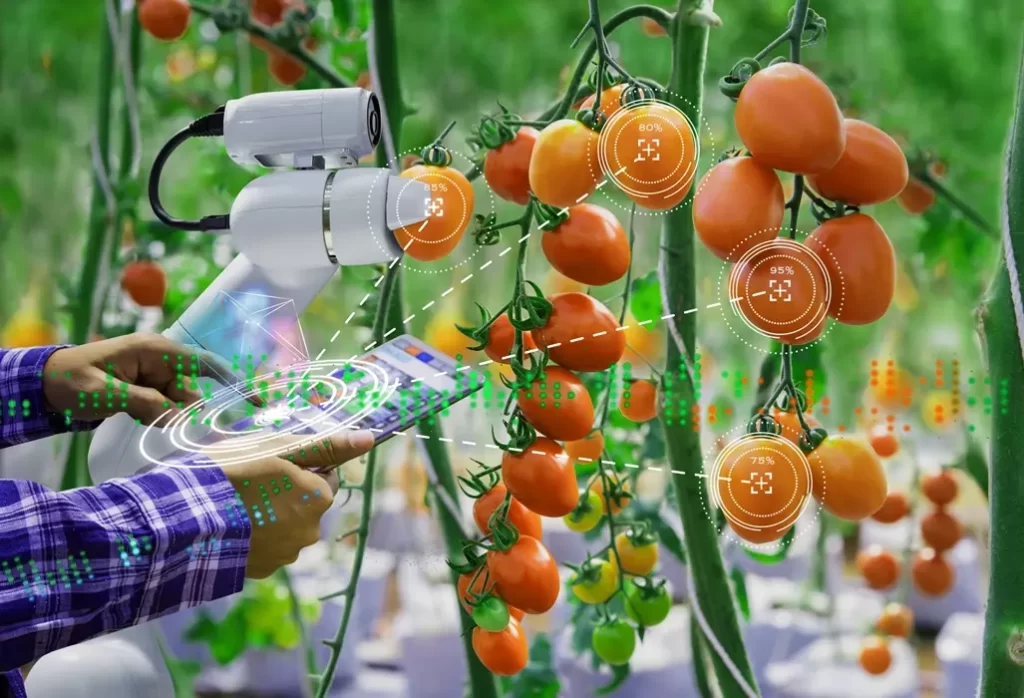
Artificial intelligence has emerged as a powerful tool across various industries, and agriculture is no exception. Leveraging the capabilities of AI, the Pakistani scientists employed advanced machine learning algorithms to train a model capable of predicting sweetness in citrus fruits. This AI-based approach allows for rapid and accurate assessments, enhancing productivity and facilitating informed decision-making in the fruit industry.
Creating a Comprehensive Dataset:
To train the AI model, the scientists collected a comprehensive dataset comprising various parameters related to citrus fruits. These parameters included size, weight, color, texture, and chemical composition, along with sensory evaluations of sweetness. By combining objective measurements and subjective assessments, the dataset provided a holistic view of fruit characteristics, enabling the AI model to learn the complex relationships between the inputs and sweetness levels.
Training the AI Model:
Using the collected dataset, the Pakistani scientists trained the AI model using state-of-the-art machine learning techniques. The model underwent an iterative process where it learned from the dataset, adjusting its internal parameters to optimize its ability to predict sweetness accurately. This training process involved exposing the AI model to a vast range of citrus fruit samples, enabling it to discern patterns and correlations between the input parameters and sweetness.
Achieving Remarkable Accuracy:
Following extensive training, the AI model demonstrated remarkable accuracy in predicting sweetness levels. In validation tests, it consistently matched or exceeded the accuracy of human sensory evaluations. This achievement highlights the potential of AI in surpassing human capabilities in certain domains, particularly when it comes to processing large volumes of data and detecting intricate patterns that may elude human perception.
Implications for the Fruit Industry:
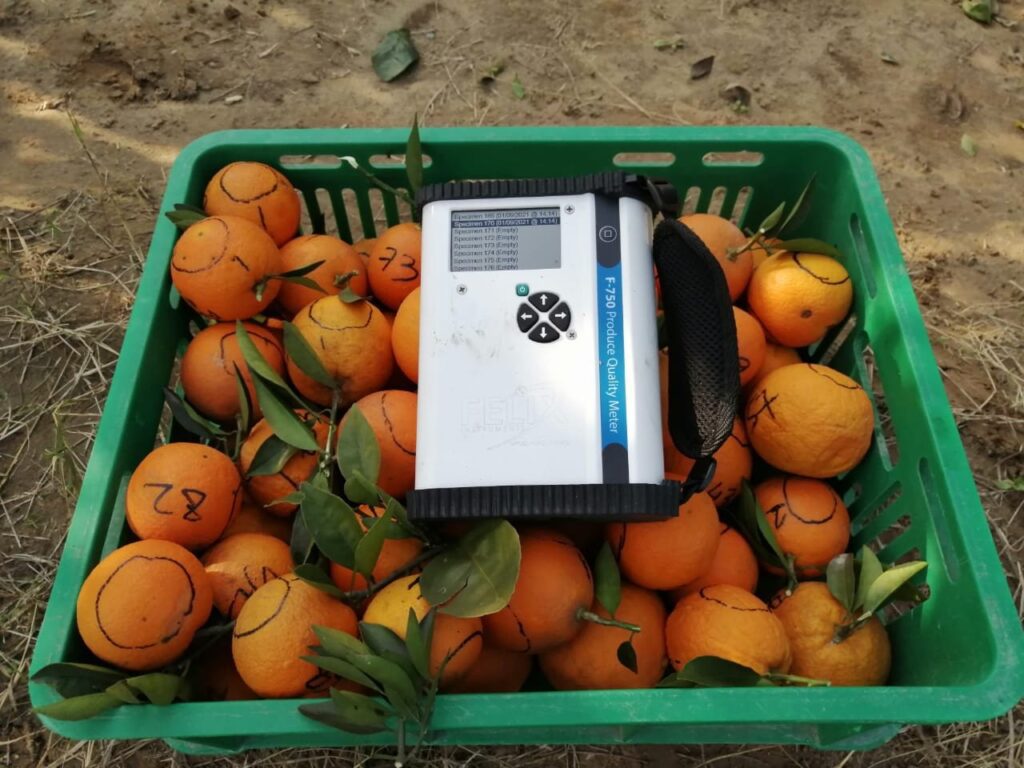
The development of an AI method for sweetness determination in citrus fruits holds significant implications for the fruit industry. Firstly, it provides fruit growers, distributors, and retailers with a rapid and reliable means of assessing fruit quality, aiding in decision-making regarding harvesting, sorting, and marketing. Secondly, the AI model can assist in optimizing the selection and breeding of citrus varieties for improved sweetness, ultimately enhancing consumer satisfaction and market demand.
Read More: Scientists Have Developed Material From Bacteria To Create Electricity Out Of Thin Air
Future Prospects and Challenges:
While the AI method developed by Pakistani scientists represents a major breakthrough, there are several avenues for future research and development. Expanding the dataset to include a wider range of citrus varieties and environmental conditions would enhance the model’s accuracy and applicability. Additionally, integrating real-time monitoring systems and remote sensing technologies could enable continuous assessment of fruit sweetness, facilitating proactive quality control throughout the supply chain.
The successful development of an AI method to determine citrus fruit sweetness by Pakistani scientists marks a significant milestone in the fruit industry. By harnessing the power of advanced machine learning algorithms and a comprehensive dataset, this innovative approach offers a more objective and efficient means of assessing fruit quality. As further advancements are made and the technology matures, AI-based methods could revolutionize not only the citrus fruit industry but also the broader agricultural sector, driving increased productivity, sustainability, and consumer satisfaction.