In a significant move to address the growing threat of floods, the World Bank has approved a substantial sum of $213 million to fund flood protection measures in vulnerable regions. This decision comes as a response to the increasing frequency and severity of floods worldwide, which have devastating consequences for communities, infrastructure, and economies. The funding aims to bolster existing flood protection infrastructure, implement new preventive measures, and enhance emergency response systems. The World Bank’s initiative seeks to build resilience and safeguard the lives and livelihoods of millions of people affected by floods.
Rising Threat of Floods:
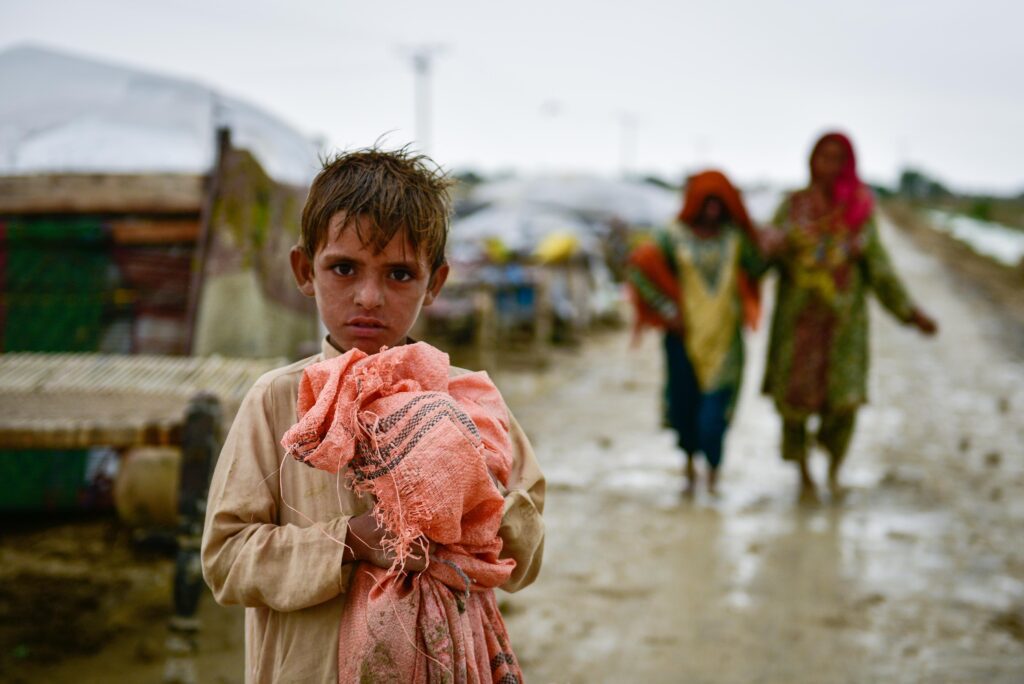
In recent years, floods have emerged as a grave global concern, impacting both developed and developing nations alike. Climate change-induced factors such as extreme weather events, rising sea levels, and changing rainfall patterns have exacerbated the risk of flooding in many regions. The devastating impacts of floods include loss of human lives, destruction of homes and infrastructure, displacement of communities, and severe economic setbacks. Therefore, it has become imperative to invest in flood protection measures to mitigate these risks effectively.
World Bank’s Financial Commitment:
Recognizing the urgency and scale of the problem, the World Bank has allocated $213 million to support flood protection initiatives. This funding will be used to strengthen existing infrastructure, such as levees, dams, and flood barriers, in flood-prone areas. Additionally, the funds will be utilized to implement innovative measures like natural flood management techniques, such as reforestation, wetland preservation, and river restoration. Such measures have shown promising results in reducing the impact of floods by allowing natural processes to regulate water flows.
Enhancing Early Warning Systems:
In an effort to improve disaster preparedness and response, a significant portion of the allocated funds will be dedicated to enhancing early warning systems. Early detection and timely dissemination of accurate information are crucial in ensuring the safety of communities at risk. By investing in state-of-the-art monitoring technologies, including satellite-based rainfall sensors, flood-prone regions will be better equipped to forecast and respond to flood events promptly. This will enable authorities to evacuate vulnerable areas, mobilize resources, and coordinate emergency relief efforts more effectively.
Capacity Building and Community Engagement:
The success of any flood protection initiative relies on the active participation and engagement of local communities. Recognizing this, the World Bank’s funding will also support capacity building programs aimed at raising awareness about flood risks, preparedness measures, and evacuation protocols. These programs will empower communities to take proactive steps to protect themselves and their assets from floods. Additionally, the funds will be used to train emergency responders and equip them with the necessary skills and resources to handle flood-related crises.
Collaboration and Knowledge Exchange:
The World Bank’s initiative emphasizes the importance of collaboration and knowledge exchange among countries and regions facing similar flood risks. The funding will facilitate the sharing of best practices, experiences, and expertise in flood management and response strategies. By fostering a global network of knowledge, countries can learn from each other’s successes and challenges, leading to more efficient and effective flood protection measures worldwide.
Read More: Pakistan’s Inflation Rate Experiences a 0.42% Weekly Decline
Conclusion:
The World Bank’s approval of $213 million for flood protection measures marks a significant milestone in the global effort to mitigate the devastating impacts of floods. By investing in infrastructure, early warning systems, community engagement, and knowledge exchange, this funding aims to build resilience and safeguard vulnerable communities. As the frequency and severity of floods continue to rise, it is imperative for governments, organizations, and individuals to prioritize flood protection and adopt sustainable strategies to ensure a safer and more resilient future for all. The World Bank’s initiative sets a positive example and calls for concerted global action to address this pressing challenge.