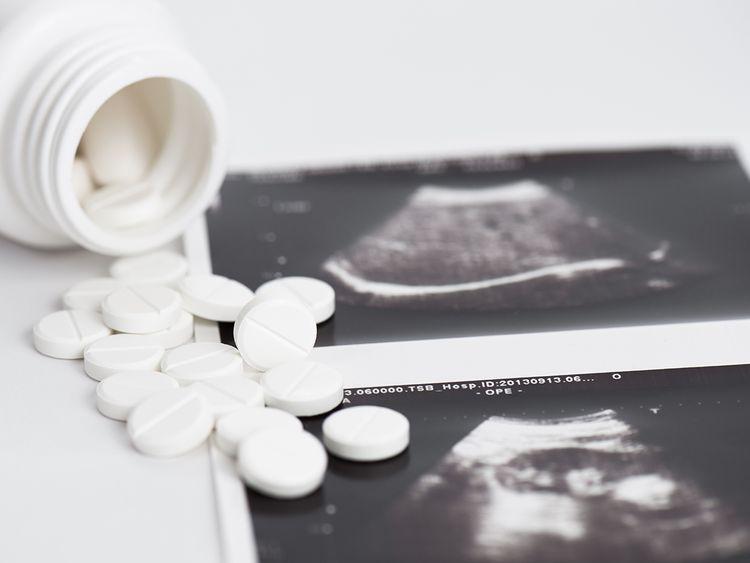
A federal judge in Texas has recently overturned the approval of a commonly used abortion pill, sparking controversy and raising concerns about reproductive rights in the United States. The decision, made by a Donald Trump appointee, has been met with appeals from the Food and Drug Administration (FDA) and the Justice Department, with President Joe Biden vowing to fight against the ruling.
Background on the abortion pill
The abortion pill, also known as mifepristone, is a medication used in combination with another drug called misoprostol to terminate early pregnancies. It has been approved by the FDA for use in the United States for over two decades and has been widely recognized as a safe and effective option for women seeking to end unwanted pregnancies in the privacy of their own homes.
Federal judge’s ruling and its impact
The recent ruling by the federal judge in Texas has brought into question the availability and accessibility of the abortion pill for women across the country. The decision has been seen as a setback for reproductive rights, as it effectively blocks the use of mifepristone in terminating pregnancies, even though it has been proven to be a safe and effective option.
Controversy and criticism
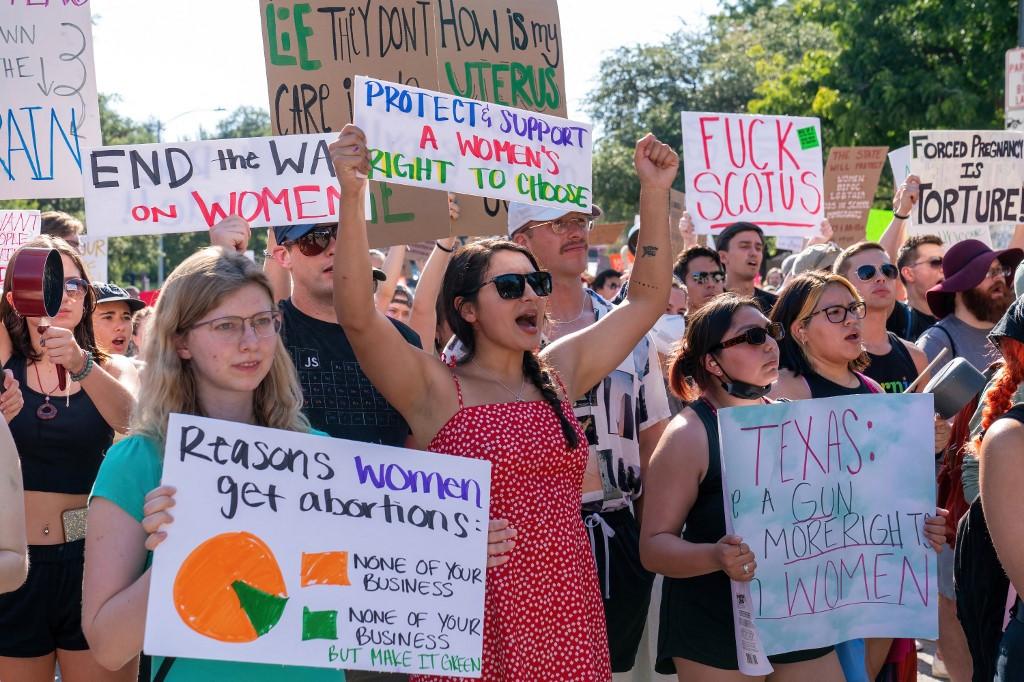
The federal judge’s decision has been met with widespread criticism from advocates of reproductive rights and women’s health. Many argue that it represents a regressive step in the fight for gender equality and bodily autonomy, as it restricts women’s ability to make personal choices about their own reproductive health. They view it as an infringement on women’s rights and an attempt to roll back progress made in ensuring access to safe and legal abortion options.
Appeals and response
In response to the federal judge’s ruling, both the FDA and the Justice Department have filed appeals, seeking to overturn the decision. President Joe Biden has also voiced his opposition to the ruling, pledging to fight against it and protect women’s reproductive rights. He has called the decision an unprecedented step in taking away basic freedoms from women and putting their health at risk.
Furthermore, reproductive rights organizations and advocacy groups have also condemned the ruling, vowing to continue their fight for access to safe and legal abortion options. They argue that the decision is based on ideology rather than sound medical evidence, and that it undermines the rights and autonomy of women to make their own reproductive health decisions.
Impact on marginalized communities
The federal judge’s decision to block the use of the abortion pill has raised concerns about its impact on marginalized communities, particularly low-income women, women of color, and those in rural areas. These communities may face additional barriers in accessing abortion services, including limited access to healthcare facilities and increased travel and financial burdens. The restriction on the use of the abortion pill could further limit their options for safe and legal abortion care, exacerbating existing disparities in reproductive healthcare.
Future implications
The outcome of the appeals filed by the FDA and the Justice Department, as well as President Biden’s efforts to fight against the ruling, remains uncertain. The future implications of the federal judge’s decision on the availability and accessibility of the abortion pill in the United States are yet to be determined. However, the controversy and debate surrounding reproductive rights are expected to continue, with ongoing legal battles and political discussions on the issue.
Conclusion
The recent ruling by the federal judge in Texas blocking the use of the abortion pill has sparked controversy and raised concerns about reproductive rights in the United States. The decision has been met with appeals and opposition from the FDA, the Justice Department, President Joe Biden, and reproductive rights advocates.
Related searches: In Mexican jungle, scientists prepare for future pandemics
The impact on marginalized communities and the future implications of the decision remain uncertain. The ongoing debate on reproductive rights and access to safe and legal abortion options is complex and contentious, and the outcome of the legal battles surrounding the abortion pill will likely have significant implications for reproductive healthcare in the United States.