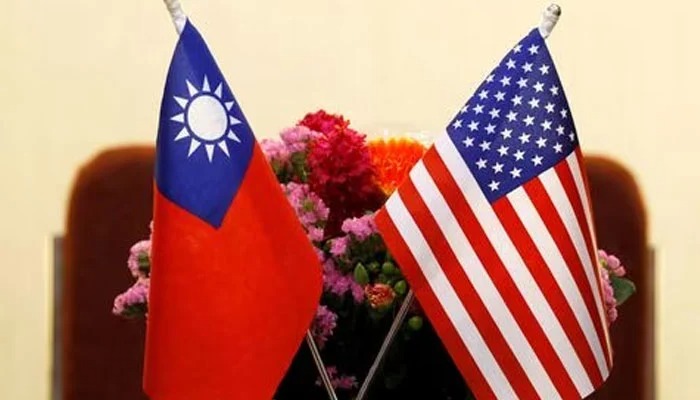
Taiwan’s signing of a trade agreement with the United States marks a significant milestone in the strengthening of bilateral ties between the two nations. The trade deal, which will be the first under the newly established framework, comes at a crucial time as Taiwan faces mounting pressure from China over its democratic governance. This article explores the implications of the trade agreement and the challenges it presents.
Initiating the Trade Agreement Framework
Last year, Taiwan and the United States began discussions under the US-Taiwan Initiative on 21st-Century Trade. This initiative was launched after Taiwan was excluded from the Indo-Pacific Economic Framework, a broader trade initiative led by the United States in the Asia-Pacific region. The exclusion was seen as a consequence of China’s influence and pressure on other nations.
Signing of the Inaugural Agreement
The Office of Trade Negotiations in Taiwan has confirmed that the inaugural trade agreement under the framework will be signed in Washington. However, specific details of the agreement have not been disclosed. Deputy United States Trade Representative Sarah Bianchi is expected to be present at the signing ceremony.
Initial Phase Agreement
In the previous month, Taiwan and the United States reached an agreement on the initial phase of their trade initiative. This initial agreement covered areas such as customs and border procedures, regulatory practices, and support for small businesses. The agreement sets the stage for further negotiations on more complex trade matters.
Future Negotiations
Following the signing of the initial agreement, negotiations will continue on various trade-related issues, including agriculture, digital trade, labor and environmental standards, state-owned enterprises, and non-market policies and practices. These negotiations aim to deepen economic cooperation and address trade barriers between the two nations.
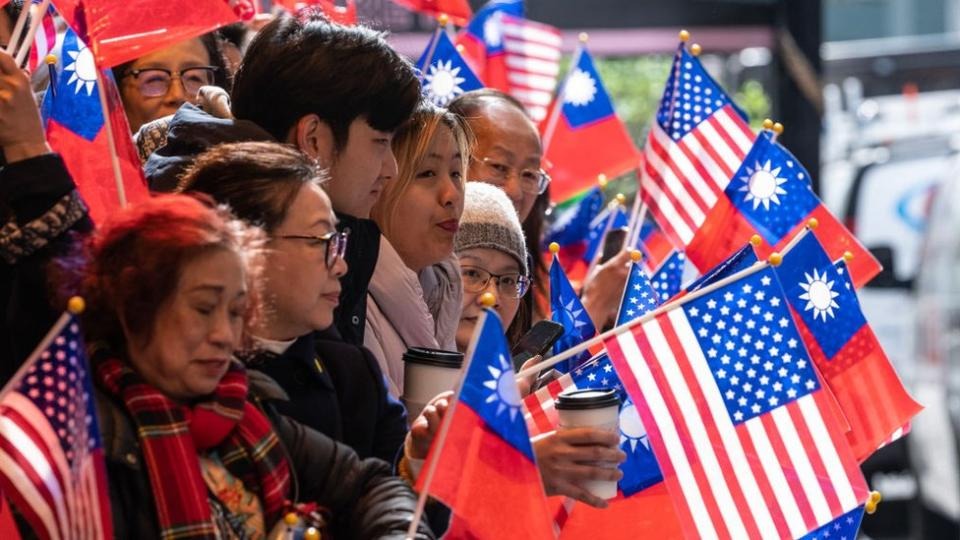
Impact on Tariffs and Economic Ties
It is expected that the trade pact will not result in immediate changes to tariffs on goods. However, proponents argue that the agreement will enhance economic ties between the United States and Taiwan. The deal will likely expand Taiwan’s access to US exports, providing a boost to its economy. Furthermore, the agreement is seen as a step toward bolstering Taiwan’s resilience against economic pressure from China.
Chinese Criticism and Tensions
China has consistently criticized any form of high-level engagement between Taiwan and the United States. Beijing asserts its sovereignty over Taiwan and has been exerting pressure on Taipei through military maneuvers, including war games near the island. The signing of this trade agreement is likely to further strain China-Taiwan relations and escalate tensions in the region.
Read more: US Dollar dominates Pakistani Rupee in Open Market Trading
The signing of the inaugural trade agreement between Taiwan and the United States holds significant importance in strengthening bilateral ties. While the specific details of the agreement have not been revealed, it represents a positive step toward expanding economic cooperation and enhancing Taiwan’s resilience against Chinese pressure. As tensions in the region persist, this trade deal serves as a demonstration of support for Taiwan’s democratic governance and its quest for international recognition.