Inflation prompts Pakistanis to look for cheaper fuel alternatives from Iran
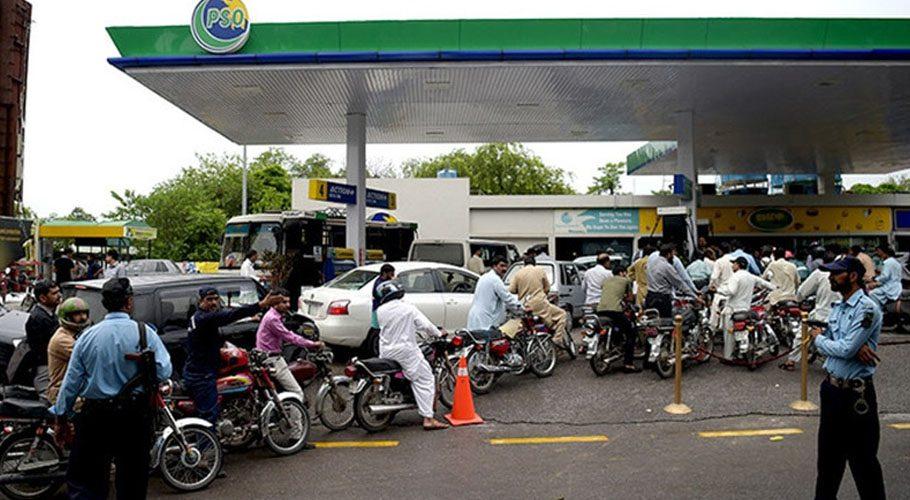
Inflation in Pakistan has reached record levels in recent months, leading many Pakistanis to seek out cheaper sources of fuel. As a result, Iranian oil has become increasingly popular among individuals and small traders who have business networks in Iran. However, the popularity of Iranian oil has hurt volumes at local refineries, which are likely to post dismal sales in the second quarter of 2023.
The decrease in demand for local refineries comes as firms across several sectors shut down due to a slowing economy, and people turn to public transport because of increasing costs. The country’s oil sales dropped 46% year-on-year in April, a decline of about 8.8 million barrels, according to the Oil Companies Advisory Council. In the same month, fuel consumption plummeted 83% to just 70,000 metric tons.
Soaring inflation, a weakening rupee, and a shortage of foreign exchange reserves have prompted small traders and individuals with business networks in Iran to purchase Iranian oil at heavily discounted rates. This, in turn, has caused a significant price difference between Pakistani and Iranian barrels, which is harming refiners’ sales.
In Pakistan, diesel has been sold at an average retail price of Rs288 per liter in recent months, whereas Iranian diesel has been available at significantly lower rates of Rs230 per liter. Private dealers have been offering smuggled Iranian products to oil marketing companies at discounted rates minus a petroleum development levy. This has caused billions of dollars in losses for the government, which relies heavily on the GST and petroleum development levy from fuel sales to generate revenue.
Although the import of Iranian oil has been prohibited in Pakistan due to the US-imposed sanctions in 2013, refinery sources and analysts suggest that the government is ignoring the illicit imports amidst falling foreign reserves. This has resulted in an increase in the inflow of Iranian diesel, which could replace up to 25%-30% of the total diesel sales in the country, according to private dealers. The import of Iranian oil has not only caused losses for the government but also has the potential to cause local refineries to shut down. Refinery sources and analysts at Insight Securities say that if smuggling continues, then local refineries are at risk of shutting down.
The situation is a cause for concern as local refineries play a critical role in Pakistan’s economy, providing fuel to various industries such as transportation, agriculture, and power. If the refineries are forced to shut down, it could lead to widespread unemployment and a further slowdown in the economy. The government needs to take steps to address the issue of smuggled Iranian oil to prevent further losses to the economy and the potential shutdown of local refineries. It is critical that the government understands the gravity of the situation and takes appropriate action to address it.
One possible solution is to reduce taxes and levies on locally produced fuel, making it more competitive with smuggled Iranian oil. This would help to discourage individuals and small traders from turning to Iranian oil and support local refineries by increasing demand for locally produced fuel. Another option is to increase efforts to crack down on the smuggling of Iranian oil. Authorities should work closely with the industry to identify and shut down illegal smuggling routes, while also increasing penalties for those caught smuggling Iranian oil.
Read More: Weekly inflation hits record high of 48.35pc
The popularity of Iranian oil among individuals and small traders in Pakistan is hurting local refineries and causing losses for the government. The government needs to take immediate action to address the issue of smuggled Iranian oil, including reducing taxes and levies on locally produced fuel and increasing efforts to crack down on smuggling. Failure to take action could lead to the shutdown of local refineries, widespread unemployment, and a further slowdown in the economy.