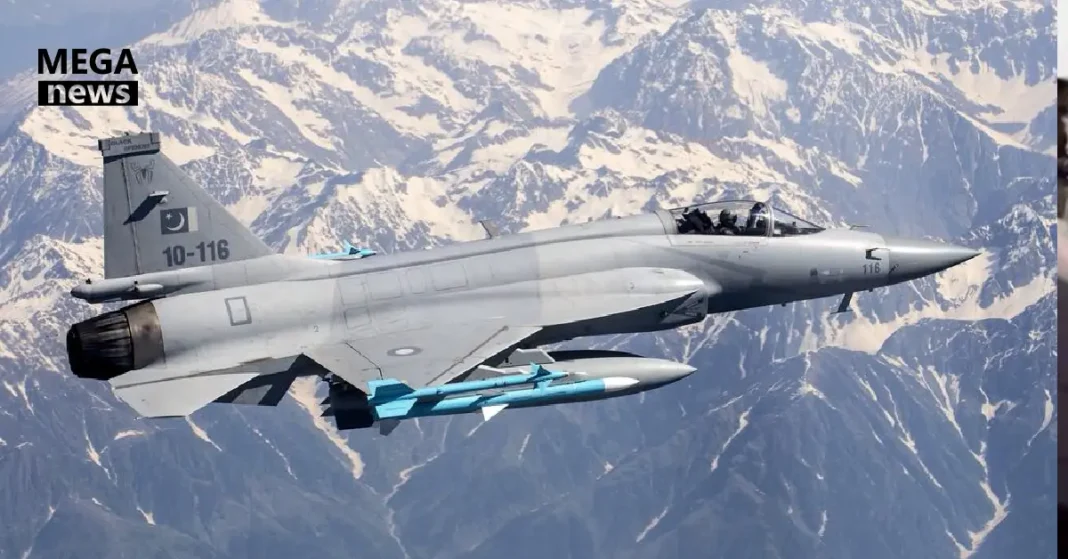
Pakistan, Saudi Arabia in Talks on JF-17 Jets-for-Loans Deal
Pakistan and Saudi Arabia are in talks on a potential JF-17 jets-for-loans deal that could see around $2 billion of Saudi financial assistance converted into a fighter aircraft agreement, Pakistani sources said, signalling a major step forward in defence cooperation between the two allies.
The discussions come months after Pakistan and Saudi Arabia signed a mutual defence pact and at a time when Islamabad is facing severe economic pressure while Riyadh is reassessing its regional security partnerships amid uncertainty over long-term US commitments in the Middle East.
Sources familiar with the matter said the talks focus primarily on the JF-17 Thunder fighter jet, a light combat aircraft jointly developed by Pakistan and China and manufactured domestically. One source said the total value of the deal could reach $4 billion, including an additional $2 billion worth of military equipment beyond the loan conversion.
The Pakistan, Saudi Arabia JF-17 jets-for-loans deal discussions are taking place under strict confidentiality, with sources speaking on condition of anonymity due to the sensitivity of the negotiations.
Pakistan Air Chief Marshal Zaheer Ahmed Baber Sidhu recently visited Saudi Arabia for bilateral talks covering military cooperation, according to Saudi media reports. The visit is widely seen as part of broader efforts to operationalise the defence agreement signed last year.
Analysts say the JF-17’s appeal has grown significantly due to its combat experience and cost effectiveness. Retired Air Marshal Aamir Masood told Reuters that Pakistan has either finalised or is negotiating defence export deals with at least six countries, including Saudi Arabia, involving fighter jets, electronic warfare systems, and weapons platforms.
“The JF-17 is marketable because it has been tested and used in combat,” he said, referring to Pakistan’s claim that the aircraft was deployed during last year’s conflict with India, the most intense fighting between the two neighbours in decades.
Neither Pakistan’s military nor its finance and defence ministries responded immediately to requests for comment. Saudi Arabia’s government media office also did not issue an official response.
The mutual defence pact signed in September commits both nations to treat any aggression against either country as an attack on both, significantly expanding a decades-long security relationship. Pakistan has historically provided military training and advisory support to the kingdom, while Saudi Arabia has repeatedly extended financial lifelines to Islamabad during economic crises.
Riyadh announced a $6 billion support package for Pakistan in 2018, including central bank deposits and deferred oil payments, and has since rolled over deposits multiple times, helping stabilise Pakistan’s foreign exchange reserves.
The Pakistan, Saudi Arabia JF-17 jets-for-loans deal also reflects Islamabad’s broader push to expand defence exports and monetise its domestic arms industry. In recent months, Pakistan secured a multi-billion-dollar weapons deal with Libya’s eastern-based forces and has held discussions with Bangladesh over possible JF-17 sales.
Pakistan’s defence minister recently said the success of the country’s defence exports could significantly ease economic pressure, claiming strong demand for domestically produced military hardware.
Pakistan is currently operating under a $7 billion IMF programme after narrowly avoiding default in 2023, with financial support from Gulf allies playing a key role in securing international assistance.