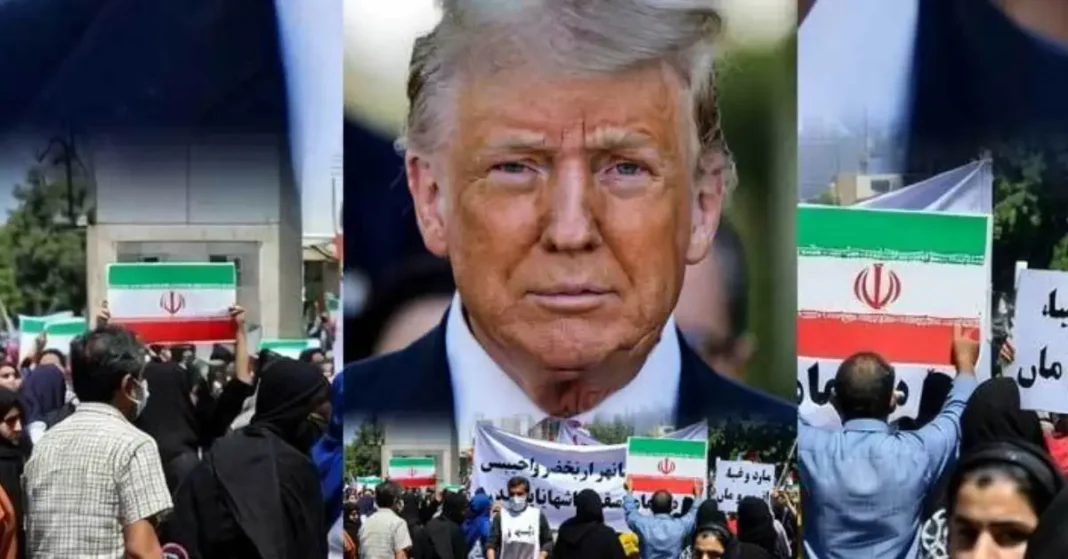
Global oil prices dropped sharply on Tuesday after Donald Trump suggested that the ongoing conflict in the Middle East could end soon, easing fears of prolonged disruptions to global energy supplies.
In early trading, Brent crude fell by $6.51, or 6.6%, to $92.45 per barrel, while US West Texas Intermediate (WTI) dropped $6.12, or 6.5%, to $88.65 per barrel.
Prices Had Earlier Surged Above $100
Oil markets had surged a day earlier as tensions linked to the war involving Iran, Israel and the United States raised fears of major supply disruptions.
On Monday, oil prices briefly climbed above $100 per barrel, reaching session highs of:
- $119.50 for Brent crude
- $119.48 for WTI
These were the highest levels recorded since mid-2022, driven by concerns over shipping disruptions and production cuts by Gulf oil producers.
Putin–Trump Call Eases Market Concerns
Markets began to cool after Vladimir Putin held a call with Trump and reportedly shared proposals aimed at quickly resolving the Iran war.
According to a Kremlin aide, the discussion included ideas that could accelerate a settlement to the conflict, helping calm fears of a long-term disruption to global oil supplies.
Trump later told CBS News that the war against Iran appeared “very complete” and said the timeline was progressing much faster than his earlier estimate of four to five weeks.
Iran Warns Against Regional Oil Exports
Despite the drop in prices, Iran’s military issued a strong warning.
The Islamic Revolutionary Guard Corps (IRGC) said Tehran would determine how the war ends and warned that it would not allow “one litre of oil” to leave the region if US and Israeli attacks continued.
Sanctions Relief and Emergency Reserves Considered
Oil markets were also pressured by reports that the Trump administration is considering several steps to stabilize prices, including:
- Easing oil sanctions on Russia
- Releasing emergency crude stockpiles
- Coordinating with allies to control market volatility
These measures could help ease global supply shortages created by the conflict.
Production Cuts Add to Market Volatility
Meanwhile, several Gulf producers have already begun reducing oil output as regional instability affects shipping and energy infrastructure.
- Iraq cut production at its southern oilfields by 70%, lowering output to 1.3 million barrels per day.
- Kuwait Petroleum Corporation also reduced production and declared force majeure.
- Saudi Arabia has reportedly begun trimming its output as well.
Markets Expected to Remain Volatile
Market analysts warn that oil prices could remain highly volatile in the coming weeks.
Tony Sycamore, a market analyst at IG Group, said crude prices could trade within a wide range between $75 and $105 per barrel as geopolitical tensions continue to influence global markets.
Meanwhile, the Group of Seven (G7) countries said they are ready to take necessary measures to respond to rising global oil prices, though they stopped short of committing to releasing emergency reserves.