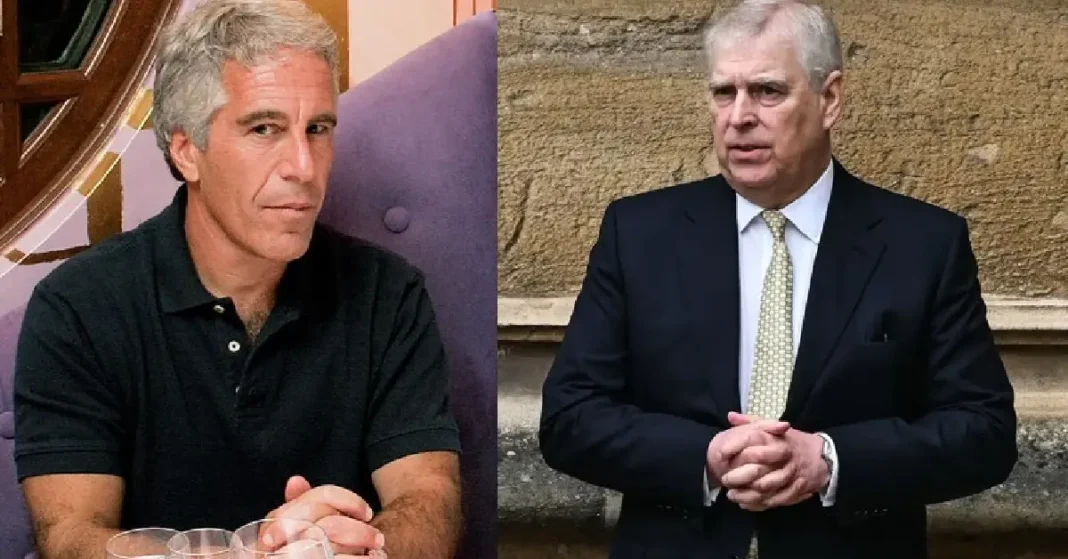
After years of scrutiny into Jeffrey Epstein’s finances, properties and personal network, the FBI concluded that while the disgraced financier sexually abused dozens of underage girls, there was insufficient evidence to prove he operated a sex trafficking ring for powerful or influential men, according to newly released Justice Department records reviewed by the Associated Press.
Investigators examined Epstein’s bank records, emails and digital devices, searched his homes in New York, Florida and the US Virgin Islands, and conducted extensive interviews with victims and witnesses. Despite the scale of the probe, internal memos indicate prosecutors found little evidence linking other high-profile individuals to Epstein’s crimes.
A 2025 prosecutorial memo stated that videos and photographs seized from Epstein’s properties did not show victims being abused nor implicate anyone else. Another internal memo from 2019 said a review of Epstein’s financial records — including payments to entities connected to influential figures in academia, finance and diplomacy — revealed no criminal links.
Although one victim publicly claimed Epstein “lent her” to wealthy friends, investigators said they were unable to corroborate that allegation and found no other victims reporting similar experiences. In a July 2025 email summarising the investigation, FBI agents noted that four or five accusers had named other alleged abusers, but said there was not enough evidence to bring federal charges, leading those cases to be referred to local authorities.
The findings are part of millions of pages of documents released under the Epstein Files Transparency Act. While journalists continue to review the material and acknowledge more evidence could surface, the records provide the clearest picture yet of why US authorities ultimately closed the investigation without pursuing further charges.
The renewed focus on the files has once again placed several prominent figures under public scrutiny.
The investigation into Epstein began in 2005 after the parents of a 14-year-old girl reported she had been molested at his Palm Beach, Florida, home. Police later identified at least 35 girls with similar accounts, describing how Epstein paid teenagers hundreds of dollars for sexualised massages.
Federal prosecutors initially prepared indictments against Epstein and some of his assistants, but the case took a controversial turn when then–Miami US attorney Alexander Acosta agreed to a plea deal. Epstein pleaded guilty to state charges of soliciting prostitution from a minor, served 18 months in jail and was released in 2009.
Public outrage resurfaced in 2018 following a Miami Herald investigation into the plea deal, prompting New York federal prosecutors to reopen the case. Epstein was arrested in July 2019 but died by suicide in his jail cell a month later.
In 2020, prosecutors charged Epstein’s longtime associate Ghislaine Maxwell, accusing her of recruiting and abusing victims. She was convicted in 2021 and is currently serving a 20-year prison sentence.
Documents released by the Justice Department show investigators pursued numerous leads, including tips deemed sensational or implausible. Some claims, however, could not be verified.
Virginia Roberts Giuffre, a key accuser, told investigators in 2011 and 2019 that Epstein arranged sexual encounters between her and powerful men, including Britain’s Prince Andrew. While authorities confirmed Epstein sexually abused Giuffre, they questioned parts of her account. Two other victims she named denied being trafficked to influential figures, prosecutors said.
Investigators also cited inconsistencies in Giuffre’s statements and acknowledged she had written a partially fictionalised memoir. Despite this, prosecutors attempted to interview Prince Andrew, who declined. Giuffre later settled a civil lawsuit against him.
The files further show that although investigators recovered explicit images from Epstein’s devices, none depicted sexual abuse of victims or implicated anyone other than Epstein and Maxwell. Assistant US Attorney Maurene Comey wrote that had such evidence existed, authorities would have acted on it.
Prosecutors reviewed Epstein’s ties to several associates, including assistants, girlfriends, business figures and clients such as retail magnate Les Wexner. None were charged, with investigators citing limited or insufficient evidence. Wexner’s legal team said he was never a target of the investigation and had cooperated fully.
Claims surrounding a supposed Epstein “client list” were also dismissed by the FBI. Internal emails from late 2024 and early 2025 confirmed investigators did not find any such list, despite public statements suggesting otherwise.
The Justice Department says it is releasing more than three million pages of documents related to the Epstein case. Media organisations, including the AP, continue to analyse the records as public interest in one of the most controversial criminal cases in recent US history remains intense.