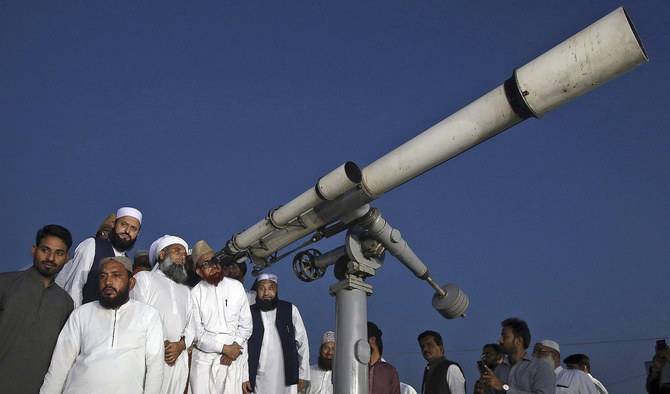
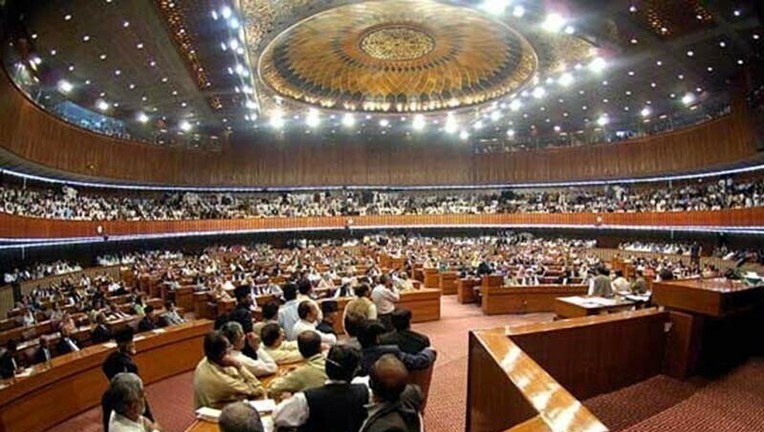
In a significant development, the National Assembly of Pakistan has approved “The Pakistan Ruet-e-Hilal Bill 2022,” aimed at regulating the moon-sighting process and penalizing private bodies engaging in unofficial moon-sighting activities. The bill, which had been pending since 2021, seeks to centralize moon-sighting announcements and ensure their authenticity. The move comes as an effort to streamline the process and maintain uniformity throughout the country.
Background and Objectives of the Bill:
Delays and Inconsistencies: Moon-sighting has been a contentious issue in Pakistan, with multiple committees and organizations announcing the sighting of the moon independently, leading to inconsistencies and disputes. Delays in reaching a consensus have caused confusion and disagreements among the public. The bill aims to address these concerns by establishing a centralized authority responsible for moon-sighting announcements.
Unofficial Moon-Sighting Bodies:
The bill specifically targets private committees, entities, and organizations that have been operating independently to determine the sighting of the moon. Such unofficial bodies will no longer be permitted to operate, and only officially recognized committees will have the authority to announce moon sightings.
Provisions of “The Pakistan Ruet-e-Hilal Bill 2022”:
Exclusive Authority: According to the bill, only the chairperson of the Federal Ruet-i-Hilal Committee or any authorized member will have the authority to officially announce the sighting of the moon. This provision aims to eliminate conflicting announcements and ensure a single, authoritative declaration.
Penalties for Violators:
Violators of the bill will face severe penalties. Those operating unofficial moon-sighting bodies will be fined Rs500,000, discouraging the formation of parallel committees. Additionally, individuals found guilty of providing false evidence of moon sighting will face a three-year imprisonment and a fine of Rs50,000.
Media Accountability:
To prevent premature announcements, the bill imposes strict penalties on TV channels. Any channel making moon-sighting announcements before the official announcement by the federal committee will face a fine of Rs1 million or potential license revocation. This provision aims to ensure that the public receives accurate and authenticated information.
Establishment of Committees:
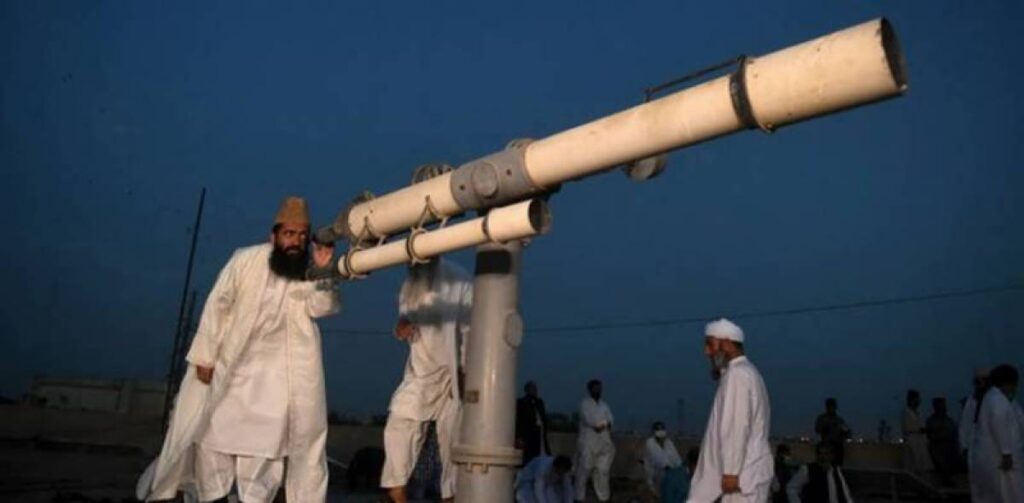
Central Ruet-e-Hilal Committee: The bill solidifies the role of the Federal Ruet-i-Hilal Committee as the primary authority for moon-sighting announcements. The chairperson of the committee will convene a meeting on the 29th day of each month, or as directed by the relevant division, to determine the sighting of the moon.
Read More: Terror attack claims lives of 2 soldiers on Pak-Iran Border
Provincial and District Committees:
Apart from the federal committee, the bill also mandates the formation of provincial and district committees. The provincial Ruet-e-Hilal Committee will consist of 13 members, the Islamabad-based committee will have seven members, and district committees will be composed of six members. This decentralized structure aims to involve local representation while maintaining oversight.
The passage of “The Pakistan Ruet-e-Hilal Bill 2022” by the National Assembly marks a crucial step towards regulating the moon-sighting process in Pakistan. By centralizing the authority to announce moon sightings and penalizing unofficial bodies, the bill seeks to establish a standardized and authoritative procedure. The implementation of this legislation is expected to reduce conflicts and ensure reliable and consistent moon-sighting information for the public.