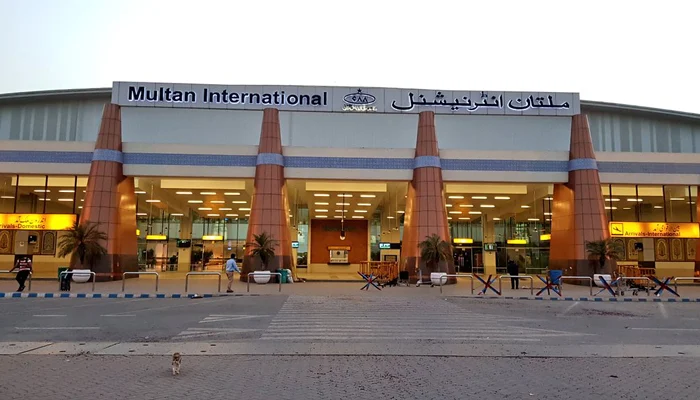
This advanced technology, capable of matching human faces from digital images or video frames against a database of faces, aims to bolster security measures and curb illegal international transportation. Officials from the Japan International Cooperation System (JICS) have collaborated with the Federal Investigation Agency (FIA) and Civil Aviation Authority to provide training on the implementation and utilization of the FRS at Multan International Airport.
Strengthening Security Measures through Collaboration
The partnership between the Japanese and Pakistani governments in enhancing security systems at airports is an ongoing endeavor. The introduction of the Facial Recognition System at Multan International Airport reflects the commitment of both nations to ensure the safety and integrity of air travel. The cooperation between the JICS and Pakistani officials highlights the continuous efforts to leverage advanced technologies for the protection of passengers and the prevention of unlawful activities.
Facial Recognition System: A Biometric Security Solution
The Facial Recognition System deployed at Multan International Airport serves as a crucial component of biometric security. By utilizing sophisticated algorithms, the system analyzes and measures various facial features extracted from images, allowing for accurate identification and verification. This technology is commonly employed for user authentication and ID verification purposes. It joins other biometric software solutions such as voice recognition, fingerprint recognition, and eye retina or iris recognition in fortifying security measures at airports and other high-security locations.

Enhanced Border Security and Anti-Illegal Transportation Measures
With the implementation of the Facial Recognition System, border agencies operating at Multan International Airport will benefit from improved capabilities to detect and prevent illegal international transportation. By swiftly and accurately identifying individuals through facial analysis, authorities can ensure that the individuals passing through the airport are authorized and comply with relevant regulations. This system acts as an additional layer of security, bolstering the overall safety measures in place at the airport and contributing to national security efforts.
Multan, Ensuring Privacy and Data Protection
While the Facial Recognition System provides significant security advantages, it is essential to prioritize privacy and data protection. To address these concerns, strict protocols and guidelines must be implemented to safeguard the privacy of individuals whose facial data is captured and stored within the system. Compliance with relevant privacy laws and regulations should be a priority, ensuring that the collected data is used solely for security purposes and is protected against unauthorized access or misuse.

Looking Ahead: Expanding Security Measures
The adoption of the Facial Recognition System at Multan International Airport is a positive step towards strengthening security measures in Pakistan. As technology continues to advance, it is crucial for airports and authorities to stay updated and adapt their security protocols accordingly. By embracing innovative solutions and fostering international cooperation, Pakistan can ensure the safety and convenience of air travel, thereby enhancing its reputation as a secure and reliable destination.
Read more: Government takes bold step to address Out-of-School children issue
In conclusion, the implementation of the Facial Recognition System at Multan International Airport signifies a significant milestone in bolstering security measures in Pakistan. This advanced technology, backed by collaboration between Japanese and Pakistani officials, will contribute to the prevention of illegal activities and the protection of passengers. As the country continues to invest in cutting-edge security solutions, it reinforces its commitment to providing a safe and secure environment for travelers and aviation personnel.