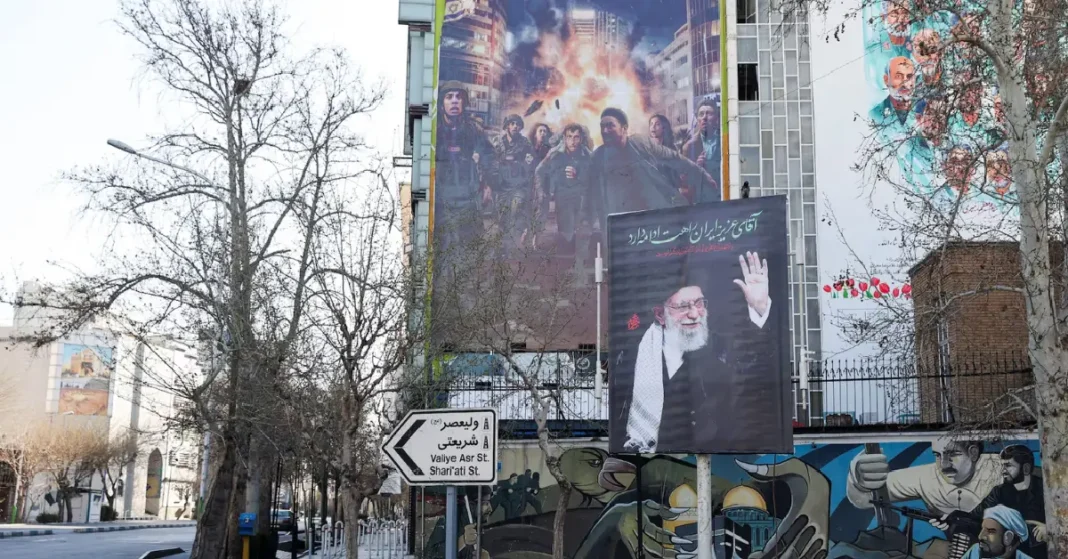
Israel has vowed to target the successor of Iran’s slain Supreme Leader as Iran began a three-day state funeral ceremony marked by mass processions, heightened security and vows of retaliation.
The latest escalation comes as Israeli forces conduct broad-scale strikes on Tehran and other strategic sites, while Iran’s Islamic Revolutionary Guard Corps (IRGC) launched more than 40 missiles targeting United States and Israeli-linked positions across the region.
Funeral Rites Under Tight Security
State media in Tehran showed vast crowds gathering for funeral prayers following the reported killing of Supreme Leader Ali Khamenei during recent hostilities. Senior Iranian officials described the assassination as a “turning point” and warned of severe consequences.
Authorities have not publicly confirmed the full details surrounding the succession process, though constitutional procedures are expected to be overseen by the Assembly of Experts. Security across major cities remains on high alert amid fears of further strikes.
Israel Signals Continued Military Action
Israeli officials signalled that operations would continue, stating that any successor seen as continuing hostile policies would remain a legitimate target. While no individual was named, Israeli leadership reiterated that its objective is to neutralise what it describes as strategic threats from Tehran.
Explosions were reported in multiple districts of the capital as Israeli jets reportedly struck military and intelligence facilities. Iran’s air defence systems were activated in response.
IRGC Launches Missile Barrage
In retaliation, Iran’s Islamic Revolutionary Guard Corps fired over 40 missiles aimed at US and Israeli targets, including facilities in the Gulf region. Regional defence systems were placed on high alert, and several countries temporarily restricted airspace operations amid fears of further escalation.
The United States has not released detailed damage assessments but confirmed that it is monitoring the situation closely.
Regional Tensions Deepen
The conflict has already triggered diplomatic and security repercussions worldwide. Several governments have urged restraint and called for immediate de-escalation to prevent a wider war.
Energy markets remain volatile, with investors closely watching developments in the Gulf amid concerns over shipping routes and oil supplies.
As Iran continues its official mourning period and Israel sustains military operations, analysts warn that the next phase — particularly the selection of a new supreme leader — could further inflame tensions in an already fragile region.