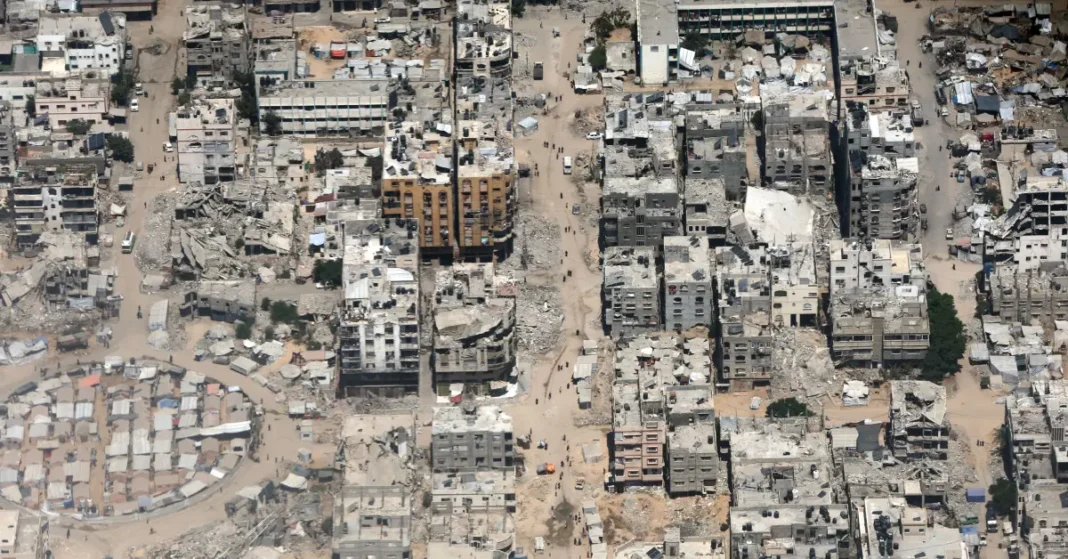
Israel Approves Plan to Take Control of Gaza Amid Rising Global Criticism
In a move set to escalate tensions in the Middle East, Israel approves plan to take control of Gaza City, marking a significant shift in its military strategy. The political-security cabinet gave the green light early Friday, just hours after Prime Minister Benjamin Netanyahu confirmed intentions to extend military control over the entire Gaza Strip. The decision comes despite growing international pressure and domestic protests against the nearly two-year-old war.
According to Netanyahu’s office, the Israeli Defence Forces (IDF) will prepare to seize Gaza City while ensuring humanitarian aid reaches civilians outside combat zones. The plan includes evacuating Palestinian civilians from the city before launching a full-scale ground offensive.
Netanyahu’s Stance and Strategic Goals
Speaking to Fox News, Netanyahu said Israel does not intend to govern Gaza permanently but aims to establish a security perimeter before handing the territory to Arab forces. However, he did not specify which Arab nations might participate in governance.
The Prime Minister reiterated that Israel’s main objectives remain the defeat of Hamas and the safe return of hostages. His remarks come ahead of meetings with senior ministers to finalize military plans for controlling more territory within Gaza.
Military and Political Reactions
Reports suggest recent high-level meetings were tense, with military chief Eyal Zamir expressing concerns over the expansion of operations. Netanyahu’s office stated that most cabinet members rejected alternative plans, claiming they would fail to dismantle Hamas or secure the release of captives.
The proposed takeover could reverse Israel’s 2005 withdrawal from Gaza, a decision right-wing parties have long criticized for enabling Hamas’s rise to power. While Netanyahu has not confirmed whether this would be a long-term occupation, the move signals a dramatic escalation.
Hamas and Arab Nations Respond
Hamas condemned Netanyahu’s announcement, calling it a “blatant coup” against peace negotiations and accusing him of endangering hostages. Jordan and other Arab nations reaffirmed that they would only support governance arrangements agreed upon by Palestinians, warning against any force perceived as an occupying power.
Earlier this year, Israel and the U.S. rejected an Egyptian-backed plan to appoint a Palestinian technocratic committee to administer Gaza after the conflict.
Global and Domestic Backlash
The United Nations labeled the potential expansion “deeply alarming”, while protests erupted outside Netanyahu’s office in Jerusalem. Demonstrators, including families of hostages, demanded an immediate ceasefire in exchange for the captives’ release.
“I’m here because I am sick and tired of this government. It’s ruined our life,” said protester Noa Starkman, holding a sign with photos of hostages.
Defence Minister Israel Katz assured the public that the military would implement the government’s decisions until all war goals are achieved.
The Road Ahead
As Israel moves closer to a full military takeover of Gaza, questions remain about the long-term consequences — both for regional stability and for the civilians caught in the crossfire. With diplomatic solutions faltering and military operations intensifying, the Gaza conflict is poised to enter a more dangerous phase.
READ MORE: UN Warns of Humanitarian Catastrophe as Gaza War Intensifies