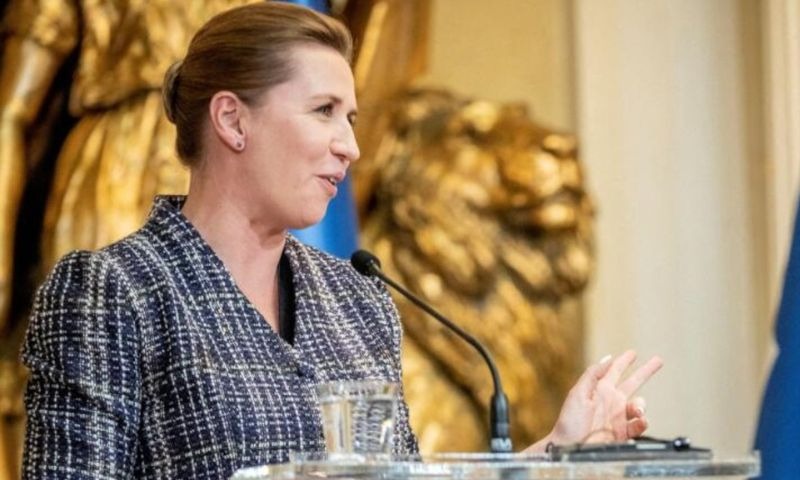
Despite several warnings by tech leaders about potential errors that artificial intelligence (AI) could make, Danish Prime Minister Mette Frederiksen depended on a speech written by ChatGPT Wednesday to address lawmakers in the parliament, highlighting the revolutionary aspects and risks of AI.
The speech was given in a traditional manner by the Danish government as the legislative house gets ready to close for the summer.
Unveiling an Unconventional Source
“What I have just read here is not from me. Or any other human for that matter”, Frederiksen suddenly said part-way into her speech to legislators, explaining it was written by ChatGPT.
“Even if it didn’t always hit the nail on the head, both in terms of the details of the government’s work programme and punctuation… it is both fascinating and terrifying what it is capable of,” the PM added.
OpenAI-created ChatGPT came into the global limelight as it demonstrated its ability to write human-like prose, essays, poems and conversation.
After it grabbed the public attention, tech behemoths raced to incorporate AI-powered systems in their products, sparking tech leaders, academicians and experts to voice concerns about the arms race and the speedy development of the technology.
The Risks and Rewards of AI
The major concerns include the AI systems could disseminate misinformation, false images, racism driven by biased algorithms and automation replacing humans in industries.
The concerns are also expected to take centre stage in a high-level meeting between the European Union (EU) and the US Wednesday in Lulea, Sweden.
A day earlier Tuesday, a number of AI experts, academicians and notable people including OpenAI CEO and Google DeepMind warned of humanity’s extinction if the threats posed by AI to humans were not dealt with as a top global priority.
In a brief statement published on the webpage of the Centre for AI Safety Tuesday, it read: “Mitigating the risk of extinction from AI should be a global priority alongside other societal-scale risks such as pandemics and nuclear war.”
The statement was also backed by Sam Altman, CEO of ChatGPT-maker OpenAI, Demis Hassabis, CEO of Google DeepMind and Dario Amodei of Anthropic.
The Power of AI in Politics
The part of Frederiksen’s AI speech included sentences like the following: “It has been an honour and a challenge to lead a broad government in the last parliamentary year.”
“We have worked hard to co-operate across parties and ensure a strong and sustainable future for Denmark,” and “We have taken steps to combat climate change and ensure a fairer and more inclusive society where all citizens have equal opportunities,” the speech written by ChatGPT wrote.
“Although we have faced challenges and resistance along the way, I am proud of what we have achieved together in the last parliamentary year.”
Balancing the Fascination and Terrifying Aspects
The Danish Prime Minister’s decision to rely on an AI-generated speech demonstrates the growing impact of AI in the political realm. While AI systems like ChatGPT can generate coherent and relevant content, it is important to recognize the limitations and potential errors that may arise. Frederiksen’s acknowledgement that the speech did not always accurately represent the government’s work program or maintain perfect punctuation reflects the need for caution and human oversight when using AI-generated content.
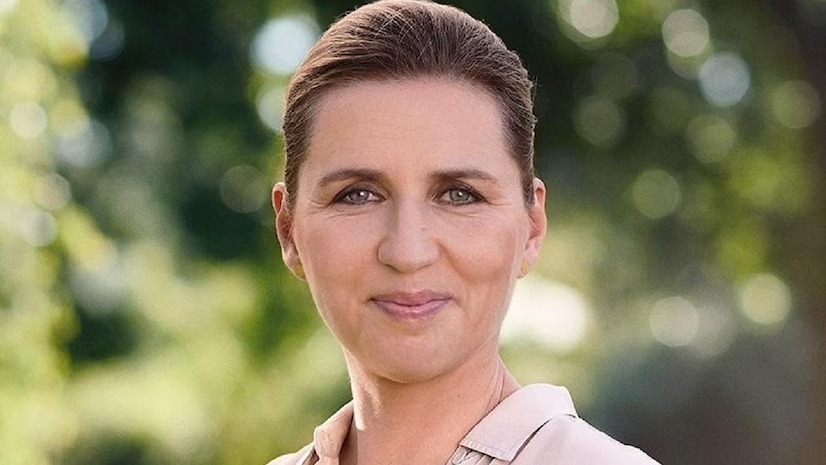
As AI technology continues to advance, it is crucial to strike a balance between embracing its potential and ensuring responsible use. The fascination surrounding AI’s capabilities should be tempered with a critical evaluation of its limitations and potential risks. Engaging in thoughtful discussions about the ethical and responsible use of AI is essential to navigate the evolving landscape of technology and its impact on society.
Looking Ahead
The Danish PM’s reliance on ChatGPT to deliver a speech to lawmakers raises important questions about the role of AI in politics and decision-making processes. While AI can provide valuable insights and assistance, it is crucial to maintain a human-centered approach and exercise judgment in interpreting and applying AI-generated content. As AI continues to evolve, policymakers, tech leaders, and society as a whole must actively engage in discussions and establish guidelines to ensure the responsible and beneficial integration of AI in various domains.
Read more: OpenAI provides $100,000 grants to solicit proposals on the governance of AI
In conclusion, the Danish Prime Minister’s decision to rely on a ChatGPT-written speech highlights both the potential and challenges of AI technology. While AI can assist in generating content, it is essential to recognize its limitations and potential errors. By acknowledging the role of AI and the need for human oversight, policymakers can navigate the benefits and risks of AI to make informed decisions that prioritize the well-being of society.