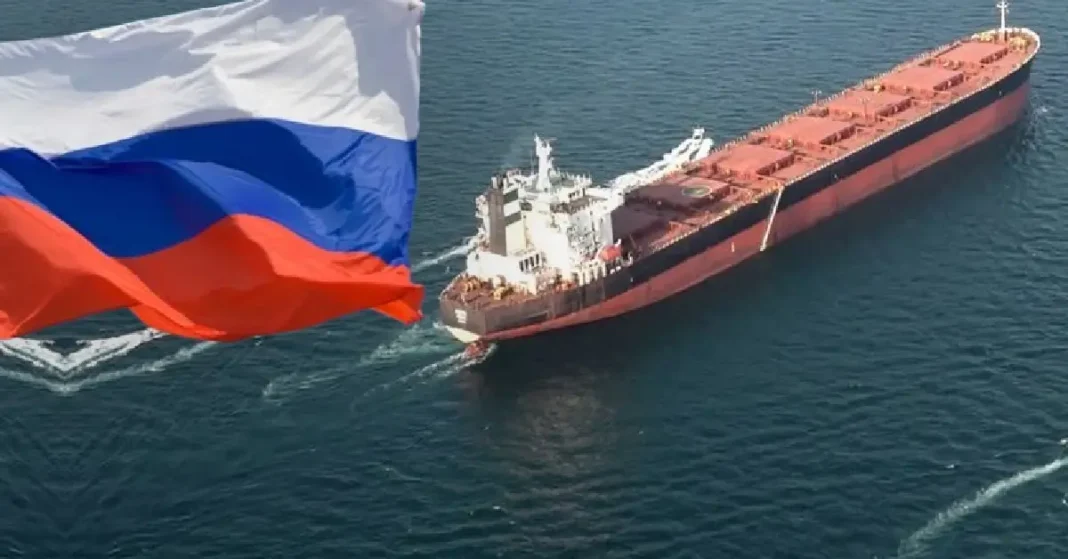
Russia has warned that the closure of the Strait of Hormuz amid the escalating Middle East conflict could trigger severe disruption in global oil and gas markets, raising fears of an international energy shock.
Russia’s Foreign Ministry said the suspension of shipping through the strategic waterway — which handles roughly 20% of the world’s oil supply and significant volumes of liquefied natural gas (LNG) — could destabilise global energy flows. The disruption follows military strikes involving the United States, Israel and Iran.
According to Russian officials, crude oil, refined fuel and LNG shipments have been halted after hostilities intensified in the region, prompting heightened security risks for commercial vessels navigating the narrow maritime corridor.
Moscow Condemns Reported Assassination
The Russian Foreign Ministry also expressed deep sorrow over reports of the assassination of Iran’s Supreme Leader Ali Khamenei, along with members of his family and senior Iranian officials during recent hostilities.
Moscow condemned the alleged killings as violations of international law and called for immediate de-escalation, urging all parties to return to diplomatic negotiations.
Tankers Cluster Near Key Shipping Route
Shipping data indicate that hundreds of vessels, including oil and LNG tankers, have clustered near the entrance to the Strait of Hormuz amid safety concerns. Maritime alerts have reportedly warned that “no ship is allowed to pass,” underscoring the gravity of the situation.
Energy analysts caution that even a partial disruption of Hormuz traffic could cause oil prices to surge sharply when global markets reopen. The passage is considered one of the most critical chokepoints in the global energy system.
Limited Alternative Routes
Major Gulf producers — including Saudi Arabia, United Arab Emirates, Iraq, Kuwait and Iran — rely heavily on the Strait of Hormuz to export oil and gas. Experts note that the lack of sufficient alternative export routes makes any prolonged closure particularly consequential for global energy markets and economic stability.
With geopolitical tensions intensifying and supply chains under threat, international observers warn that the conflict risks evolving into a full-scale global energy crisis if diplomatic efforts fail to restore stability in the region.