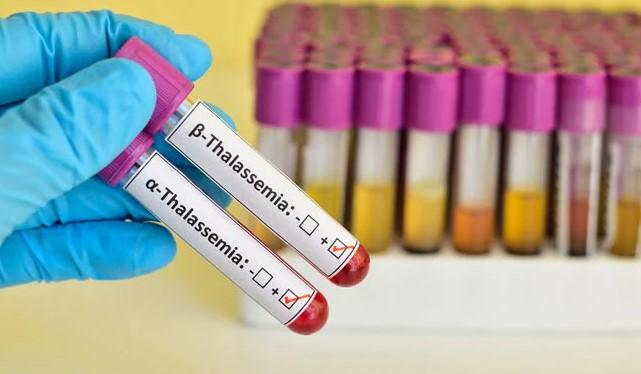
World Thalassemia Day is celebrated annually on May 8th, with the aim of raising awareness about thalassemia, a genetic blood disorder that affects millions of people worldwide. Thalassemia is a hereditary condition that affects the production of hemoglobin, the protein found in red blood cells that carries oxygen throughout the body. It can result in a shortage of red blood cells, leading to anemia, fatigue, and other complications.
This year’s theme, “Strengthening Education to Bridge the Thalassaemia Care Gap,” aims to improve knowledge and skills for individuals impacted by thalassemia. The goal is to reduce disparities in treatment and care and to promote early detection and diagnosis. By educating patients and their families about the condition, they can better manage and cope with the disease.
According to the World Health Organization (WHO), thalassemia is prevalent in many parts of the world, with an estimated 270 million carriers worldwide. The disorder is most common in the Mediterranean region, Middle East, South Asia, and Southeast Asia.
In Pakistan, approximately 100,000 patients are suffering from Thalassemia, and every year, 5,000 babies are born with the disease. Despite advances in medical research and treatments, thalassemia remains a significant public health challenge.
Early detection and diagnosis are crucial in managing thalassemia. Symptoms can vary widely, and in some cases, there may be no visible symptoms at all. This makes it difficult to diagnose the condition, and many patients may go undiagnosed for years.
As a result, the burden of the disease can be severe, and patients may experience social and economic challenges as a result of their condition. In many parts of the world, thalassemia is still not well understood, and patients may face stigma and discrimination due to their condition.
Organizations and individuals around the world are coming together on World Thalassemia Day to raise awareness about the disorder and the importance of early diagnosis and treatment. Through various initiatives and events, the day aims to encourage early screening and detection, improve access to care and treatment, and support the needs and rights of those living with thalassemia.
The Thalassaemia International Federation (TIF) established and organized the first World Thalassaemia Day in 1994, to bring global attention to the condition and its impact on individuals, families, and communities. The TIF was founded by Mr. Panos Englezos, thalassemia patients, and their parents from the UK, USA, Greece, Italy, and Cyprus in 1986.
Treatment for Thalassemia
Treatment for thalassemia depends on the type and severity of the disorder. In milder cases, treatment may not be necessary, but regular monitoring of the condition is important. In more severe cases, individuals may require lifelong blood transfusions and iron chelation therapy to remove excess iron from the body.
Bone marrow transplantation is also a potential treatment for thalassemia, but it is a complex and risky procedure that requires careful consideration and specialized medical care.
Unfortunately, access to effective treatment for thalassemia is often limited, especially in low- and middle-income countries where the disorder is more prevalent. Improving access to treatment and care is a key priority for organizations working to combat thalassemia around the world.

Raising Awareness
World Thalassemia Day is an opportunity to raise awareness about the disorder and the challenges faced by individuals and families affected by it. Through awareness-raising campaigns and events, organizations and individuals can help to reduce stigma and discrimination and promote early diagnosis and treatment.
The theme of this year’s World Thalassemia Day, “Strengthening Education to Bridge the Thalassaemia Care Gap,” highlights the importance of education in improving the lives of individuals with thalassemia. By providing individuals and families with the knowledge and skills they need to manage the disorder, we can help to reduce the gap in thalassemia care and improve health outcomes for those living with the condition.
Read more: Karachi’s temperature to rise in coming days
In addition to education and awareness-raising, research is also critical in advancing our understanding of thalassemia and developing new treatments and therapies. Through research and innovation, we can improve the lives of individuals and families affected by thalassemia and work towards a future free from this devastating disorder.
Conclusion
World Thalassemia Day is an important reminder of the impact of thalassemia on individuals, families, and communities around the world. By raising awareness and promoting education, we can help to reduce the gap in thalassemia care and improve the lives of those living with the disorder.