What do medium and exceptionally high floods really mean?
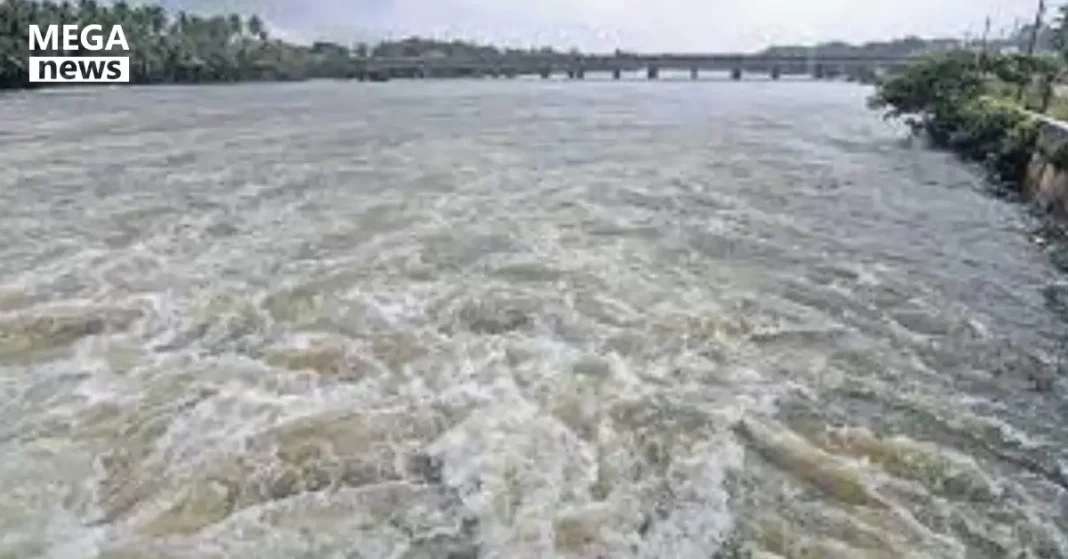
As Punjab reels under relentless rains and rising river levels, flood alerts have become a part of daily life. But when officials warn of a “medium”, “high”, “very high” or “exceptionally high” flood, what do these terms actually mean for ordinary people? Behind these technical phrases lies a straightforward story about water, river capacity, and the fragile limits of Pakistan’s flood infrastructure.
Flood intensity is measured in cusecs — short for “cubic feet per second.” One cusec equals the flow of one cubic foot of water every second, or around 28 litres. That means 100,000 cusecs equals nearly 283,000 litres of water rushing past in just one second. To put this in perspective, the Ravi River at Jassar recently swelled to 229,000 cusecs — far beyond what it could safely carry.
But flood levels are not defined by one figure alone. The intensity depends on the size of the river and its safe capacity. Smaller rivers like the Ravi and Sutlej can cross into critical flood territory at 200,000 cusecs. Larger rivers like the Chenab or the Indus, with their wider channels and stronger embankments, can sustain far more. At Head Marala, the Chenab surged to over 750,000 cusecs this week, triggering a “very high flood” alert. By contrast, the Indus at Chashma carried 284,000 cusecs without breaching flood levels, thanks to its immense design capacity.
To help communities understand the danger, officials classify floods into categories:
- Medium flood: Water remains within the river’s limits but begins to strain embankments and pose risks to low-lying areas.
- High flood: Water significantly exceeds normal levels, threatening banks, farmland, and villages.
- Very high flood: Engineers may have to breach canals or embankments to save barrages and protect major infrastructure.
- Exceptionally high flood: The most dangerous stage, when flows surpass the river’s design capacity, threatening dams, barrages, and vast populations downstream.
Much of the battle against floods depends on the strength of headworks and barrages. These massive structures regulate river flow, divert water into canals, and ensure irrigation supplies. But each has a design limit. Once inflows exceed those limits, engineers open every gate to reduce pressure. If even that fails, authorities may cut embankments deliberately — sacrificing farmland or even villages to save barrages and cities from destruction.
As authorities continue to monitor Punjab’s swelling rivers, understanding these flood categories is vital. For millions living along the banks of the Sutlej, Ravi, Chenab, and Indus, the difference between “medium” and “exceptionally high” can mean the difference between inconvenience and catastrophe.