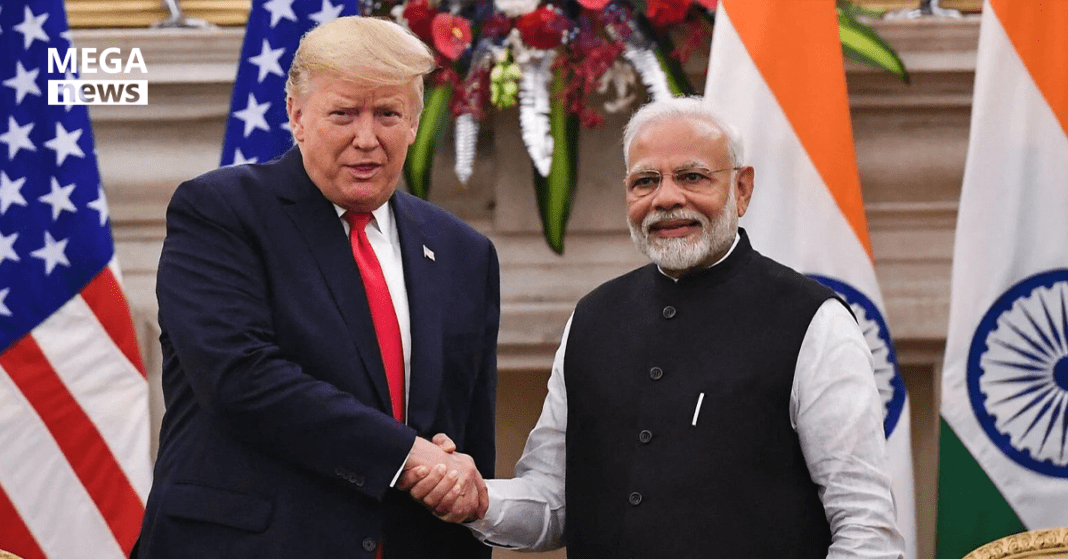
The recent announcement that the US and India Trade Pact After Vietnam Deal underscores the rapid evolution of global trade negotiations ahead of a critical July 9 tariff deadline. Following a last-minute agreement with Vietnam—lowering U.S. tariffs to 20% and guaranteeing duty-free access for American cars—Washington has shifted strategy to secure similar deals with other major trading partners to avoid further escalation of reciprocal tariffs.
Where Talks Stand
India’s trade delegation remains in Washington, pursuing a deal that would prevent U.S. reciprocal tariffs from spiking to 26%, currently paused at 10% . Treasury Secretary Scott Bessent confirmed negotiators are “very close” to an interim agreement focused on easing duties for U.S. exports into India, including autos, medical devices, and energy products. These sectors, along with walnuts, cranberries, and similar goods, could help underpin a mutually beneficial pact .
Indian officials, however, remain firm on protecting key domestic sectors. Agriculture and dairy are considered red lines, with New Delhi unwilling to compromise on genetically modified corn, rice, wheat, or soybeans . Commerce ministry sources emphasize that conceding to U.S. demands in these areas would undermine politically influential farming constituencies.
Why It Matters
Securing a deal with India would follow the template set by Vietnam, demonstrating a strategic pivot by the Trump administration toward bilateral “reciprocal” trade deals. These aim to replace broad punitive tariffs with more targeted agreements.
Markets have responded positively to this momentum. The Indian rupee has strengthened, and equities have rallied amid growing optimism that a deal will reduce economic uncertainty before U.S. Treasury data due later this week .
Nonetheless, reaching a deal by July 9 depends on resolving sensitive issues around tariffs on agricultural goods and GM crops. As negotiators work through these sticking points, a successful conclusion could lay the groundwork for a broader economic partnership aimed at doubling bilateral trade to $500 billion by 2030.
If finalized, the US and India trade pact after Vietnam deal would reflect Washington’s strategy to selectively dilute threatened tariffs with strategic compromises—bringing both countries closer economically, strategically, and politically.
YOU CAN ALSO READ: Trump Threatens Japan with Tariffs Up to 35% Ahead of July 9 Deadline