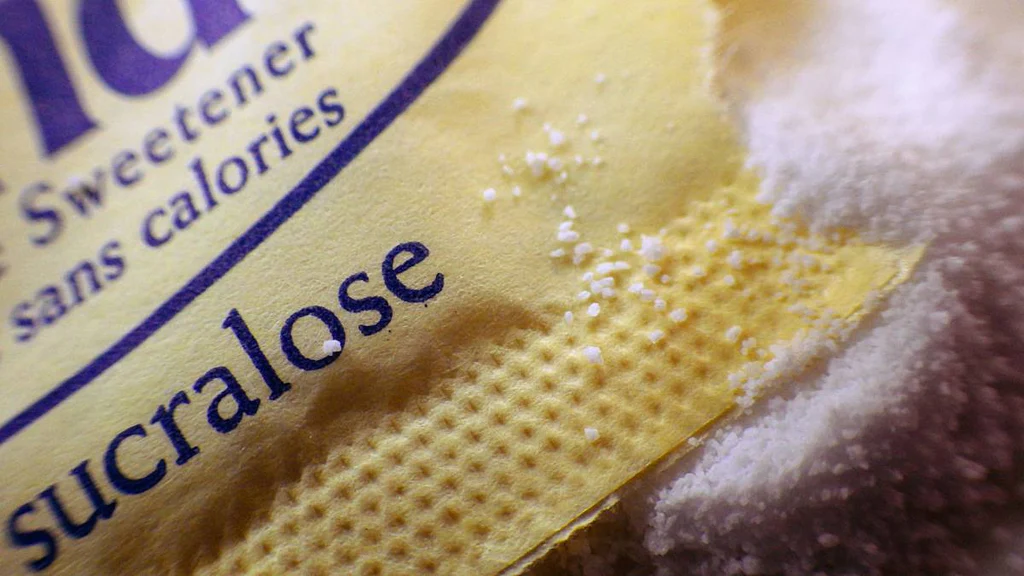
Sucralose, a popular artificial sweetener found in a wide range of food and beverages, has long been regarded as a safe alternative to sugar. However, recent scientific studies have raised concerns about its potential adverse effects on human health. Of particular concern is the damage sucralose may inflict on DNA and its potential link to a condition known as leaky gut. This article explores the emerging research surrounding sucralose, shedding light on its potential risks and implications for human health.
Understanding Sucralose
Sucralose, marketed under the brand name Splenda, is a non-caloric artificial sweetener commonly used as a sugar substitute in various products. It is approximately 600 times sweeter than table sugar and is often favored for its low-calorie content and lack of impact on blood sugar levels. The U.S. Food and Drug Administration (FDA) has approved the use of sucralose, deeming it safe for human consumption. However, recent studies have cast doubt on its long-term safety.
Sucralose and DNA Damage
Research conducted in recent years has indicated that sucralose may have genotoxic effects, meaning it has the potential to damage DNA. A study published in the journal Mutation Research in 2018 revealed that sucralose induced DNA damage in the cells of mice. The study suggested that long-term exposure to sucralose might lead to genetic instability and increase the risk of mutations, which could have far-reaching implications for human health.
Leaky Gut and Sucralose
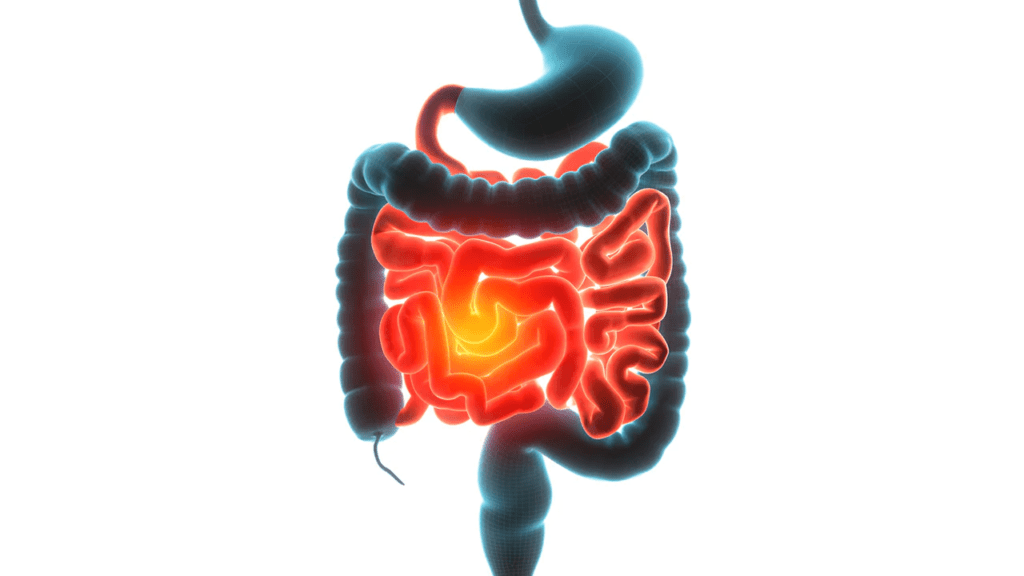
Leaky gut syndrome, or increased intestinal permeability, is a condition characterized by the weakening of the intestinal barrier. This allows toxins, bacteria, and undigested food particles to leak into the bloodstream, triggering inflammation and potentially contributing to various health issues. While leaky gut has been associated with factors such as diet and stress, emerging evidence suggests that sucralose may also play a role.
A study published in the journal Molecules in 2023 explored the effects of sucralose on gut health in rats. The findings indicated that sucralose consumption led to changes in gut microbiota and increased intestinal permeability, suggesting a potential link between sucralose and leaky gut syndrome. However, further research is needed to fully understand the mechanisms behind this association and to determine its significance in humans.
Implications for Human Health
The potential adverse effects of sucralose on DNA and gut health have significant implications for human health. DNA damage is a recognized risk factor for various diseases, including cancer. If sucralose indeed increases the risk of DNA damage, it raises concerns about the long-term safety of this widely consumed artificial sweetener.
Moreover, leaky gut syndrome has been linked to a range of health issues, including autoimmune diseases, allergies, and chronic inflammation. If sucralose contributes to increased intestinal permeability, it could potentially exacerbate these conditions or lead to the development of new ones.
Read more: Miracle in Abbottabad: Woman Gives Birth to Septuplets
While sucralose has been deemed safe by regulatory authorities, emerging scientific research suggests that caution may be warranted. The potential DNA damage caused by sucralose and its potential link to leaky gut syndrome highlight the need for further investigation. As consumers, it is essential to stay informed about the potential risks associated with artificial sweeteners like sucralose and make informed choices about their consumption. Ultimately, additional research and a comprehensive understanding of sucralose’s impact on human health will help shape regulatory guidelines and promote the well-being of individuals worldwide.