
Residents of the United Arab Emirates (UAE) are opting for alternative holiday destinations in Southeast Asia, such as Malaysia, Thailand, Singapore, and Indonesia, due to delays in obtaining Schengen visas for travel to Europe. The upcoming Eid Al Adha holiday in late June has prompted UAE residents to explore options outside of Europe. Additionally, high airfares and airport disruptions in the United Kingdom and Europe are further discouraging travelers. This article examines the impact of Schengen visa delays on UAE travelers and highlights the emerging trends in travel preferences.
Shifting Travel Preferences to Southeast Asia:
Online travel agencies and industry experts confirm that UAE residents are increasingly favoring countries in the East and the Indian Ocean over European destinations. The Asia-Pacific (APAC) region, including Japan, China, Vietnam, Thailand, Malaysia, and Taiwan, has witnessed a surge in popularity for Q2 and Q3 travel. Even destinations like Sri Lanka and Albania are gaining attention. Among European destinations, Albania stands out as the only trending location in the top ten best destinations.
Challenges Posed by Schengen Visa Delays:
The mounting delays in obtaining Schengen visa appointments are driving UAE travelers away from European destinations. Luxury travel expert Ghassan Al-Khatib points out that promises to resolve the visa delay issue from embassies only divert travelers’ attention to other options. Al-Khatib highlights the importance of already having a visa for Europe to be able to travel during this season. Applying for Schengen visas at least six months in advance seems to be the only option to prevent lengthy waiting times.
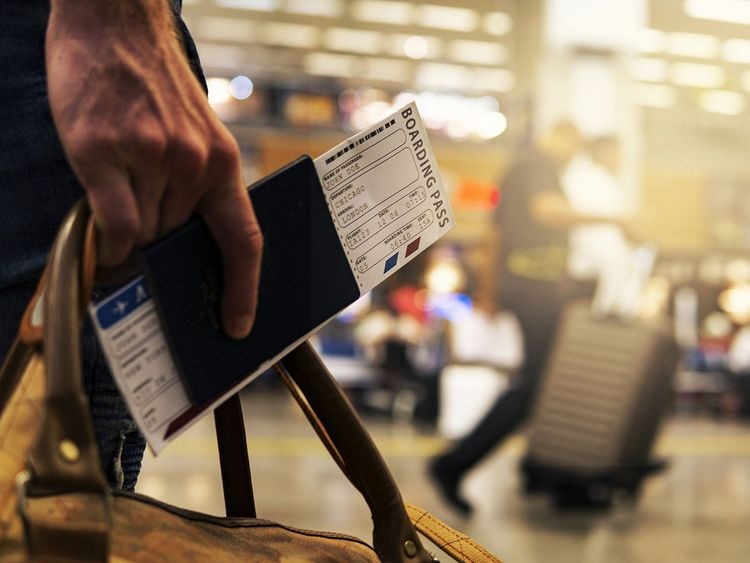
Mitigating the Impact of Appointment System Delays:
The EU delegation in the UAE acknowledges the concerns surrounding visa delays and encourages Schengen visa applicants to apply up to six months before their intended travel dates. By doing so, individuals can plan their trips well ahead of time and mitigate the impact of appointment system delays. This proactive approach helps travelers navigate the bureaucratic process and ensures a smoother travel experience. However, it is important for European countries to address these delays and streamline the visa application process to remain attractive to UAE travelers.
Rising Costs and Airport Disruptions:
Apart from visa delays, other factors also contribute to the decreasing appeal of European destinations. High airfares to Europe put a strain on travelers’ budgets, making Southeast Asian countries more cost-effective options. Furthermore, strikes and disruptions at airports in the United Kingdom and Europe are causing inconvenience and uncertainty for travelers. Such disruptions can lead to flight cancellations or delays, further dissuading UAE residents from choosing European destinations for their holidays.

The Growing Allure of Southeast Asia:
Southeast Asia offers a wealth of attractions, ranging from cultural experiences to stunning natural landscapes. Malaysia, Thailand, Singapore, and Indonesia have become popular choices due to their diverse offerings and accessibility. These countries cater to various travel preferences, whether it be exploring bustling cities, relaxing on picturesque beaches, or immersing oneself in rich cultural heritage. Additionally, the affordability and ease of travel within the region make it an attractive alternative for UAE travelers.
Read more: France welcomes 12.3% more tourists in 2023
Schengen visa delays have significantly impacted the travel plans of UAE residents, leading them to explore alternative holiday destinations in Southeast Asia. The rising popularity of countries in the Asia-Pacific region and the Indian Ocean is evidence of this shift in travel preferences. The European Union and its member countries must address the concerns surrounding visa delays to remain competitive in attracting UAE travelers. By streamlining the visa application process and ensuring timely appointments, Europe can regain its appeal among UAE residents. However, until these issues are resolved, Southeast Asian countries will continue to enjoy the influx of UAE travelers seeking memorable experiences in their diverse and enchanting destinations.