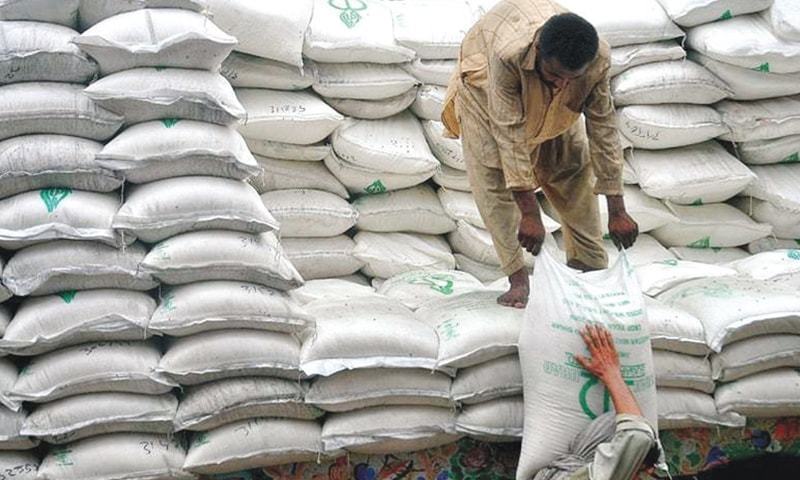
The prices of wheat and flour in Lahore have once again experienced a significant surge, fueled by a recent increase in the price of wheat and a subsequent rise in the cost of a 20 kg bag of flour. This article explores the factors behind this upward trend and the implications for the local economy and consumers.
Increase in Wheat Price
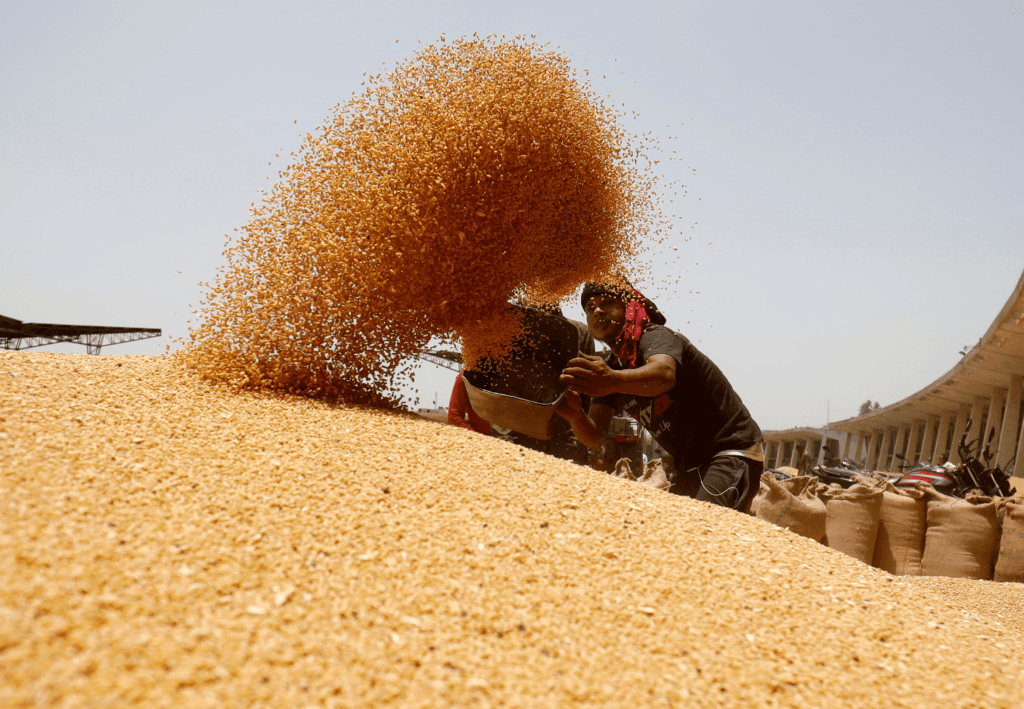
The recent hike in wheat prices has contributed to the soaring cost of flour in Lahore. The price of wheat reached Rs 4,500 per maund after a substantial increase of Rs 400. This sudden surge in the price of the primary ingredient has had a direct impact on the affordability of flour for consumers.
Rise in Flour Prices
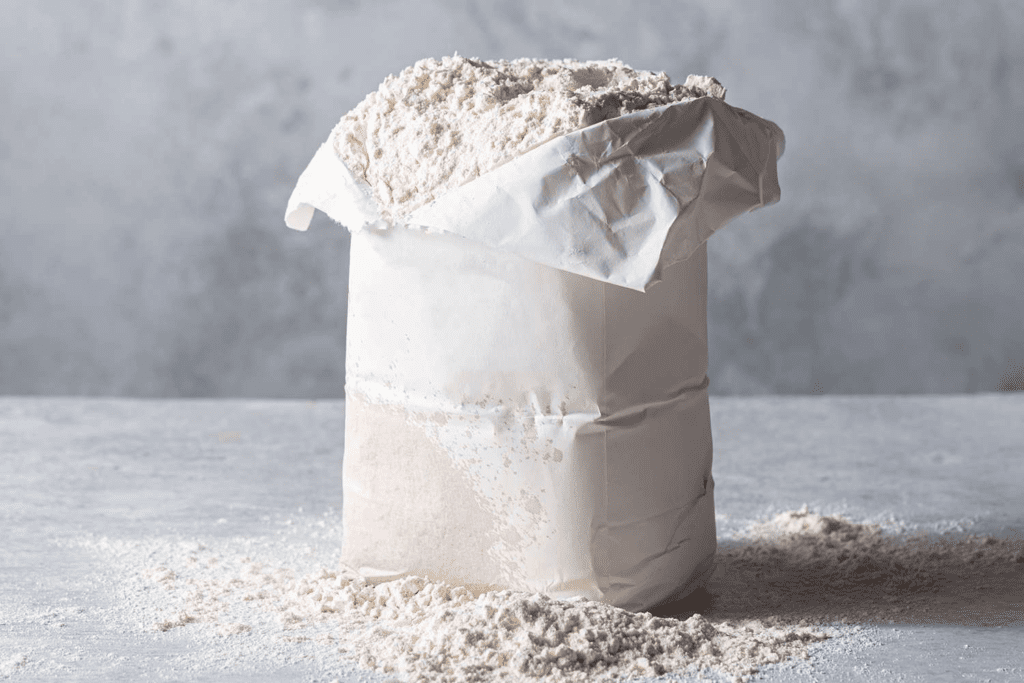
As a consequence of the increase in wheat prices, the cost of a 20 kg bag of flour has risen by Rs 234 in Lahore. Currently, it is being sold for Rs 2,650, surpassing the official price of Rs 2,466 set by authorities. This upward trajectory in flour prices places a burden on consumers, particularly those from lower-income backgrounds.
Restriction on Wheat Movement
The Flour Mills Association Chairman has attributed the escalating flour prices to an illegal restriction on the free movement of wheat. Vehicles carrying wheat are reportedly being apprehended throughout the day, causing disruptions in the supply chain. This restriction hampers the smooth flow of wheat from farms to flour mills, leading to a shortage and subsequently driving prices higher.
Impact on Consumers
The surge in wheat and flour prices directly affects consumers in Lahore. With the cost of basic food staples increasing, households face challenges in meeting their daily nutritional needs. The rising prices particularly burden vulnerable populations, exacerbating the issue of food insecurity. It becomes crucial for the government to address this situation promptly to mitigate its impact on the general public.
Economic Implications
The escalation in wheat and flour prices has broader economic implications. As the cost of production for wheat-based products rises, it puts a strain on the profitability of bakeries and food manufacturers. Small businesses in the food industry may face difficulties in maintaining competitive pricing, potentially leading to job losses and a slowdown in economic growth.
Government Intervention
To address the issue of soaring wheat and flour prices, the government needs to take immediate action. This includes examining the restrictions on the movement of wheat and devising strategies to ensure a smooth supply chain. Additionally, measures such as providing subsidies or price controls may help alleviate the burden on consumers, especially those from marginalized communities.
Supporting Local Agriculture
Promoting and supporting local agriculture can contribute to stabilizing wheat and flour prices in the long term. Investing in modern farming techniques, providing access to credit, and improving infrastructure for farmers can enhance productivity and reduce reliance on imports. A sustainable and self-sufficient agricultural sector would provide stability to the market and minimize the impact of external factors on prices.
Read more: NEPRA Announces reduction of 5 Paisa per Unit for K-Electric Users
The surge in wheat and flour prices in Lahore demands immediate attention from authorities. Addressing the restrictions on wheat movement, implementing price control mechanisms, and supporting local agriculture are crucial steps to stabilize prices and alleviate the burden on consumers. As the cost of basic food staples continues to rise, it is essential to prioritize the well-being and food security of the population, especially those who are most vulnerable to the effects of these price hikes.