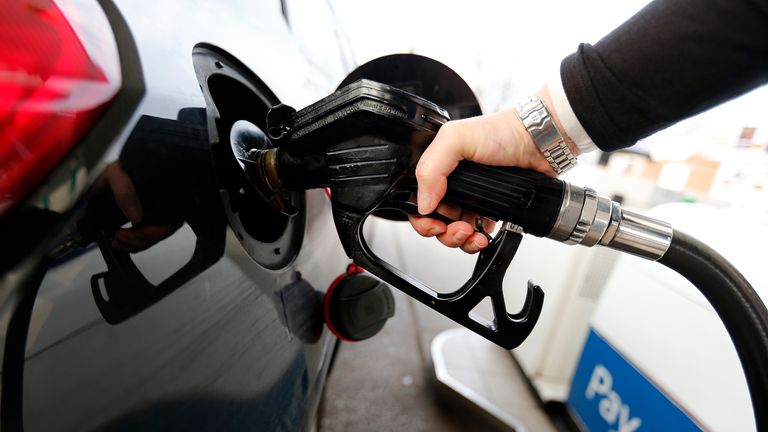
The government’s decision to increase the petroleum tax to Rs. 60 per liter without obtaining parliamentary approval has raised concerns among citizens and industry stakeholders. This move has significant implications for the economy, consumers, and the overall cost of living. In this article, we will examine the reasons behind this decision, its potential impact, and the debate surrounding the lack of parliamentary oversight.
The Rationale Behind the Decision
The government has justified the increase in petroleum tax as a necessary step to generate additional revenue for funding infrastructure projects, social welfare programs, and reducing the fiscal deficit. They argue that the current tax rates are insufficient to meet the growing demands of the country and that an increase in taxes is essential for sustainable economic development.
Implications for the Economy
The increase in petroleum tax is expected to have far-reaching consequences for the economy. One immediate impact will be the rise in transportation costs, as fuel prices directly affect the prices of goods and services. This, in turn, may lead to an overall increase in the cost of living, affecting consumers’ purchasing power and potentially leading to inflationary pressures.
Moreover, the tax hike could have an adverse effect on businesses, particularly those that heavily rely on fuel, such as transportation companies and manufacturers. Higher fuel prices can squeeze profit margins and make it more challenging for businesses to remain competitive, potentially leading to layoffs and a slowdown in economic growth.
Concerns Regarding Parliamentary Approval
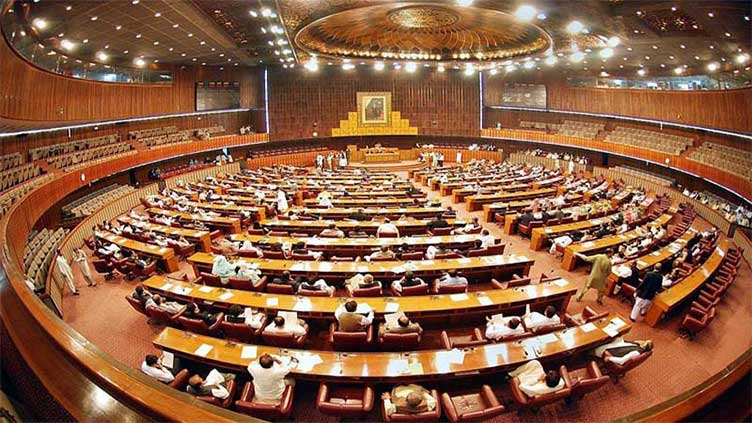
One of the main points of contention surrounding this decision is the lack of parliamentary approval. Critics argue that bypassing parliamentary oversight undermines democratic principles and erodes checks and balances. They claim that such decisions should be debated in Parliament, allowing elected representatives to voice concerns, propose alternatives, and ensure transparency in the decision-making process.
The government’s argument for bypassing parliamentary approval rests on the grounds of expediency. They assert that urgent fiscal measures are required to address the pressing needs of the country and that obtaining parliamentary consensus might result in delays that could hinder progress. However, skeptics argue that this approach undermines democratic principles and sets a concerning precedent for future decisions.
Potential Alternatives and Mitigation Measures
To address the concerns raised by the decision, several alternative solutions and mitigation measures could be explored. First, the government could engage in open dialogue with industry stakeholders, economists, and members of parliament to find a balanced approach that considers the needs of the economy and the welfare of the citizens.
Additionally, measures such as targeted subsidies for low-income households, tax rebates for affected industries, and investment in renewable energy sources could help alleviate the burden on consumers and businesses while promoting a transition towards a more sustainable and greener economy.
Read more: Pakistan switches from dollar to Chinese Yuan for purchasing Russian oil
The government’s decision to increase the petroleum tax to Rs. 60 per liter without obtaining parliamentary approval has sparked debate and concern among citizens and industry stakeholders. While the government cites the need for additional revenue to fund development projects and address the fiscal deficit, critics argue that bypassing parliamentary oversight undermines democratic principles.
The implications of this decision are far-reaching, affecting the economy, consumers, and businesses alike. It is crucial for the government to engage in open dialogue, consider alternative solutions, and implement mitigation measures to ensure that the burden is shared equitably and that the long-term development goals of the country are achieved while safeguarding democratic principles.