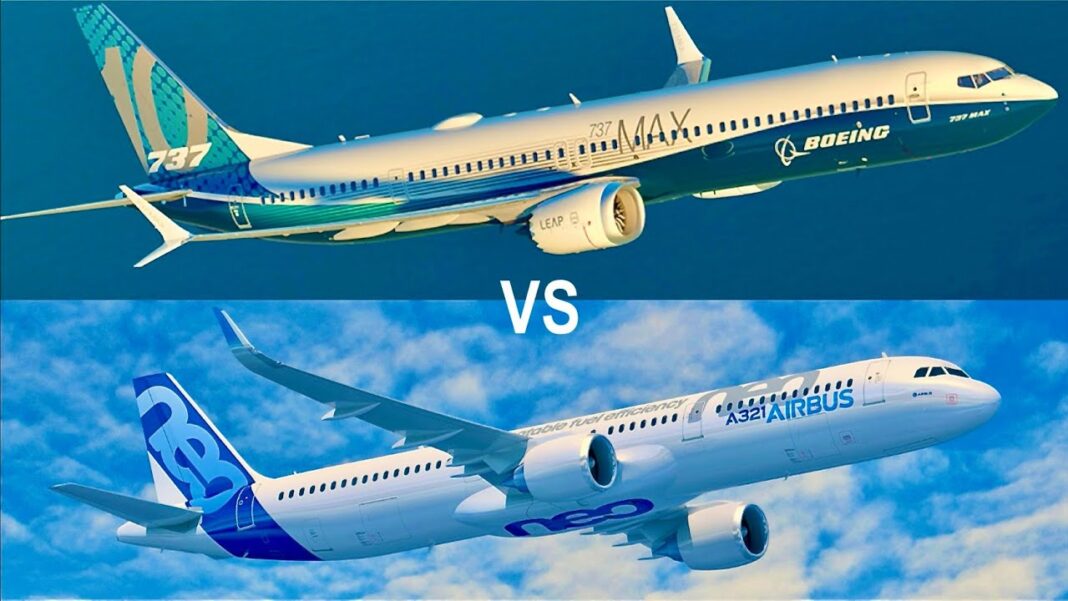
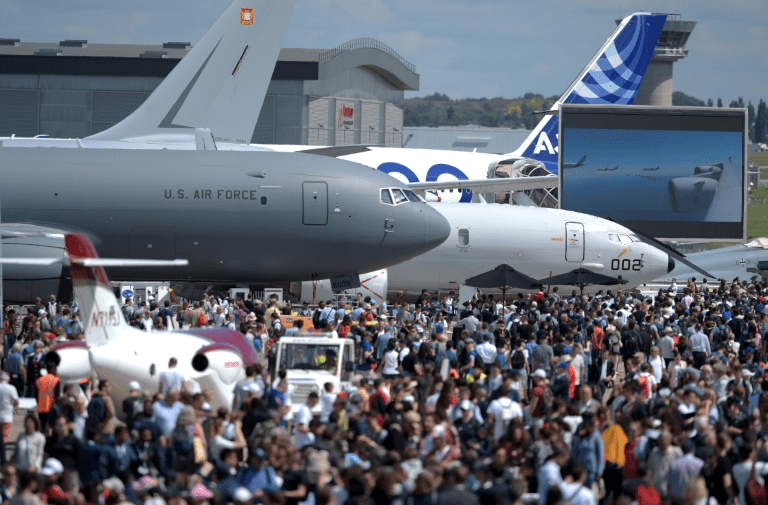
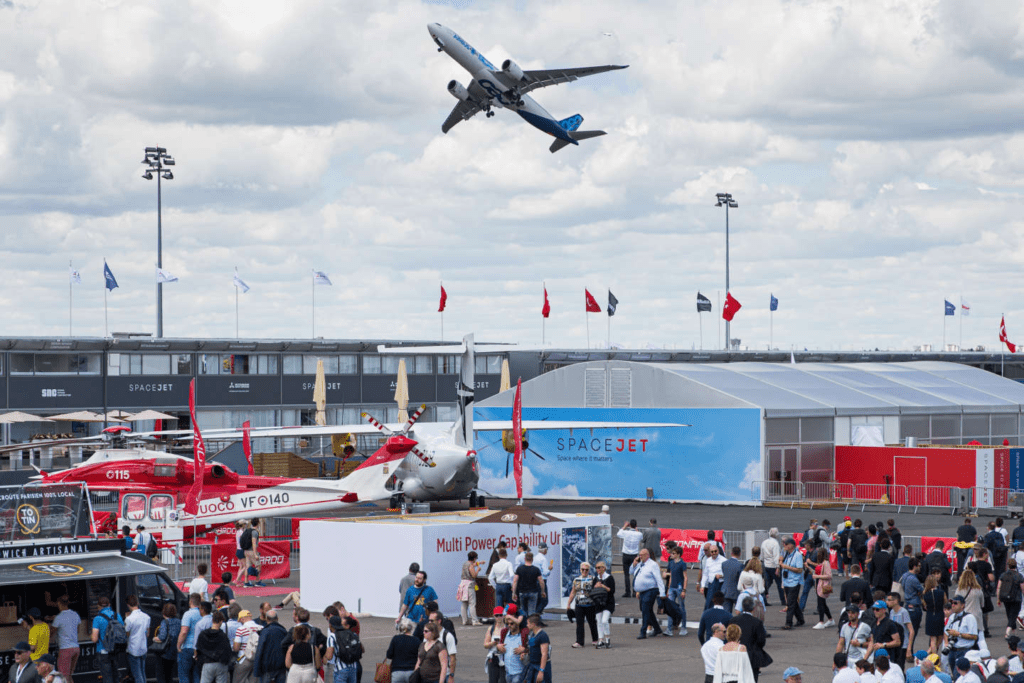
The Paris Air Show, one of the aviation industry’s most significant events, is making a comeback after a four-year hiatus. The air show, known for showcasing new technology, commercial and military aircraft, and facilitating business deals, is taking place amidst a surge in air travel demand. However, the Covid-19 pandemic has had a profound impact on the aviation industry, leading to a decrease in travel demand, workforce reductions, and disruptions in aircraft production. As airlines strive to meet the growing demand for air travel, both Boeing and Airbus, along with their suppliers, face the challenge of increasing production to keep up with orders.
Pressure on the order books
The current surge in air travel demand has created pressure on the order books of aircraft manufacturers. The demand for jets has led to an upward momentum on used aircraft lease rates, forcing airlines to make compromises. Andy Cronin, CEO of aircraft-leasing firm Avolon, acknowledges the impact of this pressure on the industry.
Expected orders and potential buyers
Aviation analytics firm IBA estimates that approximately 2,100 planes could be ordered during the Paris Air Show as airlines seek to replace older aircraft and prepare for future growth in air travel. Boeing has already received significant orders or preliminary agreements from customers such as United Airlines, Saudia, Riyadh Air, and Air India. Turkish Airlines is also planning a substantial order of around 600 aircraft, while other airlines like Delta Air Lines, Malaysia Airlines, Air France-KLM, and Air Baltic are potential buyers. The timing of these orders, however, remains uncertain.
The challenge of increasing production
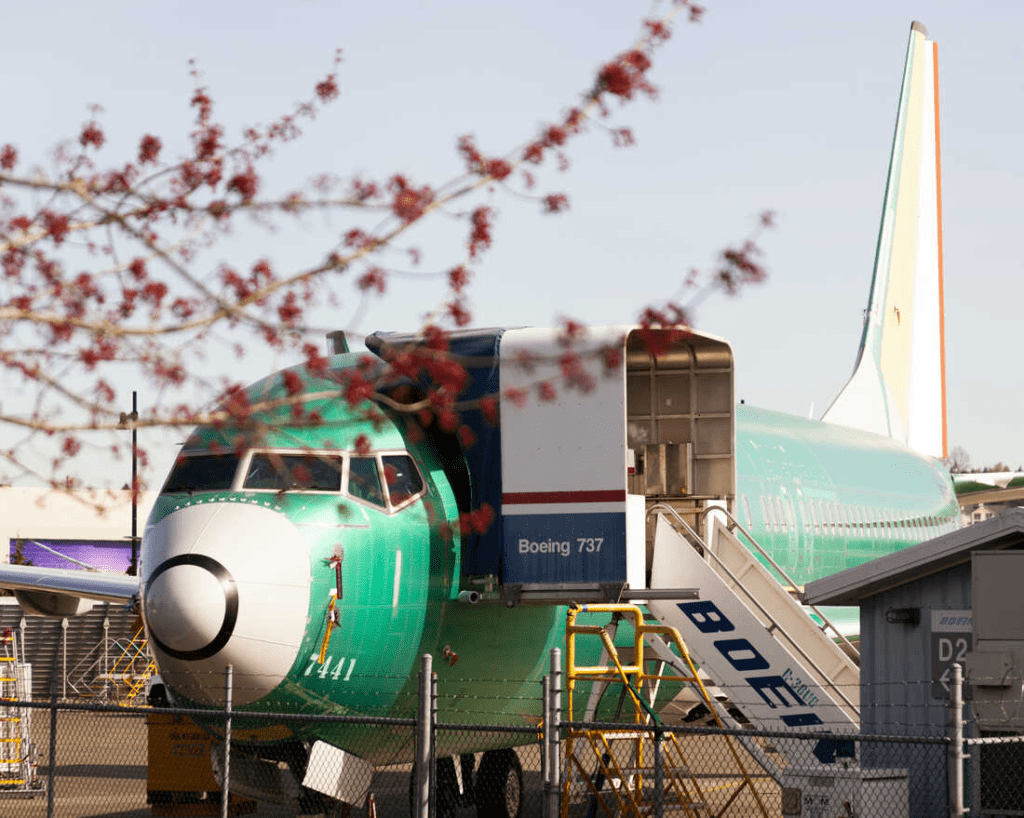
One of the major challenges faced by aircraft manufacturers is increasing production. Slots for narrow-body jets like the Boeing 737s and Airbus A320s have already been sold out for years. With the return of long-haul travel, airlines may also seek to expand their fleets of larger, long-range jets. However, the global supply chain disruptions caused by the pandemic have resulted in delays in the delivery of new planes. Boeing, Airbus, and their suppliers are working tirelessly to ramp up production to meet the surging demand. Alan Joyce, CEO of Qantas, expects the supply chain issues to persist until 2025.
Production delays and leasing rates
The production delays have not only affected the availability of new planes but have also impacted leasing rates for both new and older aircraft. As airlines search for alternative ways to increase their flight capacity, leasing rates for new Boeing 737 Max 8 planes have risen from $305,000 to $350,000 per month since January 2020. Similarly, new Airbus 320s are now leased at $355,000, up from $325,000 during the same period. Older plane models are approaching pre-pandemic leasing rates.
Meeting the demand for jets
Amidst these challenges and rising demand, the aviation industry is striving to fulfill the desires of customers who simply want their jets. Richard Aboulafia, managing director of AeroDynamic Advisory, succinctly captures the sentiment of airlines and passengers alike. The Paris Air Show serves as a crucial platform for manufacturers, suppliers, and airlines to come together, showcase innovations, and explore partnerships that will help satisfy the demand for jets.
Read more: Gold Price in Pakistan Keeps Rising for Second Consecutive Day
In conclusion, the Paris Air Show’s return comes at a time when the aviation industry is witnessing a resurgence in air travel demand. Both Boeing and Airbus, along with their suppliers, are racing to increase production rates to meet the growing orders. While challenges such as supply chain disruptions and production delays persist, the industry remains committed to fulfilling the desire for new jets. The air show provides an opportune moment for key players in the aviation industry to collaborate and navigate the changing landscape as they work towards meeting the needs of airlines and passengers worldwide.