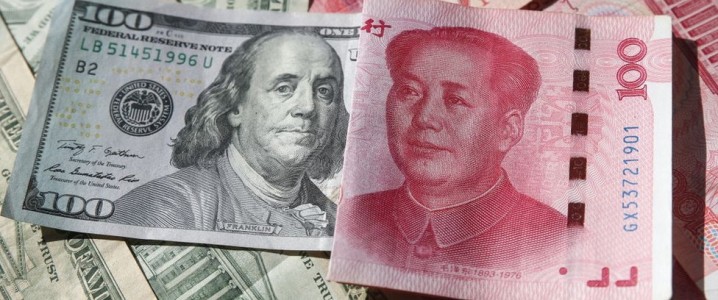
In a significant geopolitical move, Pakistan has made a strategic shift by ditching the dollar and opting to purchase Russian oil in Chinese Yuan. This decision holds far-reaching implications for Pakistan’s economy, its bilateral relations with Russia and China, and the global financial landscape. By moving away from the dollar-centric international monetary system, Pakistan aims to strengthen its economic ties with its allies while diversifying its currency reserves.
The Motivation behind Pakistan’s Decision
Pakistan’s decision to abandon the dollar and embrace the Chinese yuan for purchasing Russian oil stems from several factors. First and foremost, it is a reflection of the growing economic and political alliance between Pakistan, Russia, and China. Strengthening bilateral relations with these countries is crucial for Pakistan’s long-term economic and strategic interests.
Reducing Dependency on the Dollar
Pakistan’s move to purchase Russian oil in Chinese yuan aligns with its efforts to reduce its dependency on the US dollar. Historically, the dollar has been the dominant global reserve currency, giving the United States significant influence over international trade and finance. However, this dependency has exposed Pakistan to vulnerabilities, particularly given the unpredictable nature of US foreign policy and the potential for economic sanctions.
Strengthening Ties with Russia
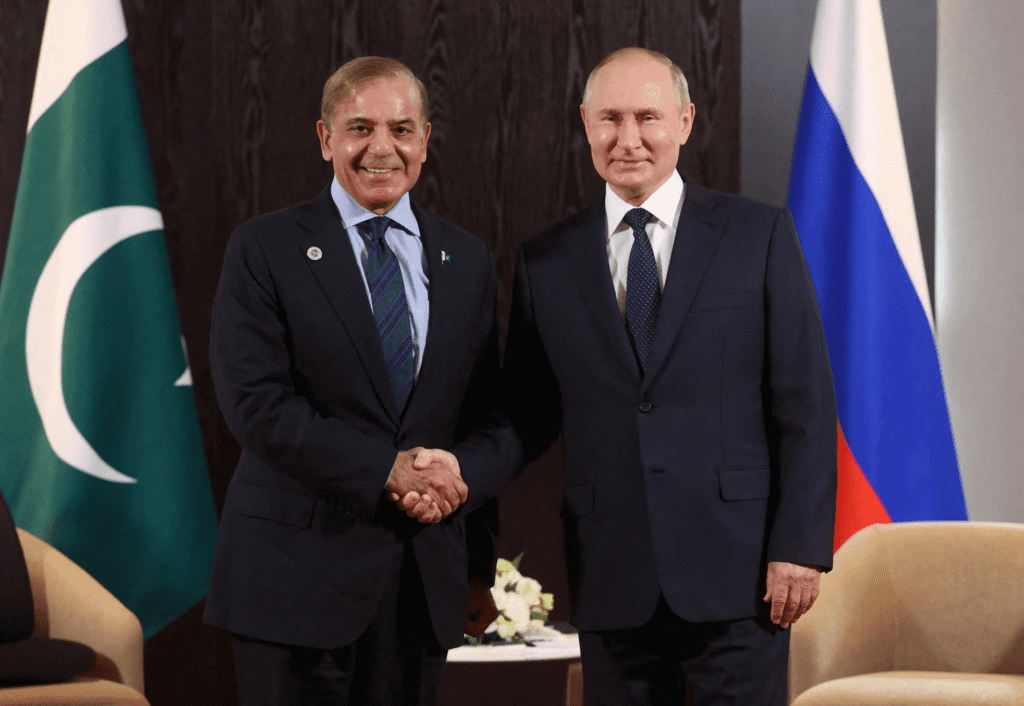
By opting to purchase oil from Russia, Pakistan deepens its economic cooperation with a key regional power. Russia is a major global oil producer and an emerging player in the Asian energy market. Expanding energy ties with Russia not only ensures a stable and diversified oil supply for Pakistan but also opens avenues for further cooperation in other sectors.
Expanding Collaboration with China
The decision to use the Chinese yuan for oil transactions reinforces Pakistan’s already close economic partnership with China. China has been a significant investor in Pakistan’s infrastructure development through the China-Pakistan Economic Corridor (CPEC). By conducting oil purchases in yuan, Pakistan can enhance the utilization of its currency swap agreements with China, promoting bilateral trade and financial cooperation.
Impact on the Global Financial Landscape
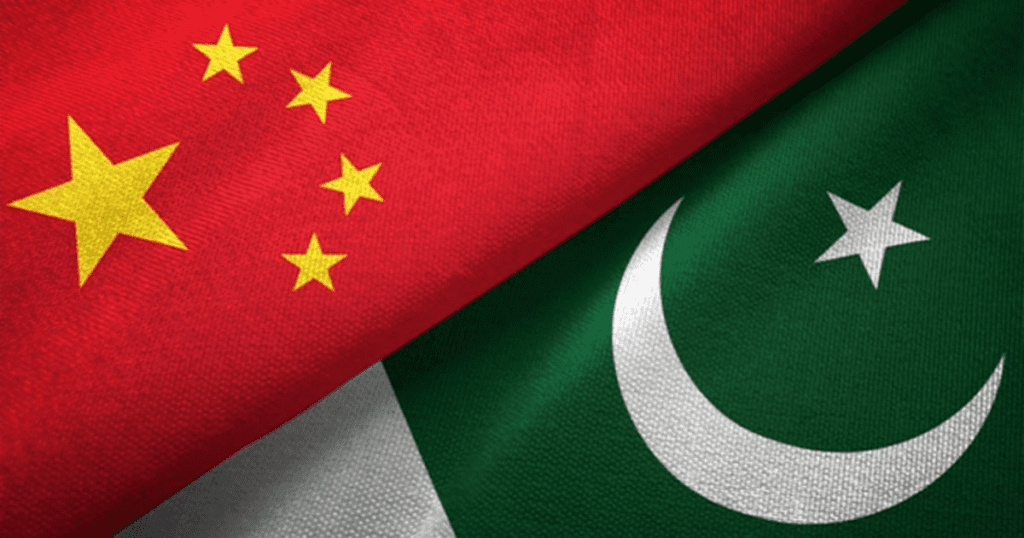
Pakistan’s shift away from the dollar and towards the yuan for oil purchases could have broader implications for the global financial landscape. As more countries seek alternatives to the dollar, the hegemony of the US currency could be challenged. This move may encourage other nations to diversify their currency reserves and explore non-dollar-denominated transactions, potentially leading to a multipolar international monetary system.
Potential Challenges and Benefits
While Pakistan’s decision holds promise, it also presents certain challenges. Shifting away from the dollar may initially pose logistical hurdles, requiring adjustments in international trade and financial infrastructure. Additionally, the volatility of the yuan compared to the dollar could introduce exchange rate risks for Pakistan. However, the benefits of diversifying currency reserves, reducing dependency on the dollar, and strengthening economic ties with Russia and China outweigh these challenges.
Read more: Suzuki Shuts Down Motorcycle Factory for Second Time
Pakistan’s decision to ditch the dollar and purchase Russian oil in Chinese yuan is a bold move that reflects the changing dynamics of the global economic order. By strengthening ties with Russia and China, Pakistan aims to enhance its economic resilience and reduce vulnerability to external shocks. While the transition may present some challenges, the long-term benefits of diversifying currency reserves and reducing dependency on the dollar outweigh the potential risks. The move also signals a broader shift in the international monetary system, with countries seeking alternatives to the dollar, potentially leading to a more multipolar financial landscape in the future.