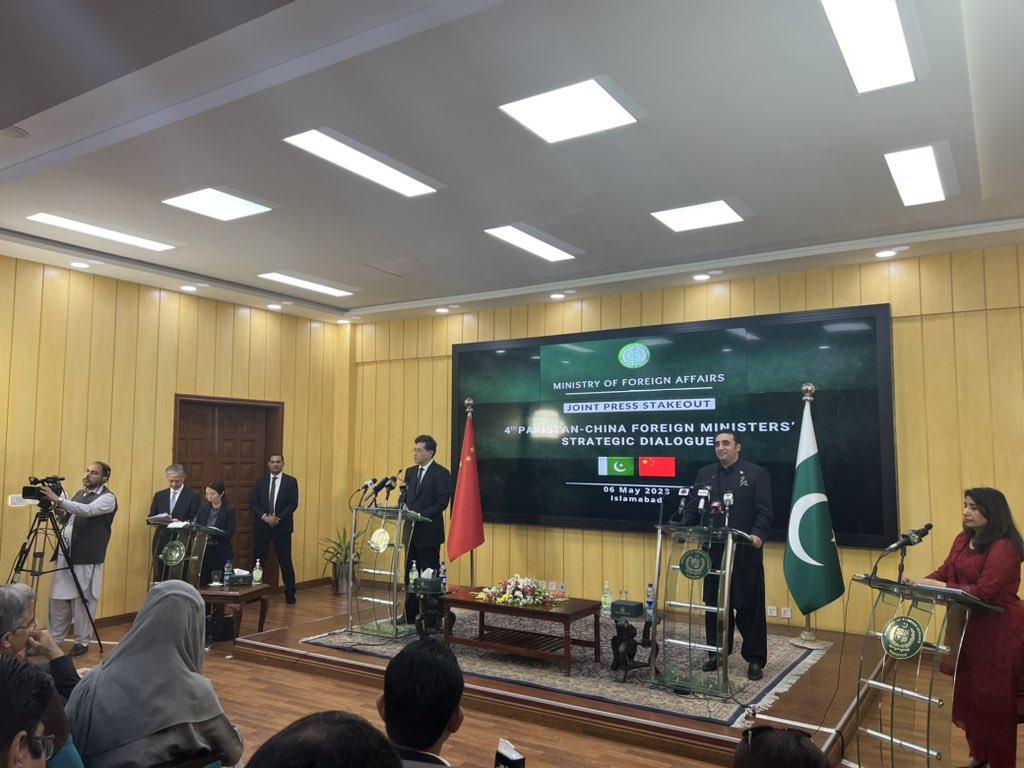
ISLAMBAD, PAKISTAN: The visiting Chinese foreign minister warned the nation that was hosting to put behind political disagreements in order to open the door for economic growth while expressing concern about Pakistan’s rising instability.
For the fourth Pakistan-China Foreign Ministers’ Strategic Dialogue, which was conducted in Islamabad on Saturday, China’s foreign minister, Qin Gang, was in Pakistan. Qin made his first trip to the nation after being appointed as Beijing’s top ambassador.
After the strategic discussions held behind closed doors, Qin and Bilawal Bhutto Zardari spoke at a news conference. In order to concentrate on boosting the economy, Qin stated, “We sincerely hope the political forces in Pakistan can establish consensus, uphold stability, and more skillfully address domestic and international challenges.”
To read more: Imran Khan announces to hold rallies daily until May 14
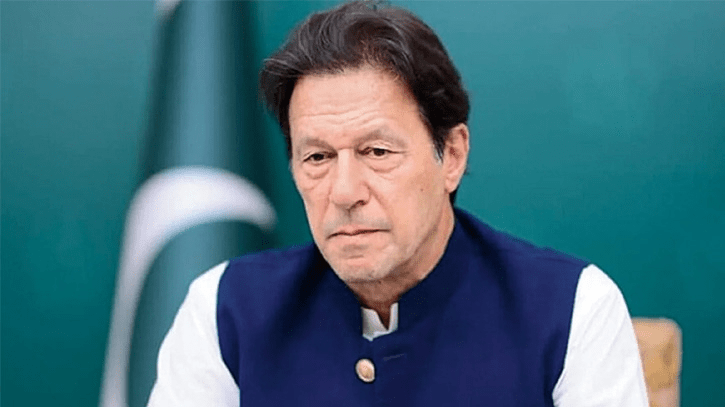
Since former Prime minister Imran Khan was dismissed from office in a parliamentary vote of no-confidence one year ago, Pakistan has been experiencing major political instability. Lack of agreement on the election schedule between Khan’s party and the 13-party government coalition led by Prime Minister Shahbaz Sharif has thrown the nation into a political and constitutional crisis.
The nation is also plagued by a terrible financial crisis. China has offered assistance by renewing loans and depositing cash there to increase Pakistan’s dangerously low foreign exchange reserves, helping Pakistan to restart a stagnant rescue arrangement with the International Monetary Fund and avoid default.
Qin stated that his country will “continue to do our best to support Pakistan’s foreign exchange and financial stability.”
Maleeha Lodhi, a former representative of Pakistan to the U.K., U.S., and U.N., told that her nation would have defaulted if China hadn’t intervened.
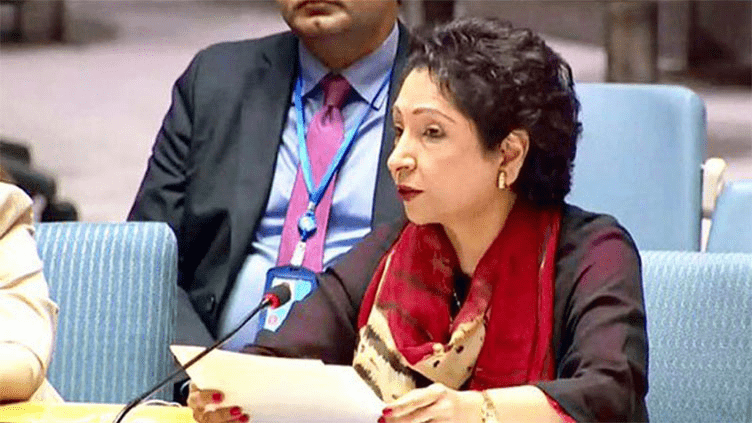
China’s determination to roll over even commercial loans to Pakistan has been what has kept Pakistan’s finances stable. Maleeha Lodhi further claimed that Pakistan’s ability to at least preserve its [foreign exchange] reserves has been made possible thanks to China’s backing.
However, Pakistan owns Beijing one-third of its foreign debt, making Beijing the country’s single largest lender. Since the start of the China-Pakistan Economic Corridor ten years ago, that debt has increased dramatically. The multi-billion dollar infrastructure and development project, also known as CPEC, is a component of China’s Belt and Road Initiative.
To read more: Pakistan, China vow to strengthen strategic partnership amidst talks in Islamabad
According to policy analyst and former counsel to the Pakistani government Mosharraf Zaidi, Beijing is instructing Pakistan to manage its affairs better by not offering large-scale debt forgiveness to Pakistan.
The Chinese foreign minieter will keep saying we won’t let you fail completely, but we won’t support incompetence and bad governance, which is really what Pakistan has done over the last 15 months in especially,”
The notion that Pakistan is a victim of “debt-trap diplomacy” and the claim that China targets developing nations with unsustainable loans in order to further its geostrategic objectives were both denied by both foreign ministers.
The fears about ‘debt sustainability’ and ‘debt trap’ that are spread have absolutely no foundation. According to Bilawal Bhutto Zardari, “Chinese investment and financial support… is consistent with the traditions of our special, long-standing alliance.