Mercedes-Benz has announced that U.S. drivers will soon have the option to use ChatGPT, an advanced chatbot developed by OpenAI, to control certain features in their luxury vehicles. The test program, set to begin today, will run for three months and involve around 900,000 vehicles equipped with Mercedes’ “MBUX” systems. By opting in through a Mercedes app or using voice commands, drivers can download ChatGPT over the air and experience its capabilities firsthand. The test aims to understand how drivers interact with the technology and explore the potential benefits of integrating ChatGPT into the car’s system.
Enhancing Natural Language Interactions
Mercedes believes that ChatGPT will improve the user experience by making the car system’s responses sound more natural. With the integration of ChatGPT, drivers will be able to ask for destination information, address queries, and even seek recommendations for meals. This move builds upon Mercedes’ previous efforts to enable voice commands for various functions, such as activating seat heaters.
Microsoft’s Role in the Partnership
The partnership between Mercedes and OpenAI’s ChatGPT spells business for Microsoft, as the tech giant is providing the cloud infrastructure to support the advanced chatbot’s functionality. While Amazon.com has been actively working on integrating its voice assistant, Alexa, into cars, Microsoft’s investment in ChatGPT offers a competitive response. Through ongoing integrations known as plug-ins, Microsoft envisions a future where drivers can perform tasks like making restaurant reservations and booking movie tickets from behind the wheel.
The Potential of Voice-Enabled AI in Cars
Mercedes’ test program aims to gather insights on the usage patterns and preferences of drivers interacting with ChatGPT. The findings will inform the automaker’s plans to expand the availability of voice-enabled artificial intelligence (AI) to other countries and languages. As voice data is stored, anonymized, and analyzed in the Mercedes cloud, the company prioritizes user privacy and data protection.
General Motors’ Collaboration with Microsoft
In March, General Motors (GM) also announced its collaboration with Microsoft, exploring potential applications of ChatGPT in vehicles. This collaboration highlights the increasing interest of automotive manufacturers in leveraging advanced AI technologies to enhance the in-car experience for their customers. By harnessing the power of conversational AI, automakers aim to create seamless interactions and provide drivers with enhanced convenience and functionality.
The Future of Voice Control in Cars
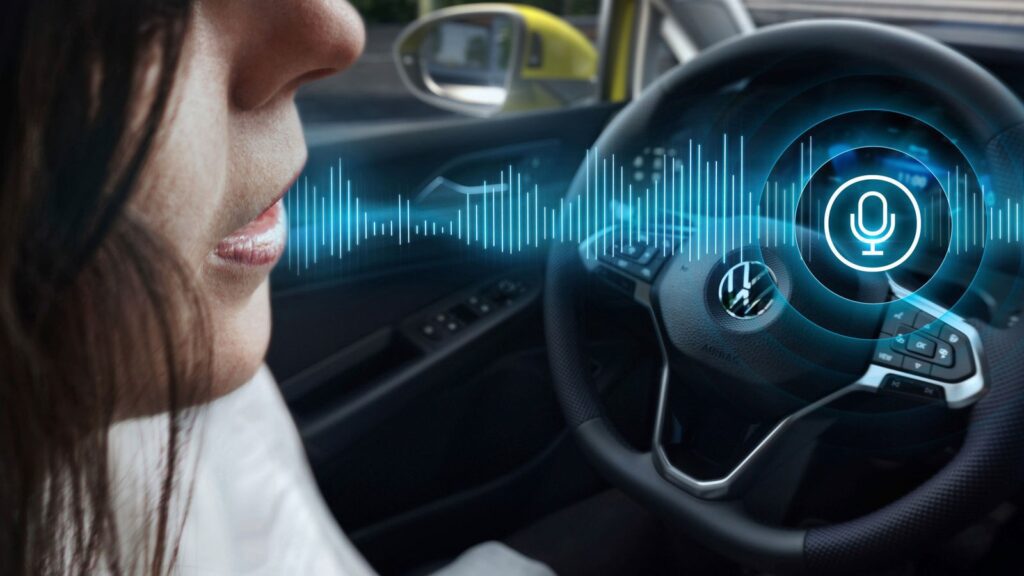
As voice assistants continue to gain popularity in homes and on mobile devices, their integration into vehicles represents a natural progression. Voice control allows drivers to interact with their vehicles in a hands-free manner, improving safety and minimizing distractions. Moreover, the potential for integrating voice assistants with other smart devices and services opens up new possibilities for drivers on the go.
While the current test program focuses on Mercedes vehicles in the United States, the success of ChatGPT integration could pave the way for wider adoption across various markets. As automakers continue to explore the potential of conversational AI, the integration of advanced chatbots like ChatGPT could become a standard feature in future vehicle models.
Read more: OpenAI introduces ChatGPT App for Smartphones
Mercedes-Benz is embarking on a three-month test program in the United States to explore the integration of ChatGPT, an advanced chatbot developed by OpenAI, into its luxury vehicles. This collaboration with Microsoft aims to enhance the natural language interactions between drivers and their cars, providing more seamless and intuitive control. The findings from the test program will inform Mercedes’ future plans for implementing voice-enabled AI in other countries and languages. With the growing interest of automakers in conversational AI, the integration of advanced chatbots like ChatGPT could soon become a common feature, revolutionizing the in-car experience for drivers around the world.