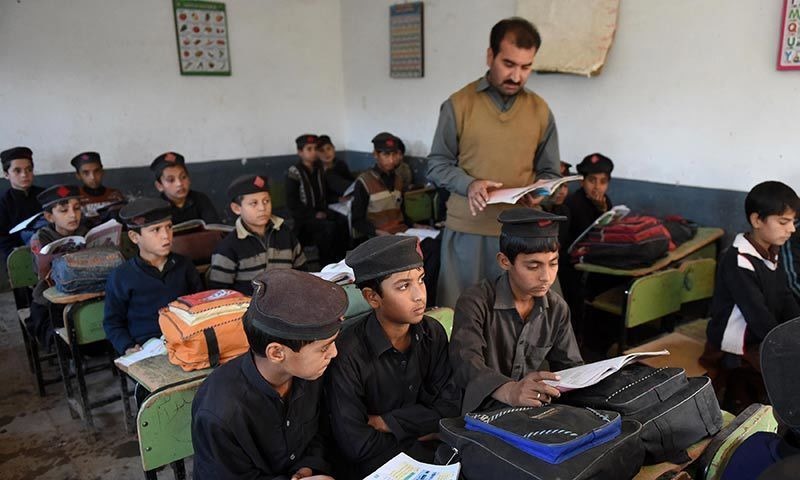
The education sector in Khyber Pakhtunkhwa (KP), Pakistan, is facing a potential crisis as the second shift of government schools is at risk of closure due to the non-payment of salaries to teachers. The afternoon classes were introduced in September 2021 to promote education and reduce the dropout rate. However, recent reports indicate that teachers have stopped teaching due to the non-disbursement of their salaries, putting the future of this initiative in jeopardy.
Importance of the Second Shift Programme
The second shift programme was launched with the aim of providing educational opportunities to children who were unable to attend schools during regular hours for various reasons. It sought to address the high dropout ratio and ensure that education was accessible to a larger number of students. The initiative has been successful in enrolling approximately 80,000 to 100,000 children in afternoon classes across KP.
Issues with Salaries and Suspension of Classes
The non-payment of salaries to teachers in the second shift programme has created significant challenges. The previous government suspended the afternoon classes in 167 primary, middle, and higher secondary schools in different districts in January 2023. Moreover, education officers were directed not to demand their salaries during that time. This decision has adversely affected the financial well-being of approximately 8,000 teachers who have gone without salaries for four months.
Impact on Students and Dropout Rates
The repercussions of the non-payment of salaries extend beyond the teachers themselves. The suspension of classes and uncertainty surrounding the programme put the education of 80,000 to 100,000 children at risk. These students, who were previously benefiting from the afternoon classes, now face an uncertain future. If the situation persists, there is a high possibility of an increase in dropout rates, reversing the progress made in reducing the number of out-of-school children in KP.
Regional Disparities and Girls’ Education
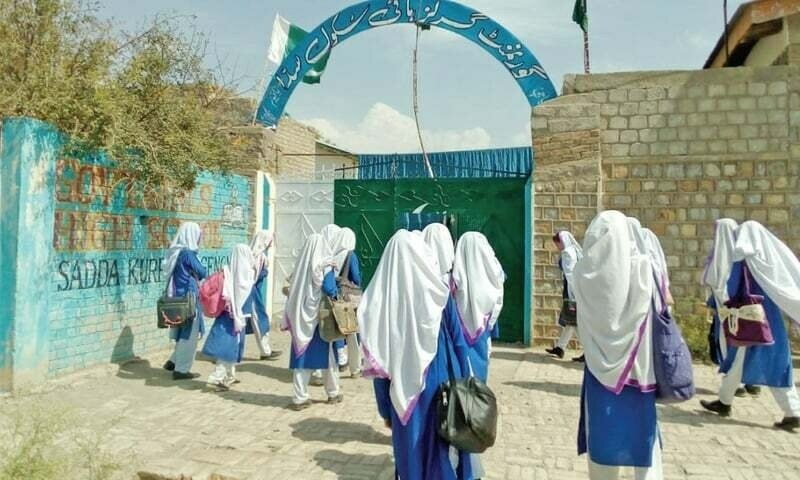
Regional disparities in education are particularly pronounced in KP, and the second shift program aimed to address this issue. According to the Education Department statistics, 3.2 million children in KP and tribal areas are out of school, with a higher dropout rate among girls. In tribal areas, approximately 97% of girls quit school at the primary level due to various reasons, including the lack of permission to attend schools in remote areas. The second shift initiative was crucial in providing educational opportunities to these marginalized communities, especially girls.
Efforts to Resolve the Salary Issue
While the non-payment of salaries has raised concerns, the current government is taking steps to address the issue. The additional education secretary assured that the required funds have been released and teachers will receive their salaries soon. An amount of Rs3.3 million has been allocated to the relevant deputy commissioners and district education officers. The authorities have pledged to investigate why the salaries had not been disbursed and take corrective measures to rectify the situation.
Read more: Sindh Minister introduces Teaching License Policy to establish new Educational Standards
The non-payment of salaries to teachers in the second shift programme of government schools in KP has put the future of the initiative at risk. This situation not only affects the financial well-being of teachers but also jeopardizes the education of thousands of children who were benefiting from the afternoon classes. It is crucial for the government to prioritize the disbursement of salaries and resolve the issue promptly to ensure the continuity of this vital educational programme. By investing in education and addressing the challenges faced by teachers, KP can make significant strides in reducing the dropout rate and providing equal educational opportunities to all children.