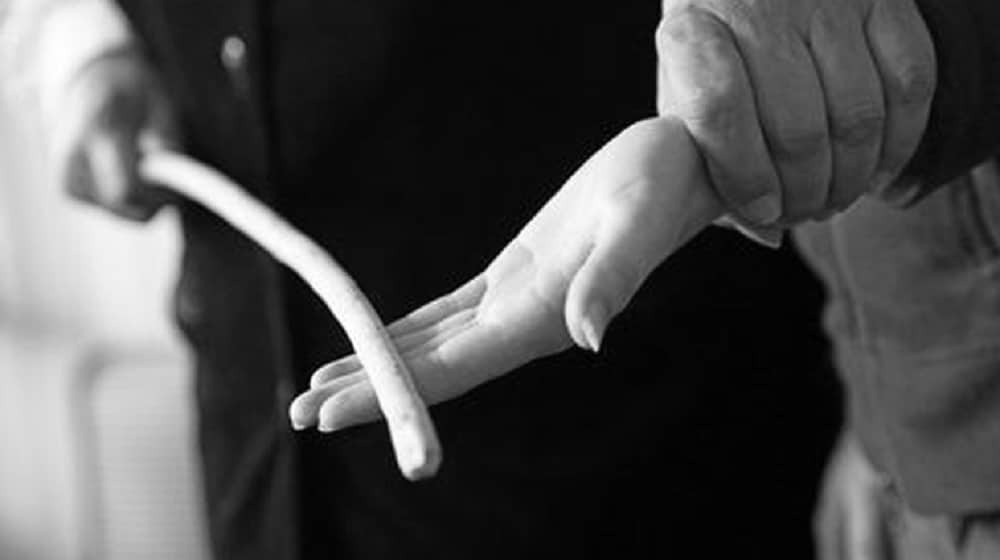
In Islamabad, a significant move towards promoting a safe and nurturing educational environment, the Ministry of Federal Education and Professional Training, in collaboration with the Ministry of Law & Justice, has officially banned physical punishment to students. The launch of the ‘Islamabad Capital Territory Prohibition of Corporal Punishment Rules, 2022’ marks a milestone in the efforts to protect children’s rights and ensure their well-being. This article explores the significance of this ban and its implications for the educational landscape in Islamabad.
Promoting Non-Violence and Child Protection
The launch ceremony, which took place at the Islamabad Model College for Girls (IMCG) in F-10/2, received strong support from the Parliamentary Caucus on Child Rights and the United Nations Children’s Fund (UNICEF) Pakistan. During the event, Rana Tanveer Hussain, Federal Education and Professional Training, emphasized the importance of these rules in safeguarding children’s rights and fostering a culture of non-violence. The ban on physical punishment demonstrates the government’s commitment to creating an educational environment where every child feels safe and cared for.
A Step in the Right Direction
Federal Minister for Law and Justice, Azam Nazeer Tarar, praised the stakeholders for their efforts in implementing the corporal punishment rules. He highlighted the fact that morals and values cannot be enforced through coercion or punishment, emphasizing that this ban is a step in the right direction. Tarar pledged full support for future child rights initiatives and related legislation, reaffirming the government’s commitment to protecting children from any form of violence.
Comprehensive Rules for Effective Implementation
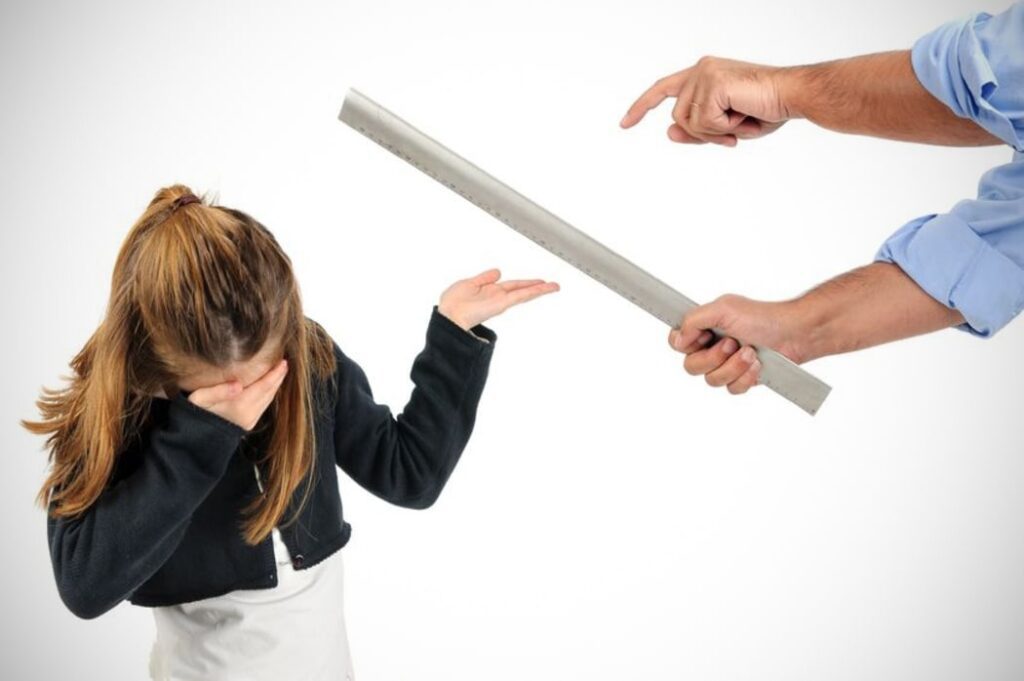
The ‘Islamabad Capital Territory Prohibition of Corporal Punishment Rules, 2022’ is a comprehensive set of rules that immediately come into effect. These rules fall under the ‘Prohibition of Corporal Punishment Act, 2021,’ signaling the government’s determination to eliminate corporal punishment and ensure the safety and well-being of children. By enacting these rules, the government and stakeholders demonstrate their dedication to providing a nurturing environment for children’s growth and development.
Transforming Children’s Lives
Mehnaz Akber Aziz, Convener of the Parliamentary Caucus on Child Rights, highlighted the transformative impact these rules will have on children’s lives. The launch event symbolizes a crucial step towards protecting children and creating safe spaces for their education. Aziz expressed her hope that the ban on physical punishment would encourage the enrollment of the currently 2.4 million out-of-school children in Islamabad. She expressed gratitude for the support and contributions of key figures in driving forward this crucial legislation, including Prime Minister Shehbaz Sharif, the Federal Minister for Education, the Federal Minister for Law, and the former Speaker of the National Assembly.
Ending the Cycle of Violence
Abdullah A. Fadil, representative of UNICEF in Pakistan, stressed the immediate and long-lasting negative effects of corporal punishment on children. He called for united action to support the ban, enabling all children in Pakistan to learn and thrive in a safe environment that respects their rights and dignity. Shehzad Roy, head of Zindagi Trust, reiterated his commitment to raising awareness about this issue nationwide. Roy emphasized the need to change the mindset of parents and teachers, breaking the cycle of violence and replacing it with positive and nurturing approaches to discipline.
Commitment to Implementation
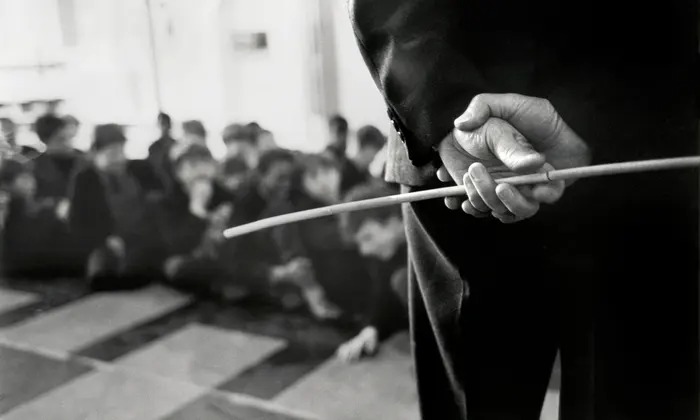
To reinforce their commitment to implementing the ban on physical punishment, a pledge-taking ceremony was held during the launch event. Heads of various education departments, public and private schools, madrasas, orphanages, and SOS villages committed to fully implementing these rules in their institutions. This collective effort aims to ensure that children are protected from any form of physical punishment and that educational environments prioritize their well-being and development.
Read more: Islamabad High court orders to release PTI leader Asad Umar
The official ban on physical punishment to students in Islamabad represents a significant stride towards protecting children’s rights and creating safe learning environments. Through the ‘Islamabad Capital Territory Prohibition of Corporal Punishment Rules, 2022,’ the government and stakeholders have taken a firm stance against corporal punishment, promoting non-violence and child protection. It is hoped that this ban will serve as a catalyst for similar measures nationwide, creating a nurturing educational landscape where children can flourish and reach their full potential.