
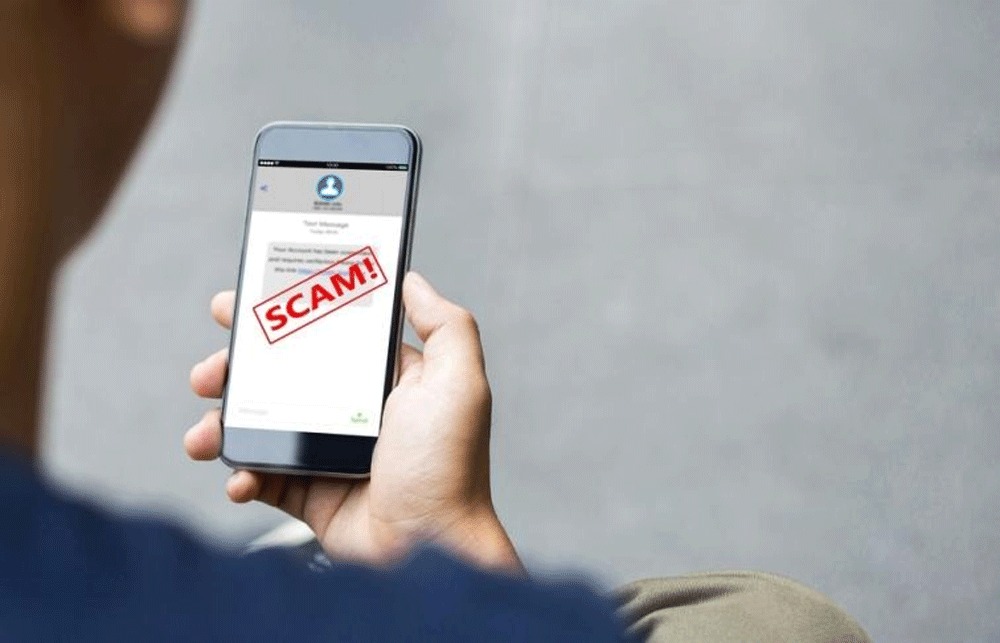
Pakistan is facing an economical crisis, leaving many lower-income individuals struggling to access bank loans. In this challenging environment, digital lending apps have emerged as a popular alternative for quick and accessible credit. However, the proliferation of these apps has given rise to scams and fraudulent activities, exacerbating the financial pain of already vulnerable Pakistanis.
Easy Access, Immediate Consequences
Unemployed software engineer Ali, who sought to pay his overdue electricity bill, turned to a digital lending app for a small, 30-day loan. The application process was simple and quick, and the money landed in his account within minutes. However, Ali’s relief was short-lived. Just seven days later, he started receiving threatening calls demanding immediate repayment or penalty charges for an extension. The stressful situation forced Ali to take another loan from a different app, but he fell victim to another unscrupulous lender, resulting in exorbitant interest rates that turned his initial loan of Rs15,000 into a staggering Rs230,000 debt.
A Growing Problem
Ali’s experience is not an isolated case. Digital rights and consumer defense groups warn that as more Pakistanis turn to mobile-based lenders, scams and fraud become increasingly common. While many of these lending apps are regulated, they have still generated hundreds of complaints filed with the country’s capital market regulator, the Securities and Exchange Commission of Pakistan (SECP), this year alone. The surge in smartphone usage in Pakistan, combined with the apps’ promise of quick, collateral-free credit for the unbanked population, has created fertile ground for exploitation.
Complaints of Data Abuse and Aggressive Tactics
The boom in personal finance apps has led to a rise in complaints regarding illegal lenders that not only abuse customers’ personal data but also employ aggressive recovery tactics, including threats and blackmail. The SECP has received 1,415 complaints against licensed digital lenders and 181 against unlicensed ones. Federal police are currently investigating apps involved in blackmailing clients. However, experts believe that many more cases go unreported due to poor digital literacy and the absence of contact details on some apps, making it nearly impossible for victims to seek redress.
The Role of Financial Inclusion and Bank Loan Constraints
The rise in smartphone usage and the popularity of lending apps can be attributed to the low rates of financial inclusion in Pakistan. A survey conducted by Karandaaz Pakistan, a nonprofit organization, found that the number of Pakistanis using personal finance apps more than doubled to 19% in 2022 compared to two years earlier. These apps offer a lifeline for individuals seeking emergency
financing. Additionally, the cumbersome process and bureaucratic hurdles associated with obtaining a bank loan have further fueled the popularity of digital lending apps. Traditional banks often require income statements and have strict criteria, making it difficult for individuals in need of smaller, short-term loans to access funds. As a result, many turn to digital lending apps for their convenience and accessibility.
Extortion and Exploitation
Another Lahore resident, a 26-year-old woman, shares her harrowing experience with a loan application she encountered while browsing social media. Although she did not apply for a loan, she unexpectedly received a deposit of Rs10,000 in her bank account a few days later. Promptly returning the money, she soon found herself inundated with persistent calls and messages from the app. The lenders not only denied receiving the repayment but also exploited the access granted to her contact lists, harassing her friends and family with threats and abuse. Eventually, she paid around Rs40,000 in extortion money to put an end to the ordeal. Despite her efforts, the calls have continued, and she has reported the app to the authorities.
Regulatory Measures and Digital Literacy
While the number of aggrieved customers borrowing from loan apps remains relatively small, the rising number of complaints has prompted the SECP to issue new guidelines for digital lenders. Non-bank financial companies (NBFCs) that provide loans through digital channels will now be required to disclose the credit amount, rates, fees, charges, and loan duration to consumers through audio or video, as well as emails and text messages in both English and Urdu. Furthermore, these lenders will be prohibited from accessing a borrower’s contact lists or photos on their mobile phones, even with the borrower’s consent.
In addition to regulatory measures, Google has also implemented restrictions on personal loan apps, requiring them to submit country-specific licensing documentation and limiting their access to user contacts and photos. These steps aim to curb the fraudulent activities and abuses associated with loan apps.
Read more: Heavy Rain and Hailstorm Claim Nine Lives in Hyderabad and Surrounding Areas of Sindh
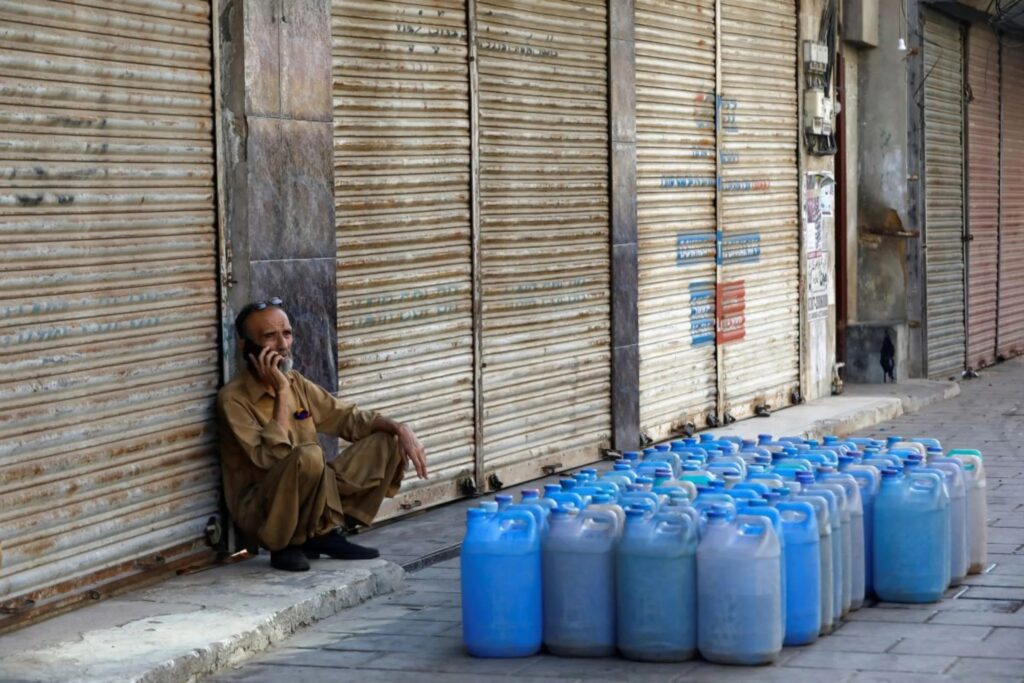
However, digital rights activists argue that even more stringent regulations are needed to ensure proper compensation and redress for victims. They stress the importance of upholding consumer rights, empowering individuals to report fraudulent apps, and establishing mechanisms for recovering lost amounts. Given that low-income segments of the population are particularly vulnerable, it is crucial to safeguard their interests and protect them from falling prey to predatory lending practices.
A Cautionary Tale
Ali, the unemployed software engineer, urges individuals facing financial difficulties not to resort to rogue lenders. While the allure of quick money may be tempting, the consequences can be dire. Borrowing from unscrupulous loan sharks can result in a cycle of debt that is difficult to escape. It is essential for individuals to explore other options, seek financial advice, and consider alternative means of support rather than falling into the trap of predatory lending.
Read more: Surgeon General Warns That Social Media Impair Youth Mental Health
In conclusion, while digital lending apps have provided a lifeline for many lower-income Pakistanis in need of quick and accessible credit, the proliferation of rogue loan apps has added to the financial pain of vulnerable individuals. The rise in complaints regarding data abuse, aggressive tactics, and extortion highlights the urgent need for stricter regulations to protect consumers. Enhancing digital literacy and empowering individuals to report fraudulent apps will be crucial in addressing the issue. Ultimately, promoting financial inclusion and ensuring fair lending practices are essential for creating a healthier and more sustainable financial landscape for the people of Pakistan.