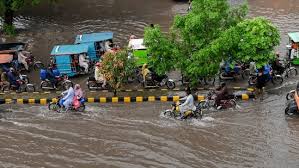
At Least 87 Killed, 149 Injured in Rain-Related Incidents in Pakistan Since June 26
KARACHI — July 10, 2025: Heavy monsoon rains continue to wreak havoc across Pakistan, with at least 87 people killed and 149 others injured in rain-related incidents since June 26, according to the latest report by the National Disaster Management Authority (NDMA).
The devastating figures highlight the severe impact of this year’s monsoon season, which has already triggered flash floods, urban flooding, and widespread damage to property and infrastructure.
Breakdown of Fatalities
The NDMA’s detailed report paints a grim picture:
- Punjab, Pakistan’s most populous province, reported 29 deaths, including 15 children.
- Khyber Pakhtunkhwa (KP) saw 30 deaths, with 14 children among the deceased.
- Sindh recorded 16 deaths, half of them children.
- Balochistan reported 11 deaths, including five children.
- Azad Jammu and Kashmir recorded one death.
Overall, of the 87 deceased, 42 were children, 29 men, and 16 women — a stark reminder of how vulnerable communities are to extreme weather events.
READ NEXT: Lahore Receives Record Rainfall of 136mm in Just Eight Hours
Widespread Damage and Relief Efforts
The relentless rains have also caused significant structural damage:
- At least 242 houses have been damaged so far.
- 71 houses were completely destroyed.
- 171 houses were partially damaged.
In response, extensive flood relief operations are underway. Authorities have distributed tents, ration bags, blankets, sandbags, quilts, gas cylinders, mattresses, kitchen sets, mosquito nets, plastic mats, hygiene kits, and food packets to affected families.
A total of 24 relief camps have been set up in Punjab and two in Sindh, providing shelter to at least 176 people. Around 245 people have been rescued through 21 operations across the country, the NDMA confirmed.
Health Contingency Measures
Amid the ongoing crisis, the World Health Organization (WHO), in collaboration with the Pakistani government, has finalized its Monsoon Contingency Plan 2025. This plan aims to ensure a coordinated emergency health response and maintain essential health services in high-risk districts:
- 10 districts in Punjab and Sindh.
- 9 districts in Balochistan.
- 4 districts in Khyber Pakhtunkhwa.
Dr. Dapeng Luo, WHO Representative in Pakistan, emphasized the urgent need for preparedness:
“WHO stands with Pakistan and partners to be ready to save lives by supporting rapid response, surveillance and the continuity of essential health services in the event of a natural disaster,” he said.
“In a context marked by the impacts of climate change, which are exacerbating risks, it is crucial to be ready to protect the health of all, particularly the most vulnerable.”
Early Warning Systems in Action
To prevent further loss of life, Pakistan has also rolled out a location-based SMS alert system to warn residents in flood-prone areas about imminent weather threats. This move is part of a broader strategy to strengthen disaster preparedness and minimize casualties during the ongoing monsoon season.
Looking Ahead
With the monsoon season still in full swing, experts warn that further rain-related incidents in Pakistan remain likely. Authorities urge citizens to stay alert, heed weather advisories, and cooperate with local rescue teams to ensure their safety.
Stay connected with us for real-time updates on the monsoon situation, rescue efforts, and official advisories.