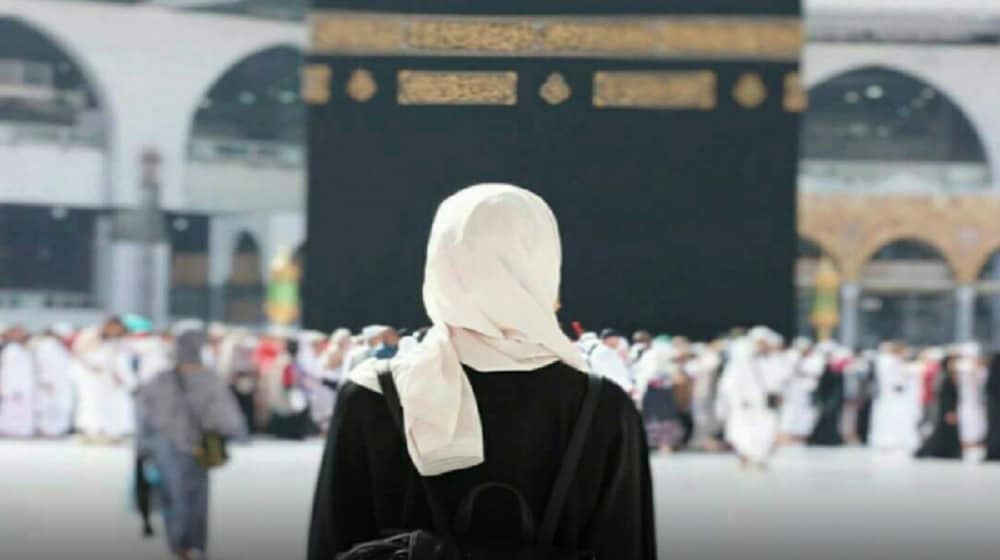
In a significant development for gender equality in religious practices, Saudi Arabia has made a groundbreaking decision allowing women to perform Hajj without the need for a mahram, or male guardian. This historic change marks a major step towards empowering women and promoting inclusivity in the holy pilgrimage. Let’s delve into the details of this new ruling and its implications for women’s rights and participation in Hajj.
Redefining Tradition
A Progressive Move The decision to allow women to undertake the Hajj without a mahram challenges long-standing traditional norms. Traditionally, a mahram, typically a male family member, was considered necessary for a woman to ensure her safety and well-being during the pilgrimage. However, this new ruling acknowledges the changing dynamics of society and recognizes women’s ability to travel and navigate independently.
Women’s Empowerment and Agency
Granting women the freedom to perform Hajj without a mahram is a powerful step towards empowering them and promoting their agency. It acknowledges that women are capable of making informed decisions about their religious obligations and removes unnecessary barriers that restrict their participation. This ruling reinforces the principle of gender equality and recognizes women’s autonomy in matters of faith.
Improved Accessibility and Inclusivity
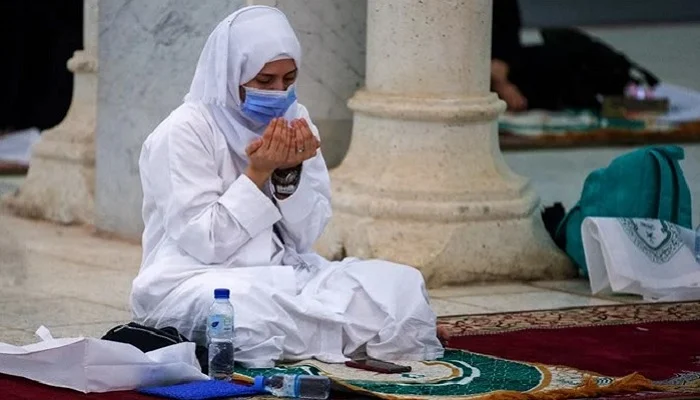
The elimination of the mahram requirement enhances accessibility for women who wish to perform Hajj but may not have a male guardian available or willing to accompany them. This change is particularly significant for single women, widows, divorced women, and converts to Islam who may not have a male relative as a mahram. It opens doors for a more inclusive Hajj experience, enabling women from diverse backgrounds to fulfill their religious duties.
Enhanced Safety Measures
While the mahram requirement was originally intended to ensure the safety and well-being of women during Hajj, the new ruling does not compromise on security. Instead, it emphasizes the implementation of robust safety measures to safeguard the rights and protect the interests of female pilgrims. Saudi Arabia has made substantial investments in recent years to enhance infrastructure, crowd management, and emergency response systems during the pilgrimage, ensuring the safety of all participants, regardless of gender.
Positive Impact on Tourism and Economy
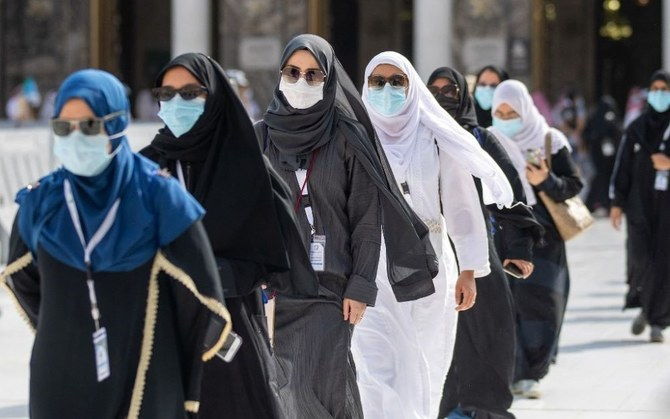
The decision to allow women to perform Hajj without a mahram also holds significant economic implications. By welcoming more female pilgrims, Saudi Arabia is likely to attract a broader range of international visitors, thereby boosting the tourism sector and contributing to the country’s economy. This move aligns with the broader goals of Saudi Arabia’s Vision 2030, which aims to diversify the economy and promote tourism as a key sector for development.
Changing Mindsets and Cultural Shifts
This progressive ruling signifies a shift in societal attitudes and reflects the evolving role of women in Saudi Arabia. It aligns with recent reforms aimed at increasing women’s participation in various domains, including education, employment, and social activities. By challenging traditional gender norms and expanding women’s rights, this decision sends a powerful message about the country’s commitment to gender equality and women’s empowerment.
Read more: Discover Amazing ‘Kids Go Free’ Deals in Dubai’s ‘Chalo Dubai’ Event
The decision to allow women to perform Hajj without a mahram is a significant step towards promoting gender equality and inclusivity in Saudi Arabia. By recognizing women’s autonomy and empowering them to undertake this important religious obligation independently, the ruling enhances accessibility, safety measures, and economic opportunities. Moreover, it contributes to changing mindsets and cultural shifts, paving the way for a more inclusive and equitable society. As Saudi Arabia continues to embark on a path of reform, this milestone decision marks a momentous leap forward in advancing women’s rights and religious freedom.