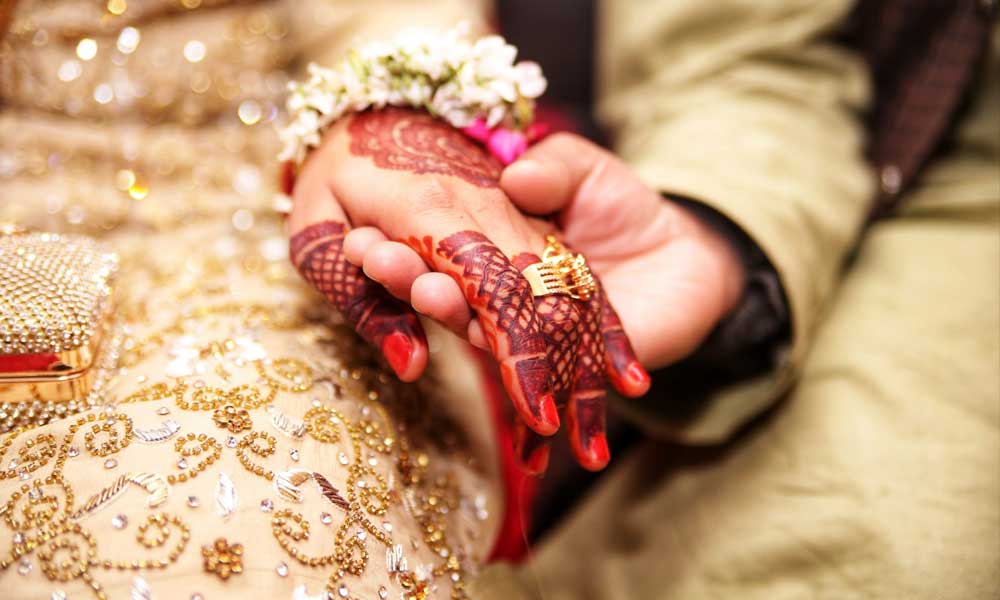
UN census report highlights massive waiting list for marriage in Pakistan
Pakistan, like many other countries in South Asia, places a strong emphasis on marriage and family life. However, a recent United Nations census report has highlighted a growing trend in the country a massive waiting list for marriage.
According to the report, there are over 22 million young men and women in Pakistan who are currently waiting to get married. This number accounts for a significant portion of the country’s population, which stands at around 220 million.
Gender imbalance and societal pressures contribute to delayed marriages
One of the major reasons behind this trend is the gender imbalance in the country. In many parts of Pakistan, particularly in rural areas, there is a preference for male children, and as a result, female children are often neglected and denied opportunities. This has resulted in a significant gender gap, with fewer women available for marriage than men.
In addition to this, societal pressures also contribute to delayed marriages. In Pakistan, there is a strong cultural expectation that individuals should marry at a young age, and those who do not are often viewed with suspicion and disapproval. However, with changing attitudes and priorities, many young people are choosing to delay marriage until they are ready.
Financial instability and economic challenges
Another significant factor contributing to delayed marriages in Pakistan is financial instability. Many young people in the country struggle to find employment and earn a stable income, which makes it difficult for them to support a family. As a result, they delay marriage until they are financially stable and able to provide for their spouse and children.
Changing attitudes and shifting priorities of Pakistani youth
Finally, changing attitudes and shifting priorities of Pakistani youth are also contributing to this trend. Many young people in the country are choosing to focus on their education and career before settling down and starting a family. They see marriage as a long-term commitment and want to make sure that they are ready for it both emotionally and financially.
Read More: UK’s renowned billionaire Alfie Best Jr converts to Islam
The trend of delayed marriages in Pakistan is a complex issue with multiple factors contributing to it. Gender imbalance, societal pressures, financial instability, and changing attitudes and priorities of Pakistani youth are all significant factors that have led to this phenomenon. It is important for policymakers and society as a whole to understand these factors and work towards creating a more inclusive and supportive environment for young people in the country.